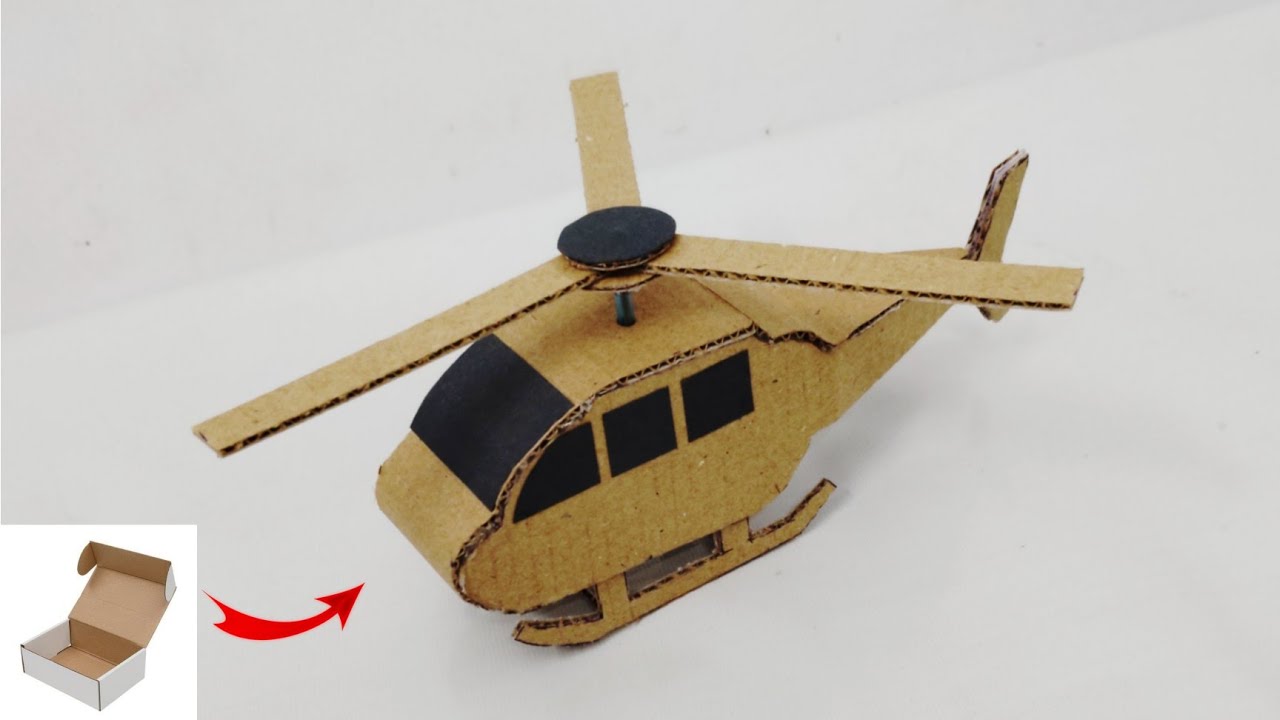
How to Make Rc Plane With Cardboard: DIY Guide 2025

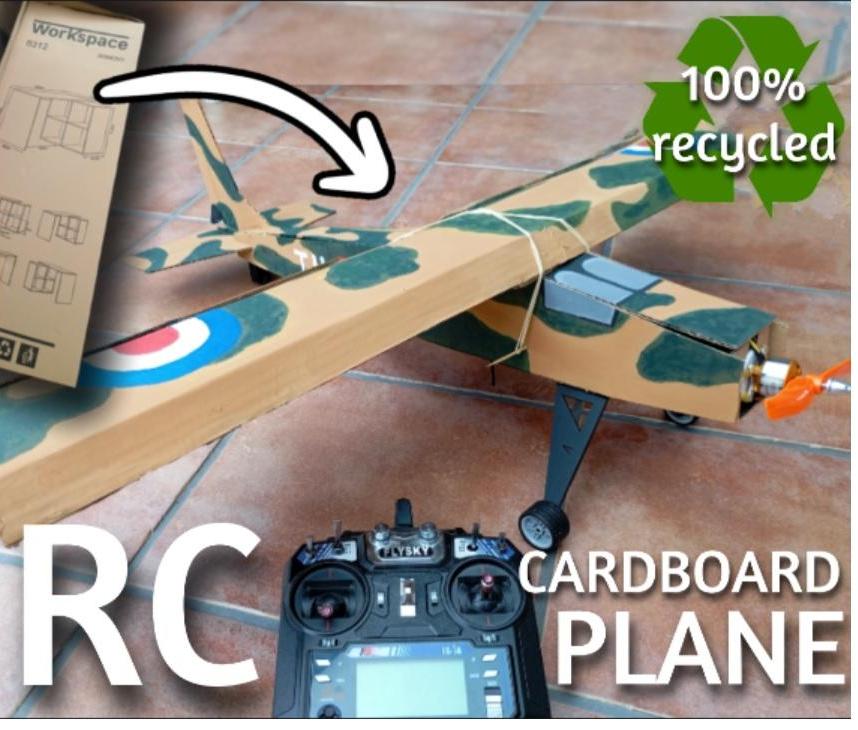
Imagine the thrill of watching your very own creation take to the skies. Building an RC plane from cardboard might sound like a daunting task, but it’s easier than you think.
You don’t need a workshop full of tools or expensive materials—just some cardboard, basic supplies, and a bit of creativity. This guide will show you how to transform simple cardboard into a flying machine. As you follow along, you’ll discover tips and tricks that make the process fun and rewarding.
Are you ready to unleash your inner engineer and experience the joy of flight? Let’s get started on crafting your cardboard RC plane masterpiece!
How to Make Rc Plane With Cardboard: DIY Guide
Creating an RC plane from cardboard is a rewarding project. It combines creativity and engineering. The materials used play a crucial role. They determine the durability and performance of the plane. This section outlines the essential materials needed for your cardboard RC plane. These items are easy to find and budget-friendly.
Cardboard
Choose sturdy cardboard. It forms the main structure. Ensure it’s lightweight. Corrugated cardboard works best. It’s strong and easy to cut. Avoid overly thick pieces. They add unnecessary weight.
Glue
Use a strong adhesive. Hot glue guns are ideal. They provide quick drying. They also ensure a firm hold. Make sure the glue is non-toxic. Safety first!
Scissors Or Craft Knife
Precision cutting is key. Use sharp scissors or a craft knife. They help achieve clean cuts. Exercise caution while using them. Always cut away from yourself.
Ruler And Pencil
Accurate measurements are vital. A ruler helps maintain symmetry. A pencil marks cutting lines. Keep an eraser handy. Mistakes happen!
Paint And Brushes
Personalize your plane. Use paint for decoration. Acrylic paints are vibrant. They’re easy to apply. Brushes help in neat application. Let your creativity flow!
Rc Components
Essential for flight. Includes motor, transmitter, and servos. Ensure compatibility with your design. Lightweight components are preferable. They enhance flight efficiency.
Battery
Powers your RC plane. Choose a compatible battery. Ensure it fits well. Rechargeable ones are cost-effective. Always check battery levels before flying.
Selecting The Right Cardboard
Building an RC plane with cardboard is a fun project. The first step is choosing the right cardboard. Good quality cardboard makes a big difference. It affects the plane’s strength and flight.
Understanding Cardboard Types
Cardboard comes in many types. Some are thick and strong, others thin and flexible. For RC planes, corrugated cardboard is best. It has a fluted layer between two flat layers. This provides strength and lightness. Avoid cardboard that’s too flimsy or too heavy.
Thickness Matters
The thickness of cardboard is crucial. Choose medium thickness for balance. Being too thick adds weight, which affects flight. Too thin might not hold up under stress. Aim for about 3mm to 5mm thickness. This offers a good mix of strength and lightness.
Surface Quality
Check the surface of the cardboard. It should be smooth, without dents or tears. A smooth surface ensures better aerodynamics. It also makes the plane look neat. Imperfections can affect both appearance and performance.
Testing For Flexibility
Flexibility is important for flight. Bend the cardboard gently. It should bend without breaking. A little flexibility helps absorb shocks during landing. But too much flexibility is not good. The plane needs to hold its shape during flight.
Recyclability And Environment
Consider using recycled cardboard. It’s eco-friendly and often just as strong. Recycled cardboard helps reduce waste. It’s a great way to enjoy your hobby responsibly. Plus, it’s usually easy to find.
Designing The Plane
Designing an RC plane with cardboard can be a fun project. It requires creativity, precision, and a basic understanding of aerodynamics. Before you start cutting and assembling, it’s crucial to design your plane. A well-thought-out design ensures your plane flies smoothly and is stable in the air.
Let’s explore the essential steps to design your cardboard RC plane.
Choosing The Right Design
Start by deciding the type of plane you want. Consider its purpose: speed, agility, or endurance. Simple designs work best for beginners. They are easier to build and fly. Research different plane models and select one that suits your skill level.
Sketching The Blueprint
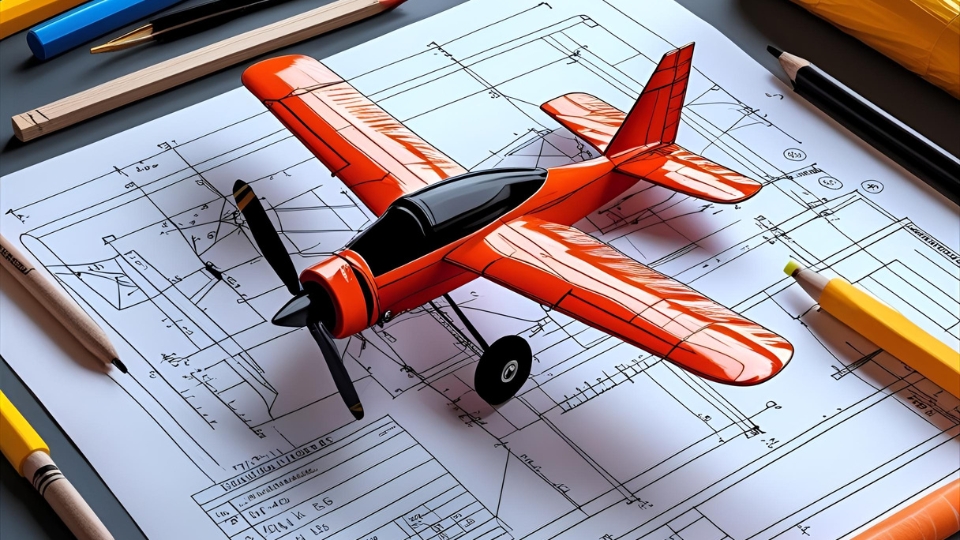
Once you choose a design, sketch a blueprint. Draw the plane’s main parts: wings, fuselage, tail, and landing gear. Use a pencil and graph paper for accuracy. Keep proportions and symmetry in mind. A balanced design ensures better flight performance.
Calculating Dimensions
After sketching, calculate the plane’s dimensions. Determine the wingspan, length, and height. These measurements affect flight characteristics. Use a ruler or measuring tape for precision. Ensure the wings are broad enough to provide lift.
Selecting Cardboard Type
Choose the right cardboard for your plane. Corrugated cardboard is strong and lightweight. It offers stability and durability. Avoid flimsy cardboard, as it may not withstand flight stress. Test different types to find the best fit for your design.
Designing The Wing Shape
The wing shape is crucial for flight. Slightly curved design wings. This helps generate lift. Consider the angle of attack for better control. Adjust the wing’s shape based on your desired flight style.
Planning The Fuselage Structure
The fuselage is the plane’s main body. Design it to house the motor and electronics. Keep it streamlined for reduced air resistance. Ensure it is sturdy enough to support the wings and tail.
Deciding On Control Surfaces
Control surfaces like ailerons, rudder, and elevators guide the plane. Decide on their size and placement in your design. These parts help steer and stabilize the plane in the air. Make them adjustable for better flight control.

Credit: www.instructables.com
Cutting And Shaping Pieces
Creating an RC plane with cardboard involves careful cutting and shaping. Start by tracing the design onto the cardboard. Then, cut out each piece accurately for a perfect fit.
Creating an RC plane from cardboard is a rewarding project that combines creativity with basic engineering. One of the most crucial steps in this journey is cutting and shaping the pieces. This is where your plane begins to take form and your dreams of flight start to become tangible. It can be a bit daunting at first, but with some patience and precision, you can craft pieces that fit together perfectly.
Have you ever wondered how to get those sleek wings or sturdy fuselage just right? Let’s break it down step by step.
Gathering The Right Tools
Before you start cutting, ensure you have the right tools. A sharp utility knife is essential for clean cuts. Scissors can also work for smaller, intricate sections.
Additionally, a ruler or a straight edge will help keep your lines straight. Don’t forget a cutting mat or a safe surface to work on. This setup prevents accidents and protects your workspace.
Drawing Your Design
Start by sketching out your design directly onto the cardboard. Use a pencil so you can erase and adjust as needed. Consider the scale of your plane and ensure the proportions are correct. Drawing your design first helps you visualize the final product and guides your cutting. This step is like creating a blueprint for your masterpiece.
Cutting The Cardboard
With your design in place, start cutting along the lines. Hold the utility knife firmly and apply steady pressure. If you’re using scissors, make sure they are sharp enough to prevent tearing.
Remember, precision is key here. Rushing through this step can lead to uneven edges and misaligned pieces.
Shaping The Wings And Body
Once cut, it’s time to shape the wings and body. Slightly bending the cardboard can give it a more aerodynamic form. Use your hands to curve the wings gently. For the body, ensure it’s sturdy enough to hold the electronics but light enough to fly. Test different shapes to see how they affect the balance and lift.
Smoothing The Edges
After shaping, smooth out any rough edges. Sandpaper can help with this. A clean edge not only looks better but also improves aerodynamics. It reduces wind resistance, allowing your plane to glide smoothly. Have you ever noticed how professional planes have that sleek finish? This step is why.
Checking Your Work
Before moving on, lay out all your pieces and check for accuracy. Ensure everything aligns and fits together as planned. This is your chance to make any necessary adjustments. Are the wings symmetrical? Is the body straight?
Taking a moment to review can save you from future frustration. By focusing on careful cutting and shaping, you’re setting the foundation for a successful RC plane build. Each piece you craft brings you closer to that thrilling moment of takeoff. Remember, precision now leads to performance later. Are you ready to see your creation soar?
Building The Fuselage
Building the fuselage is a crucial step in creating your RC plane. This part holds the plane together and houses essential components. Using cardboard makes the process simple and cost-effective. It is an excellent material for beginners.
Cutting The Cardboard
Start by drawing the fuselage shape on cardboard. Use a ruler for straight lines. Make sure to measure twice before cutting. Accuracy is key for balance and flight stability.
Assembling The Structure
Once cut, fold the cardboard into the fuselage shape. Secure the edges using strong adhesive tape. Ensure the structure is firm and holds its shape. This provides the plane with a solid foundation.
Reinforcing The Fuselage
Reinforce weak areas with extra layers of cardboard. This prevents damage during flight. Add support beams inside for added strength. Stability ensures a smooth flying experience.
Adding The Electronics
Place the electronic components inside the fuselage. Please make sure they are secure and balanced. Arrange wires neatly to avoid tangling. This keeps the plane efficient and easy to maintain.
Testing The Balance
Before final assembly, test the fuselage balance. Make adjustments as needed for perfect stability. A balanced fuselage ensures better control in the air. This step is vital for successful flights.
Attaching Wings And Tail
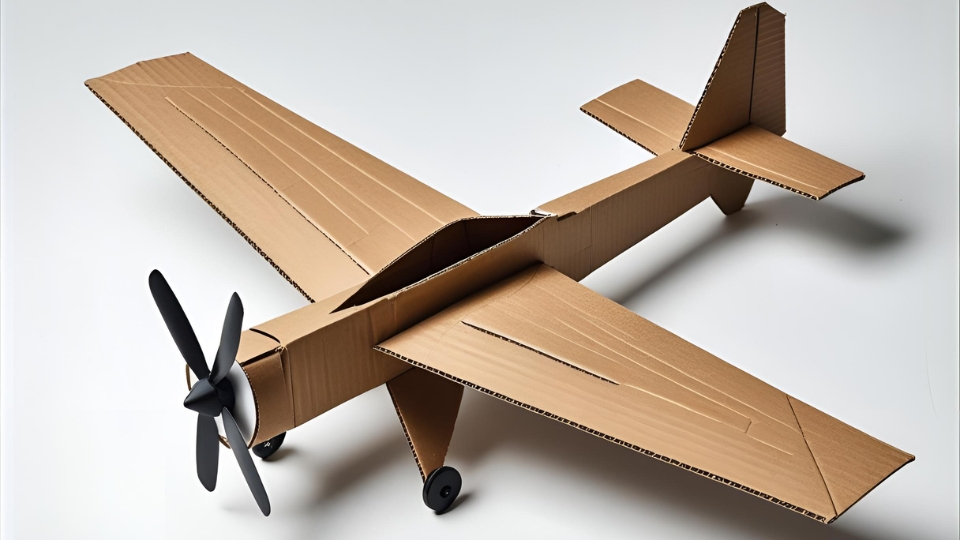
Creating wings and a tail for a cardboard RC plane involves precision and creativity. Cut out wing and tail shapes from sturdy cardboard, ensuring they are symmetrical. Securely attach them to the plane’s body using strong adhesive for stability during flight.
Attaching wings and a tail to your cardboard RC plane is a pivotal moment in its creation. This step is where your model starts to resemble an actual airplane. It’s a rewarding process that brings your design to life and sets the stage for your plane’s aerodynamics.
You might feel a mix of excitement and nervousness, but with careful attention to detail, you’ll be able to craft a reliable flying machine.
Preparing The Wing Cutouts
First, ensure your wing cutouts are precisely measured and symmetrical. This affects how well your plane will balance in the air. Use a ruler to check the dimensions and make adjustments if needed. Consider using a pencil to mark the points where you’ll attach the wings to the body.
Securing The Wings
Attaching the wings securely is crucial for stability. Use a strong adhesive like hot glue or sturdy tape. Apply it generously along the edges where the wings meet the body.
Press firmly and hold for a few moments to ensure a solid bond. A loose wing can lead to erratic flight patterns and potential crashes.
Aligning The Tail
The tail is just as important as the wings. It helps steer the plane and keeps it balanced. Align the tail with the wings for optimal performance. A misaligned tail can cause the plane to tilt or spin uncontrollably. Use a level or a straight edge to ensure perfect alignment.
Testing Stability
Once everything is attached, gently test the plane’s stability. Hold it and see if it feels balanced. If it tips to one side, adjust the weight distribution by adding small weights or changing the wing placement. A well-balanced plane improves flight performance.
Final Adjustments
Before taking to the skies, make any final adjustments. Check that all parts are secure and properly aligned. Sometimes minor tweaks can make a big difference. Could there be a slight tilt in the wings that you missed?
Small changes can enhance flight behavior dramatically. By meticulously attaching the wings and tail, you set your cardboard RC plane up for success. What challenges did you face in this process? Your experience might help others in their airplane-building journey.
Installing Electronics
Crafting an RC plane from cardboard involves simple steps. Gather materials like cardboard, motors, and batteries. Assemble the pieces, ensuring the electronics fit snugly.
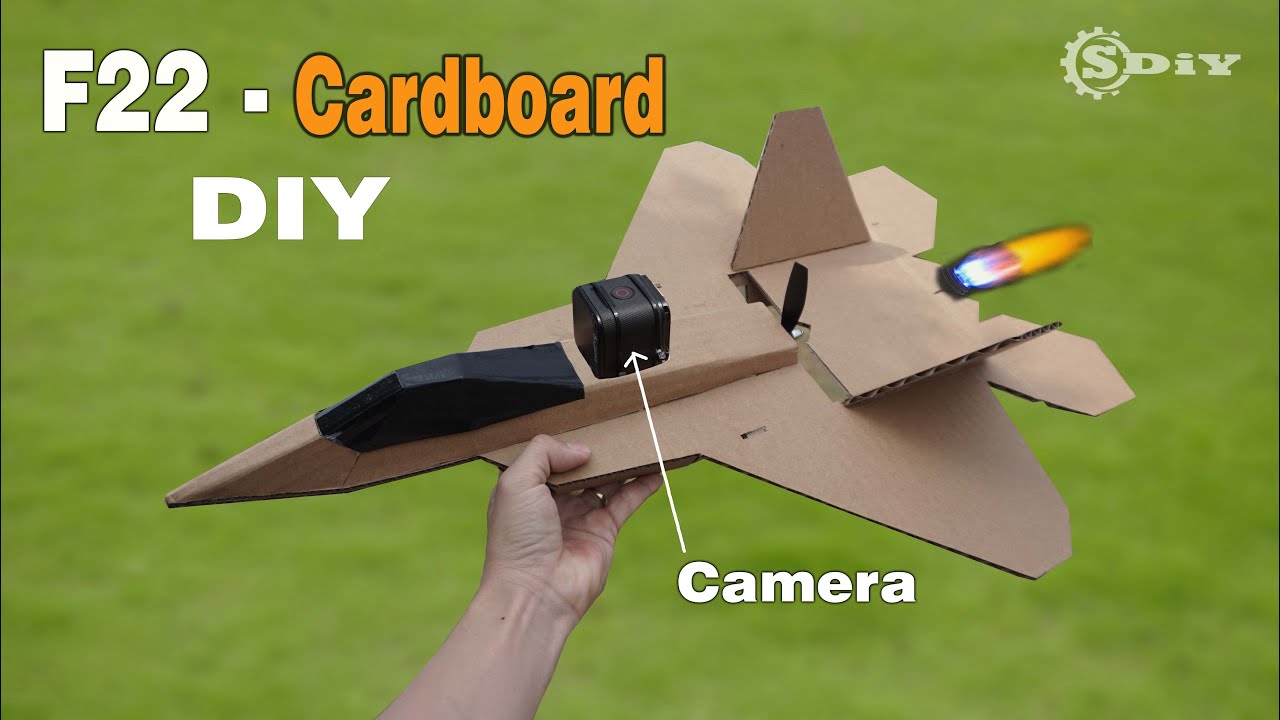
Installing electronics in your RC plane is where the magic happens. It’s the step that transforms your cardboard creation from a static model into a flying machine. If you’ve ever felt the thrill of watching your DIY plane soar, you know how crucial this part is.
But don’t worry if you’re a newbie. Everyone starts somewhere, and with a few tips and tricks, you’ll be powering up your RC plane like a pro.
Gathering Your Tools And Components
Before you dive into the installation, make sure you have all the essential tools and components. A small screwdriver set, a soldering iron, and a multimeter are vital for precision work.
You’ll also need the electronic parts: a receiver, servos, motor, ESC (Electronic Speed Controller), and a battery. Lay everything out on a clean workspace. This helps you keep track of what you have and what you need. It might be tempting to rush, but taking time to organize can save you headaches later.
Positioning The Receiver
The receiver is the heart of your RC plane’s communication system. Place it where it won’t interfere with other components or the cardboard structure. Typically, the fuselage is a good spot. Ensure the antennae have enough clearance to avoid signal loss.
Test the receiver’s position by connecting it to your transmitter and checking the response. An uninterrupted signal is crucial for smooth flying.
Mounting The Servos
Servos control the plane’s movement. Install them near the control surfaces, such as the ailerons and elevators. Use double-sided tape or glue for a secure fit. Check the alignment and test their range of motion. The servos should move freely without any obstructions.
Adjust if necessary to ensure your plane reacts instantly to your control inputs.
Securing The Motor And Esc
The motor is the propulsion system, while the ESC regulates power. Mount the motor in the designated nose area of your plane.
Connect the ESC to the motor and battery, ensuring wires are neatly arranged to prevent tangles. Double-check connections to avoid any short circuits. A well-secured motor ensures stable flight dynamics.
Connecting The Battery
The battery powers the entire setup. Secure it in a balanced location to maintain the plane’s center of gravity. Use velcro straps or a battery holder for easy access. Check the weight distribution to prevent tipping during flight. A balanced plane is key to smooth and controlled flying.
Testing Your Setup
Before you launch, it’s time for a systems check. Power up your plane and test each component: servos, motor, and receiver. Make adjustments if something isn’t working right. This step saves you from potential crashes. Wouldn’t you agree that a few minutes spent here can save hours of repair later?
Final Thoughts On Your Electronic Installation
Installing electronics might seem daunting at first, but it’s gratifying. Remember the first time you saw your cardboard plane take flight?
That excitement is just around the corner. Keep learning and experimenting. Each tweak brings you closer to mastering the art of RC planes. Ready to see your creation soar into the sky?
Credit: m.youtube.com
Balancing And Testing
Creating an RC plane from cardboard is a fun project. Balancing and testing the plane is crucial for its flight success. This phase ensures stability and control in the air.
Balancing The Rc Plane
Proper balance prevents crashes and ensures smooth flight. Check the weight distribution across the plane. The center of gravity should be near the wings. Adjust weight if needed using small weights or tape. This helps the plane maintain even flight.
Testing The Controls
Test the control surfaces like the rudder and ailerons. Ensure they move freely and respond to your request. Adjust the control linkages for precise movements. A well-functioning control system is vital for maneuverability.
Conducting A Ground Test
Perform a ground test before the first flight. Start the motor and observe the plane’s reaction. Ensure the propeller spins correctly without wobbling. Check the battery and connections for stability. A successful ground test increases the chances of a smooth flight.
First Flight Test
Choose a large open area for the first flight. Launch the plane gently and observe its behavior. Adjust controls as needed for a steady flight. Watch for signs of imbalance, such as tilting or spiraling. Make necessary adjustments after landing.
Making Final Adjustments
After the flight, check the plane for any needed tweaks. Fine-tune the balance and control settings for better performance. Recheck all connections to ensure they are secure. Final adjustments help improve future flights.
Troubleshooting Common Issues
Building an RC plane from cardboard can be fun but tricky. Common issues include balance, motor placement, and wing stability. Adjust weight distribution and secure components tightly for a smooth flight.
Creating an RC plane with cardboard is an exciting project. However, like any DIY endeavor, you might face some challenges along the way. Troubleshooting common issues is part of the learning process. By understanding these potential problems, you can make adjustments and ensure your cardboard RC plane takes to the skies smoothly.
1. Misaligned Wings
Misaligned wings can affect the plane’s stability. If your plane veers to one side or wobbles in flight, check the wing alignment. Ensure they are symmetrical and securely attached. Using a ruler can help you verify their alignment. Also, observe how the plane behaves during flight. Adjust the wings to correct any imbalance.
2. Weak Structure
Cardboard is lightweight but can be fragile. If the plane’s body bends or breaks, reinforce it with tape or additional cardboard layers. Consider using lightweight materials like foam for critical parts. This provides strength without adding excessive weight.
3. Motor Issues
Motor problems can range from unexpected stops to overheating. Ensure the motor is securely mounted and the wires are properly connected. Check for loose connections or damaged wires. Regularly test the motor to ensure consistent performance.
4. Control Problems
Control issues might arise if the remote doesn’t respond well. This can be due to interference or battery problems. Ensure the batteries are fresh and the controller is within range. Avoid flying near metal structures that might interfere with the signal. If the plane is unresponsive, try recalibrating the controls.
5. Unstable Flight
Weight distribution problems can cause unstable flight. Assess if the plane’s center of gravity is off. You might need to redistribute weight by adjusting the battery or adding small weights. Test different placements until the plane flies smoothly.
6. Landing Gear Problems
Landing gear might not function properly if it’s weak or misaligned. Check if the wheels are securely attached and can rotate freely. Consider reinforcing the gear with stronger materials. Properly aligned landing gear ensures smoother landings and reduces damage.
By troubleshooting these common issues, you’ll gain valuable insights into your cardboard RC plane. What challenges have you faced with your DIY projects? Share your experiences and tips below.
Credit: www.instructables.com
Frequently Asked Questions
Can You Make An RC Plane Out Of Cardboard?
Yes, you can build an RC plane using cardboard. It’s lightweight, cost-effective, and easy to shape. Ensure structural integrity by reinforcing key areas. Use lightweight electronics and components for optimal performance. Cardboard RC planes are great for beginners and hobbyists.
Is Cardboard Good For Rc Planes?
Cardboard is lightweight but not ideal for RC planes. It lacks durability and rigidity compared to foam or balsa wood. These materials offer better structural strength and flexibility, enhancing flight performance. For best results, choose materials specifically designed for model aircraft construction to ensure optimal performance and longevity.
How To Make An Rc Plane At Home?
To make an RC plane at home, gather materials like foam board, a motor, and electronics. Cut the foam into plane shapes. Assemble components, ensuring balance and aerodynamics. Connect electronics like the receiver and servo motors. Test controls before flying. Always prioritize safety and follow local regulations.
How To Make A Cardboard Plane Easily?
Create a simple cardboard plane by cutting out wings, body, and tail shapes. Assemble using glue or tape. Decorate with markers for a fun design. Ensure the aircraft is balanced for smooth gliding. Enjoy flying your homemade cardboard creation indoors or outdoors.
Conclusion
Creating an RC plane from cardboard is a fun project. It combines creativity and engineering skills. You learn a lot about aerodynamics and design. This activity is perfect for hobbyists and kids. Cardboard planes offer an affordable way to explore flight.
Plus, it’s satisfying to see your creation soar. Gather your materials and start building today. Share your experience with friends and family. Inspire others to try it too. Enjoy the process and celebrate your success. Remember, patience and practice make it better.
Happy flying!