B 17 Rc Plane: Ultimate Guide to Flying Legends
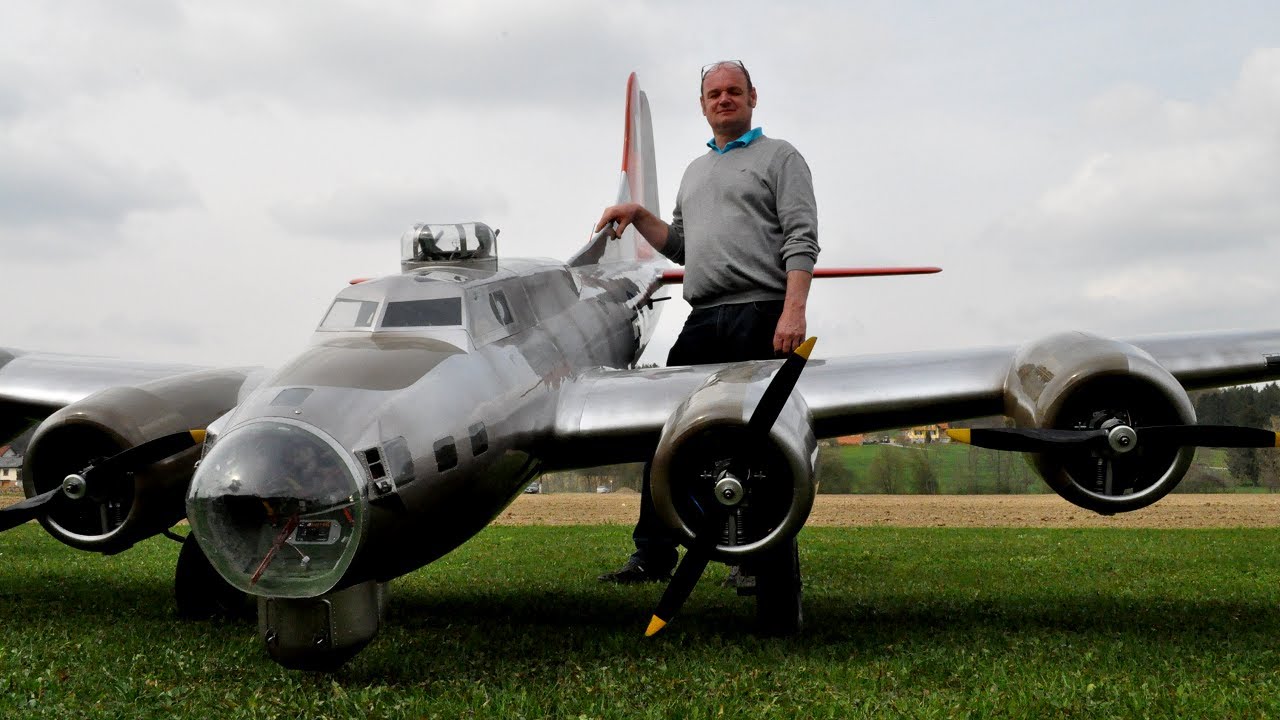
If you’ve ever dreamed of piloting a piece of history right from your backyard, the B-17 RC plane might just be what you’re looking for. This iconic model, inspired by the legendary B-17 Flying Fortress, offers an unmatched combination of nostalgia, craftsmanship, and fun.
Whether you’re a seasoned RC pilot or just starting, there’s something truly captivating about watching this beauty soar through the skies. But here’s the thing—choosing the right B-17 RC plane and making the most of your flying experience can feel overwhelming.
That’s why this article is here to guide you. By the time you finish reading, you’ll have all the tips and insights you need to pick the perfect model and enjoy every second of flight. Ready to take off? Let’s dive in!
History Of The B 17 Flying Fortress
The B-17 Flying Fortress holds a legendary place in aviation history. Known for its durability and strategic importance during World War II, this aircraft captured the imagination of both military personnel and aviation enthusiasts.
But how did this iconic bomber come to be, and why does it still resonate with us today?
Early Development Of The B-17
In the 1930s, the U.S. Army Air Corps sought a long-range bomber that could defend itself while delivering payloads deep into enemy territory. Boeing responded with the Model 299 prototype, which later became the B-17.
Although it didn’t win the initial contract due to a crash during testing, the aircraft’s potential was undeniable. The military couldn’t ignore its revolutionary design and performance.
Did you know the B-17 was one of the first planes to feature a flight deck instead of an open cockpit? This innovation improved pilot safety and comfort, setting a new standard for bomber aircraft.
The Role Of The B-17 In World War II
The B-17 earned its nickname, “Flying Fortress,” because of its impressive defensive capabilities. Armed with up to thirteen .50 caliber machine guns, it became a symbol of resilience in the skies. Crews often referred to it as their “guardian angel,” knowing it could take substantial damage and still return home.
One famous mission involved a B-17 nicknamed “All American,” which returned safely despite losing half its tail section. Stories like these solidify the plane’s legendary status.
Mass Production And Global Impact
During the war, over 12,700 B-17s were built, with many rolling off the production lines in Seattle. Its consistent performance made it the backbone of Allied bombing campaigns, particularly in Europe. The plane’s ability to fly at high altitudes and its robust design made it difficult for enemy fighters to intercept.
Have you ever imagined what it was like for the crews? Long missions in freezing temperatures, knowing survival often depended on teamwork and the reliability of their aircraft. The B-17 gave them a fighting chance.
Legacy Of The B-17 Flying Fortress
Even decades after the war, the B-17 remains a beloved symbol of courage and innovation. Today, you can see restored B-17s in airshows, where they inspire awe and respect for those who served. Their unmistakable silhouette and roaring engines remind us of the sacrifices made during a pivotal time in history.
What does the B-17 mean to you? For some, it’s a technical marvel. For others, it’s a link to a family member’s story of bravery during the war. Either way, its legacy continues to soar.

Credit: www.buddyrc.com
Features Of The B 17 Rc Plane
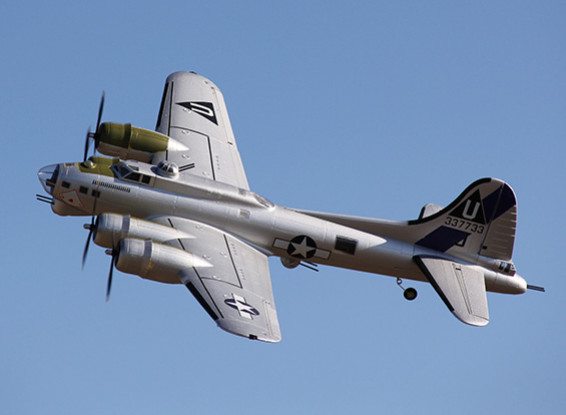
The B-17 RC Plane is a detailed replica of the iconic bomber. It offers a thrilling experience for hobbyists and aviation enthusiasts. Its design and features make it a popular choice among RC plane collectors.
This plane is built for durability and a realistic flying experience. Below are the key features that set the B-17 RC Plane apart.
Durable Construction
The B-17 RC Plane is made from high-quality materials. This ensures durability during flights and landings. The sturdy frame allows it to handle minor impacts effortlessly. Its lightweight design also enhances performance in the air.
Realistic Design
The plane mimics the appearance of the original B-17 bomber. It includes intricate details like wing structure and fuselage markings. These features make it appealing to history buffs and model collectors.
Easy Controls
The B 17 RC Plane has user-friendly controls for smooth operation. Beginners and experienced pilots can enjoy flying it without difficulty. The responsive control system ensures precise movements during flights.
Powerful Motors
The plane is equipped with efficient motors for stable performance. These motors provide the necessary thrust for long-distance flights. Their reliability guarantees consistent speed and control in the air.
Impressive Wingspan
The wide wingspan enhances stability and aerodynamic performance. This helps the plane glide smoothly, even in challenging conditions. The wings are designed to reduce drag and improve lift.
Long Flight Time
The B 17 RC Plane features a high-capacity battery for extended flights. Users can enjoy longer sessions without frequent recharging. This makes it suitable for outdoor adventures and large open spaces.
Customizable Parts
The plane allows customization for personal preferences. Users can upgrade parts like propellers and electronics. This feature lets hobbyists enhance performance or adapt the plane to specific needs.
Selecting The Right B-17 RC Model
Choosing the right B-17 RC model can feel overwhelming. There are many options, each with unique features. A good choice depends on your experience, budget, and needs. This section will help you make an informed decision.
Consider Your Skill Level
Beginner pilots should pick a model with simple controls. Advanced users can opt for detailed and feature-rich designs. Some models include autopilot or stabilization for easier handling. Match the plane’s complexity to your flying experience.
Evaluate Build Quality
Durable materials like foam or reinforced plastic ensure long-term use. Check for strong wings and a robust fuselage. High-quality models resist crashes better. Lightweight planes are easier to fly and handle.
Check For Historical Accuracy
Many B-17 models replicate the iconic bomber’s original design. Look for details like realistic decals and paint schemes. Some models even feature scale engines or cockpits. These details add a sense of authenticity.
Consider Size And Portability
Smaller models are easier to transport and store. Larger planes often provide better stability in flight. Measure your available storage space before selecting a size. Foldable or detachable parts can help with portability.
Look At Battery Life
Battery capacity affects how long you can fly. Models with longer battery life offer more airtime. Check if the battery is rechargeable or replaceable. Extra batteries can extend your flying sessions.
Choose Based On Budget
Affordable options are great for beginners or casual flyers. Premium models may include advanced features, but cost more. Compare prices to find a model that fits your budget. Remember, quality doesn’t always mean expensive.
Building And Assembling Your Rc Plane
Building your own B-17 RC plane can be an exciting and rewarding experience. Each step brings you closer to seeing your plane take flight.
Whether you’re a beginner or a seasoned builder, attention to detail is what makes the difference between a plane that soars and one that doesn’t get off the ground.
Step 1: Understanding Your Kit
Before you start, get familiar with everything in your kit. Lay out all the parts and check the manual to ensure nothing is missing. This prevents delays and lets you focus on assembling without surprises later.
Some kits come partially pre-assembled, while others require a full build. Know what you have so you can plan your work accordingly.
Step 2: Assembling the Fuselage
The fuselage is the backbone of your B-17 RC plane. Start by attaching the key structural components like the main body and internal supports. Use a strong, lightweight adhesive to ensure durability without adding unnecessary weight.
Double-check alignment as you go. A crooked fuselage can affect the plane’s balance and flight performance.
Step 3: Installing the Wings
The wings are critical for lift, so take your time here. Attach them securely to the fuselage using screws, bolts, or the connectors provided in your kit. Ensure symmetry—uneven wings can cause instability mid-flight.
Test the fit by gently flexing the wings. They should feel solid but not overly rigid.
Step 4: Adding the Tail Assembly
The tail ensures your plane stays stable in the air. Attach the horizontal and vertical stabilizers as indicated in the instructions. Use a level or ruler to ensure perfect alignment.
Misaligned stabilizers can cause the plane to veer off course or struggle to maintain altitude.
Step 5: Installing the Electronics
Now it’s time to bring your plane to life. Install the motors, servos, and receiver as per the manual. Be mindful of wire placement to avoid tangles or interference during flight.
Test your electronics before sealing anything up. A quick check can save hours of troubleshooting later.
Step 6: Fine-Tuning and Balancing
A well-balanced plane flies better and reacts predictably. Use a balancing tool or your fingers to find the center of gravity. Adjust the battery or add small weights if necessary.
Don’t skip this step. Even a slightly unbalanced plane can crash on its first flight.
Step 7: Final Touches
Before you head to the field, give your plane a once-over. Check screws, adhesives, and connections to ensure everything is secure. Apply decals or paint if you want to personalize your B-17—it’s your creation, after all!
Wouldn’t it feel great to see your unique design soar through the sky?
Building a B-17 RC plane is as much about the process as it is about the result. With patience and care, you’ll have a plane that’s not just functional but also a source of pride.
Essential Tools For Rc Plane Setup
Setting up a B-17 RC plane requires precision and the right tools. Without proper tools, assembly and maintenance can become frustrating. Using essential tools ensures a smooth setup and enhances flying performance.
Below is a breakdown of the must-have tools for your B-17 RC plane. Each tool plays a crucial role in ensuring the plane functions at its best.
1. Screwdrivers And Hex Drivers
Screwdrivers and hex drivers are essential for assembling RC plane parts. Use them to tighten screws and secure components. Ensure you have various sizes to fit different screws.
2. Soldering Kit
A soldering kit is vital for connecting wires and repairing electronics. It helps ensure strong, reliable connections for your plane’s electrical system.
3. Hobby Knife
A hobby knife is perfect for trimming excess material or tape. It’s also useful for precise cuts during customization or repairs.
4. Needle-nose Pliers
Needle-nose pliers assist in holding small parts and bending wires. They are handy for tasks requiring precision and control.
5. Digital Multimeter
A digital multimeter checks the voltage and current of your electronics. It’s essential for diagnosing electrical problems and ensuring safe operation.
6. Glue And Adhesives
Specialized glue is necessary for securing parts and fixing breaks. Choose adhesives designed for RC planes to ensure durability.
7. Balancer And Leveling Tools
Balancers help ensure the plane’s weight is evenly distributed. Leveling tools ensure the plane is properly aligned for stable flights.
8. Spare Propellers And Screws
Keep spare propellers and screws on hand for quick replacements. They save time and prevent delays during repairs or maintenance.
9. Battery Charger
A reliable battery charger ensures your RC plane is ready to fly. Choose a charger compatible with your battery type for safe charging.
Credit: hobbyking.com
Pre-flight Checks And Safety Tips
Performing pre-flight checks ensures your B-17 RC plane is ready for safe operation. Inspect the controls, battery, and propellers carefully. Always follow safety guidelines to avoid crashes and enjoy a smooth flight experience.
Before flying your B-17 RC plane, preparation is essential. Pre-flight checks ensure your plane is ready and safe to fly. Skipping these steps can lead to crashes or damage. Safety is crucial for both the plane and those nearby. Follow these tips to avoid common issues and enjoy a smooth flight.
Inspect The Airframe
Carefully examine the airframe for cracks or loose parts. Check the wings, tail, and fuselage for damage. Ensure all screws and bolts are tight. A loose part can cause mid-flight problems.
Test The Batteries
Charge the batteries fully before flying. Ensure they are properly connected to the plane. Use a voltage checker to confirm the battery level. Weak batteries can lead to short flights or loss of control.
Check The Propeller
Inspect the propeller for any cracks or damage. Make sure it spins freely without resistance. A damaged propeller can reduce performance or cause accidents.
Test The Radio System
Turn on the transmitter and receiver to ensure proper communication. Check that all control surfaces respond to your inputs. Test the throttle, rudder, elevator, and ailerons for smooth operation.
Verify Flight Controls
Ensure all control surfaces move in the correct direction. Double-check the trim settings for balanced flight. Misaligned controls can lead to unstable flying.
Assess Weather Conditions
Fly only in calm weather with minimal wind. Avoid rain, strong winds, or extreme temperatures. Bad weather can make flying difficult and risky.
Secure The Flying Area
Choose an open space free of obstacles like trees or buildings. Ensure no people or animals are nearby. A safe flying area reduces the risk of accidents.
Wear Protective Gear
Wear safety goggles to protect your eyes from debris. Gloves can provide extra grip and protect your hands. Always prioritize your safety during pre-flight preparations. `
Mastering Flight Controls
The B-17 RC plane is a fascinating model for aviation enthusiasts. Learning its flight controls is essential for safe and enjoyable flying. Understanding how to operate these controls builds confidence and improves performance.
This guide will help you understand key controls and their functions. We’ll break down each aspect so you can fly with precision.
Understanding The Elevator
The elevator controls the plane’s pitch or up-and-down movement. Moving the stick up raises the plane’s nose, climbing into the air. Pushing the stick down lowers the nose, helping it descend smoothly. Balance is crucial to maintain steady flight.
Mastering The Rudder
The rudder manages the plane’s yaw or side-to-side movement. This control allows you to steer the plane left or right. Use gentle movements to avoid sharp turns. Smooth adjustments keep the flight path predictable and stable.
Controlling The Ailerons
Ailerons are responsible for the plane’s roll or tilting motion. Adjusting these controls tilts the wings, enabling graceful turns. Coordinating ailerons with other controls creates smoother maneuvers. Practice rolling gently for better control.
Throttle For Speed Management
The throttle determines the engine power and overall speed. Increasing the throttle boosts speed and altitude, while reducing it slows the plane. Gradual adjustments prevent sudden movements and ensure safer operation.
Coordination Is Key
Using these controls together achieves balanced and controlled flight. For example, combine rudder and aileron for smooth turns. Adjust elevator and throttle to maintain altitude during maneuvers. Coordination takes practice but enhances skill significantly.

Credit: www.youtube.com
Maintenance And Troubleshooting
Owning a B-17 RC plane is a thrill, but keeping it in top shape requires consistent care and attention. Regular maintenance ensures smooth flights and extends the plane’s lifespan. When issues arise, troubleshooting can save you time and frustration.
Inspecting The Airframe
Start every maintenance session by inspecting the airframe for cracks, dents, or loose parts. Even small damage can affect how your plane flies. Check wing connections, landing gear, and fuselage screws to ensure everything is secure.
If you spot a crack, use epoxy glue to fix it before your next flight. Avoid flying if the damage is significant—it’s not worth risking further harm to your plane.
Cleaning The Motor And Propellers
Dust and debris can build up on your motor and propellers after a few flights. Wipe them clean with a soft cloth or brush. Be gentle to avoid damaging the motor housing or bending the props.
If you notice the motor struggling, it might need lubrication. Use a small amount of RC motor oil to keep it running smoothly.
Battery Health And Charging
Batteries are the lifeline of your RC plane. Always check for swelling or damage before charging. A damaged battery can be dangerous, so replace it immediately if you notice any issues.
Charge your battery only with the recommended charger and at the correct voltage. Overcharging can shorten its life and even cause overheating.
Calibrating The Controls
Before each flight, test the controls to make sure they respond accurately. Misaligned controls can lead to erratic movements in the air. Adjust the servo arms and linkage rods as needed.
If your plane pulls to one side or struggles to stay level, recalibrate the trims on your transmitter. This simple tweak can make a huge difference in flight stability.
Troubleshooting Common Issues
Sometimes your B-17 RC plane won’t take off or starts behaving unpredictably mid-flight. Start by checking the battery connection—it’s often the culprit. Ensure it’s seated properly and delivering power.
If the motor isn’t running smoothly, check for loose wires or debris inside. A quick clean or reconnection might be all it takes to fix the issue.
When your plane suddenly loses signal, verify if your transmitter batteries are low. Keeping spare batteries on hand can save you from cutting your flying session short.
Keeping A Maintenance Log
Keeping track of your maintenance efforts can help you spot recurring issues. Write down the dates of inspections, repairs, and replacements. This log can also remind you when it’s time for preventive care.
What’s the longest you’ve gone without checking your plane? Neglecting maintenance can lead to costly repairs, so make it a regular habit.
Proper maintenance and troubleshooting ensure your B-17 RC plane stays flight-ready and safe. By addressing small issues early, you can avoid major setbacks and enjoy worry-free flying.
Joining The Rc Plane Community
Joining the RC plane community is an exciting step for hobbyists. It’s a chance to share knowledge, learn, and connect with others. Flying a B-17 RC plane becomes more enjoyable with a supportive community. Whether you’re new or experienced, being part of the group adds value. It offers a sense of camaraderie and shared passion for aviation.
Engage In Online Forums
Online forums are great for connecting with fellow RC plane enthusiasts. Many forums have specific sections for B-17 RC plane discussions. Here, you can ask questions, share tips, or post your experiences.
Members often share advice about maintenance, flying techniques, and upgrades. These forums are also ideal for troubleshooting and getting quick solutions. You’ll find a wealth of knowledge from experienced pilots worldwide.
Attend Local Rc Plane Events
Local events are perfect for meeting RC plane enthusiasts in person. Many communities host regular flying meetups or competitions.
These events allow you to showcase your B-17 RC plane to others. You can also watch skilled pilots and learn new flying techniques. It’s a fun way to connect with others who share your passion for RC planes.
Join Social Media Groups
Social media groups are another way to connect with the RC plane community. Platforms like Facebook have groups dedicated to RC flying and specific models.
In these groups, you can find tutorials, share videos, or ask for advice. Members often post updates about upcoming events or group meetups. It’s an easy way to stay informed and engaged with the community.
Collaborate On Building Projects
Collaborating on building projects is a rewarding way to bond with others. Many enthusiasts enjoy working together on custom modifications or repairs.
Building a B-17 RC plane with others can improve your skills and knowledge. It’s also a chance to learn techniques that enhance your flying experience. Sharing the process makes the hobby even more enjoyable.
Learn From Experienced Flyers
Experienced flyers are a valuable resource in any RC plane community. They often share insights gained from years of flying and building.
Watching them fly can teach you advanced techniques and strategies. Many are happy to mentor beginners or answer specific questions. Their guidance can help you avoid common mistakes and improve your skills faster.
Frequently Asked Questions
What Is The B-17 Rc Plane Used For?
The B-17 RC plane is often used for hobby flying and model aircraft enthusiasts’ collections.
How Big Is The B-17 Rc Plane?
Its size varies, but many models have a wingspan of around 5-6 feet.
What Materials Are Used To Build B-17 Rc Planes?
B-17 RC planes are typically made from foam, balsa wood, or lightweight plastics.
Is The B-17 Rc Plane Beginner-friendly?
It may not be ideal for beginners. It requires advanced flying skills and proper maintenance knowledge.
Conclusion
The B 17 RC plane offers a unique and rewarding flying experience. Its design brings history to life, making it a favorite for enthusiasts. Flying this model builds both skill and confidence for RC pilots. Whether for fun or as a collector’s piece, it stands out.
The joy of flying this plane is unmatched, and it’s perfect for hobbyists. Choose the B 17 RC plane to explore the skies with precision. Its performance and charm will keep you engaged every time you fly. Enjoy the thrill of RC aviation with this timeless aircraft.