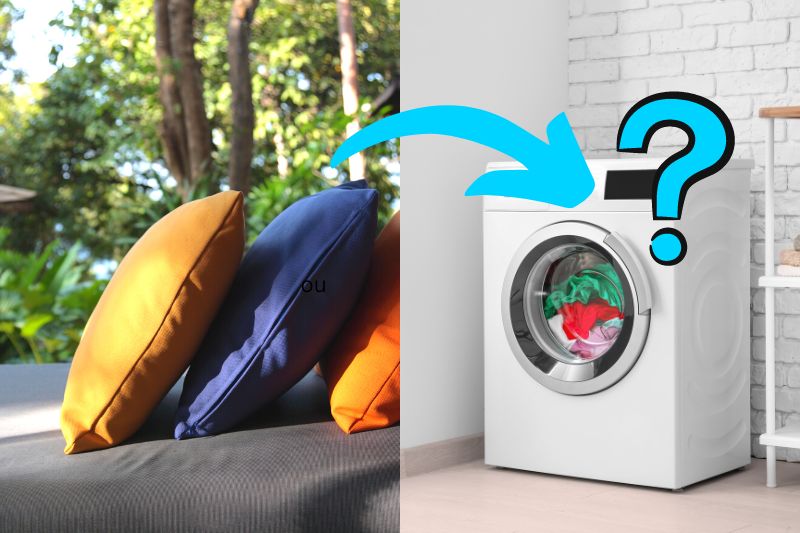
Can You Put Cushions in the Washing Machine
Have you ever looked at your favorite cushions and wondered if they could use a good wash? You’re not alone.
Cushions bring comfort and style to your home, but they can quickly become magnets for dust, dirt, and stains. You might be tempted to toss them into the washing machine for a quick fix, but is that really the best move?
Before you take action, it’s crucial to understand what your cushions can handle. This article will guide you through everything you need to know about washing cushions, helping you to make the best decision for your home and your peace of mind.
Discover the secrets to keeping your cushions fresh without risking damage, and learn tips that could save you time and money. Dive in, and let’s uncover the truth about washing cushions!

Credit: www.reddit.com
Types Of Cushions
When you’re sprucing up your living space, cushions can play a crucial role in enhancing both comfort and style. Yet, keeping them clean can be quite the task.
Not all cushions are created equal, and knowing the different types can help you decide if they can go into the washing machine.
Decorative Cushions
Decorative cushions are often the stars of your couch or bed setup. They come in various fabrics and designs, from delicate silk to robust cotton. The key here is the fabric. If your cushion cover is made of delicate material or has intricate embroidery, it’s best to hand-wash or spot-clean.
I once put my fancy silk cushion in the machine and regretted it—lesson learned! Check the care label for washing instructions and ensure the fabric can withstand a machine wash.
Seat Cushions
Seat cushions typically see more wear and tear. They often have removable covers, which makes cleaning easier. If the cover is machine-washable, remove it and pop it in the washer. Remember to use cold water and gentle detergent to keep the fabric looking fresh.
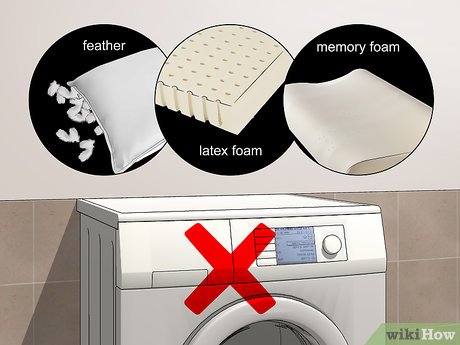
If the cushion itself needs cleaning, you might need to spot clean or use a fabric spray. Consider the cushion’s core material; foam or memory foam might not fare well in a washing machine.
Outdoor Cushions
Outdoor cushions are designed to withstand the elements, but they still need a good clean now and then. Most outdoor cushions have durable, water-resistant covers that can be machine-washed.
However, before you toss them in, check for any mildew or stains that might need pre-treatment. If they have a foam insert, it’s better to remove it before washing. Imagine sitting outside on a sunny day with freshly cleaned cushions—it’s worth the effort!
Now, ask yourself: do you know what kind of cushions you have? Identifying them could save you from a laundry mishap and keep your cushions looking their best.
Material Considerations
Washing cushions in a machine depends on the material. Check labels for care instructions first. Some cushions, especially those with removable covers, are machine washable. For delicate fabrics like silk or wool, hand washing or dry cleaning might be safer to prevent damage.
When considering whether you can put your cushions in the washing machine, the type of material is crucial.
Different fabrics react differently to water and agitation, and understanding these differences can save you from potential damage. Before tossing your cushions into the wash, let’s look at the material considerations to guide your decision.
Cotton And Linen
Cotton and linen are generally safe to wash in a machine, but they require a gentle touch. Always use a delicate cycle with cold water to avoid shrinkage. Remember that these natural fibers can wrinkle easily, so consider air drying them to maintain their shape.
Synthetic Fabrics
Synthetic fabrics like polyester and microfiber are usually more forgiving. They can often handle a regular wash cycle, but check the care label for any specific instructions. A small amount of mild detergent is typically sufficient to clean these fabrics without causing damage.
Memory Foam
Memory foam is a different story. Washing machines can ruin their structure, making it unusable. Instead, spot-clean memory foam cushions with a damp cloth and mild detergent. Have you ever tried to fix a misshapen memory foam cushion?
It’s not easy, and prevention is better than a costly replacement. Understanding these material considerations can make all the difference in maintaining the look and feel of your cushions. Before you wash, ask yourself: Is the convenience worth the risk of damage? Your cushions will thank you for the extra attention.
Label Instructions
Before washing cushions, check the care labels. These labels hold important washing instructions. They guide you on the right cleaning methods. Ignoring them can damage your cushions. So, always read them carefully.
Reading Care Labels
Care labels are usually sewn into the cushion cover. They provide important cleaning details. Check for washing temperature, drying methods, and other instructions. Following these guidelines ensures your cushions stay in good shape. It helps maintain their color and fabric quality.
Common Symbols And Their Meanings
Care labels often have symbols. These symbols guide you on washing methods. A bucket with water means you can wash it. A hand in the bucket indicates hand washing only. A triangle with an “X” means do not bleach.
An iron with dots shows the ironing temperature. One dot for low, two for medium, and three for high. Understanding these symbols is crucial for proper care.
Washing Machine Settings
Understanding the washing machine settings is crucial when it comes to washing your cushions. Using the wrong settings can lead to damage or insufficient cleaning. But with the right guidance, you can ensure your cushions come out fresh and clean. Let’s dive into the best cycle options and water temperature guidelines.
Best Cycle Options
Choosing the right cycle is essential for preserving the integrity of your cushions. Most cushions do well on a gentle or delicate cycle. These cycles minimize agitation, preventing wear and tear. Some machines offer a ‘bulky items’ cycle, which can be ideal for larger or thicker cushions.
Consider the fabric of your cushions. If they’re made of durable materials, a standard cycle might suffice. But if they’re softer or more delicate, stick to gentler settings. Have you ever washed a cushion only to find it misshapen or damaged? That’s often due to using the wrong cycle.
Water Temperature Guidelines
Water temperature plays a pivotal role in effective cleaning. Cold water is generally safe for most cushions, helping to prevent shrinkage and color fading. However, if your cushions are heavily soiled, warm water can be more effective in removing dirt and stains.
Always check the care label on your cushions for specific temperature recommendations. Some materials, like memory foam, should never be exposed to hot water. Have you checked the label and found contradictory advice? It’s always wise to err on the side of caution with cooler settings.
Pre-wash Preparations
Preparing your cushions for a wash is a crucial step that ensures they come out fresh and undamaged. Before tossing them into the washing machine, a little prep work can make a big difference. Think of it as setting the stage for a successful cleaning session.
Removing Pillow Covers
First things first, check if your cushions have removable covers. If they do, take them off. This step not only protects the inner cushion but also lets you clean the covers more thoroughly. Imagine the satisfaction of seeing your cushions looking pristine and smelling great.
Take a moment to look at the care label on the covers. This label is your guide to knowing the correct washing instructions. Some covers might need a gentle hand wash, while others can withstand a machine wash.
Spot Cleaning Stains
Before washing the entire cushion, inspect for any visible stains. Spot cleaning is key to preventing stains from setting in further. Have you ever watched a stubborn stain disappear with just a dab of detergent? It’s oddly satisfying!
Use a mild detergent and a soft cloth to treat stains directly. This approach is effective and saves you from scrubbing later. Ask yourself, would you rather deal with a stain now or after it’s hardened?
With these preparations, your cushions are ready for a more effective wash. Have you ever considered how a little prep can transform the washing experience? Dive into these steps next time and enjoy the results!
Credit: inthewash.co.uk
Drying Techniques
After washing your cushions, drying them correctly is crucial. Proper drying prevents mold and keeps them fluffy. Different methods offer different benefits.
Whether air drying or using a dryer, each has its own considerations. Let’s explore effective drying techniques to ensure your cushions remain in perfect condition.
Air Drying Tips
Air drying is a gentle method for cushions. First, find a sunny spot outdoors. This helps to speed up the drying process. Lay the cushions flat to retain their shape. Flip them occasionally for even drying. Use a drying rack if possible. This allows air to circulate freely.
Make sure the area is well-ventilated. Avoid direct contact with grass or dirt. These could stain the cushions. Be patient, as air drying might take longer. But it ensures the material stays intact.
Using A Dryer Safely
A dryer can be a quicker option. Check the cushion label first. Some materials are not dryer-friendly. Use a low heat setting to prevent damage. Place a few clean towels in the dryer. They help absorb extra moisture. Don’t overload the dryer.
This ensures even drying. Remove the cushions promptly once dry. This prevents wrinkles and maintains their shape. Fluff them gently to restore volume. Always monitor the drying process closely. Safety first!
Common Mistakes To Avoid
Placing cushions in the washing machine can lead to damage. Check the care label to ensure safety. Always use a gentle cycle and avoid overloading the machine.
Cleaning cushions can be tricky. Mistakes often lead to damage or extra costs. Knowing what to avoid helps keep your cushions fresh and intact. Here are some common mistakes people make when washing cushions in a machine.
Overloading The Machine
Putting too many cushions together can harm your washing machine. It strains the machine, causing it to work harder. This can lead to breakdowns or poor cleaning results. Always check the machine’s capacity before washing cushions.
Too many cushions may not clean properly. They also risk not drying evenly, leading to mold or odors. Wash only a few at a time.
Ignoring Material Needs
Cushions come in various fabrics. Each has specific washing needs. Not all materials are machine-washable. Some require hand washing or dry cleaning. Always read the care label on the cushion. Ignoring this may ruin the fabric or stuffing.
For instance, silk or wool cushions need special care. Use the appropriate detergent and settings for each material. This ensures your cushions stay in good shape for longer.
Alternatives To Machine Washing
Cushions often require gentle cleaning methods. Hand washing with mild detergent can preserve their shape and color. Spot cleaning is effective for small stains and helps maintain the cushion’s integrity without machine agitation.
Not all cushions are machine-wash friendly, and knowing what alternatives exist can save you from potential mishaps. You might be surprised to learn that some cushions, especially those with delicate fabrics or intricate designs, require a gentler touch.
If you’ve ever wondered how to clean your cushions without a washing machine, you’re in the right place.
Hand Washing Methods
Hand washing is a simple yet effective way to clean cushions that can’t handle the spin of a washing machine. Start by filling a basin or sink with lukewarm water and add a mild detergent.
Gently submerge the cushion and use your hands to massage the fabric, focusing on stained areas. After a thorough wash, rinse the cushion with clean water. Make sure all soap is removed to prevent residue from causing damage. Lay the cushion flat on a dry towel and roll it up, applying light pressure to remove excess water.
Finally, air-dry the cushion in a well-ventilated area. Avoid direct sunlight to prevent color fading. This method requires a bit more effort, but it can be quite satisfying to see the results of your own handiwork.
Professional Cleaning Services
Sometimes, outsourcing the task can be the best option, especially for expensive or antique cushions. Professional cleaners possess the expertise and equipment necessary for deep-cleaning without damage.
You might even save yourself time and stress by opting for this route. Check local cleaning services to see if they offer cushion cleaning. Many dry cleaners and upholstery specialists provide this service. Request a quote and ask about their cleaning methods to ensure your cushions are in safe hands.
Choosing a professional service can give you peace of mind, knowing your cushions are being cared for correctly. Have you ever tried a professional cleaning service? The results could be worth every penny, especially if you’re dealing with stubborn stains or special materials.

Credit: cleanmama.com
Frequently Asked Questions
Can All Cushions Be Machine Washed?
Not all cushions can be machine-washed. Check the care label first. Some cushions may have delicate fabrics or fillings that require special care. If the label permits, use a gentle cycle with mild detergent to prevent damage. Always ensure the cushion is securely placed in the drum for safe washing.
How To Wash Cushions Safely?
To wash cushions safely, start by checking the care label for instructions. Use a mild detergent and a gentle cycle. Place cushions in a mesh laundry bag if possible. Ensure they are balanced in the drum to prevent uneven spinning.
Air dry them after washing to maintain their shape.
Can Washing Machines Damage Cushions?
Yes, washing machines can damage cushions if not used properly. Overloading the machine or using harsh cycles can harm fabric and fillings. Always follow care instructions and use gentle settings. Balance cushions in the drum to avoid uneven spinning that can cause wear and tear.
Should Cushions Be Air-dried?
Yes, cushions should be air-dried to maintain their shape and integrity. Machine drying can cause shrinkage or deform fillings. Lay them flat in a well-ventilated area. Avoid direct sunlight to prevent color fading. Ensure they are completely dry before using to prevent mold growth.
Conclusion
Washing cushions can seem tricky, but it’s quite manageable. Check the care labels first. Some cushions are machine washable, while others need hand washing. Use a mild detergent for machine wash. Choose a gentle cycle for safety. Dry cushions properly to prevent mold.
Air-dry them if possible. Regular cleaning keeps cushions fresh and comfy. Always follow washing instructions to avoid damage. Remember, clean cushions enhance comfort. Enjoy sitting on soft, clean cushions. It’s worth the effort! Keep your cushions clean and inviting with these simple steps.
Happy cleaning and relaxing!