What is the Difference between Quilt Cover And Duvet Cover: Unraveled
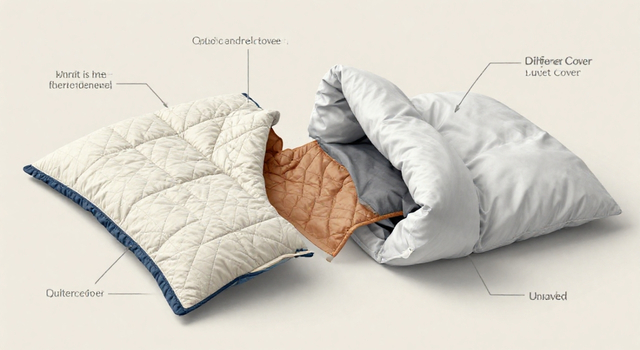
Have you ever stood in a bedding store, puzzled by the seemingly endless options for covering your cozy comforter? You’re not alone.
Quilt covers and duvet covers are two of the most popular choices, but distinguishing between them can be tricky. Understanding the difference is crucial for creating the perfect bedroom sanctuary. Are you ready to transform your sleep space into a haven of comfort and style?
Imagine slipping into a bed that feels just right, wrapped in the ideal cover that speaks to your personal taste and meets your practical needs. With the right information, you can make a choice that enhances your bedroom’s aesthetic while offering ease and convenience.
We’ll clarify the differences between quilt covers and duvet covers, helping you make informed decisions that align with your lifestyle and preferences. Get ready to uncover the secrets behind these essential bedding items, and say goodbye to bedding confusion for good!
Quilt Cover Basics
Understanding quilt covers can enhance your bedroom decor. Quilt covers shield and beautify your quilt. They serve a practical and aesthetic purpose. These covers come in various styles and materials, offering many choices.
Material And Design
Quilt covers are often made from cotton. This fabric is breathable and soft. Some also use polyester, which is durable. Designs range from simple to intricate patterns. You can find floral, geometric, or plain styles. The choice depends on your taste and room theme.
Functionality And Use
Quilt covers protect your quilt from dirt. They help keep it clean longer. Covers also add a layer of warmth. You can easily change them for a new look. This makes updating room decor simple and affordable.
Credit: purple.com
Duvet Cover Essentials
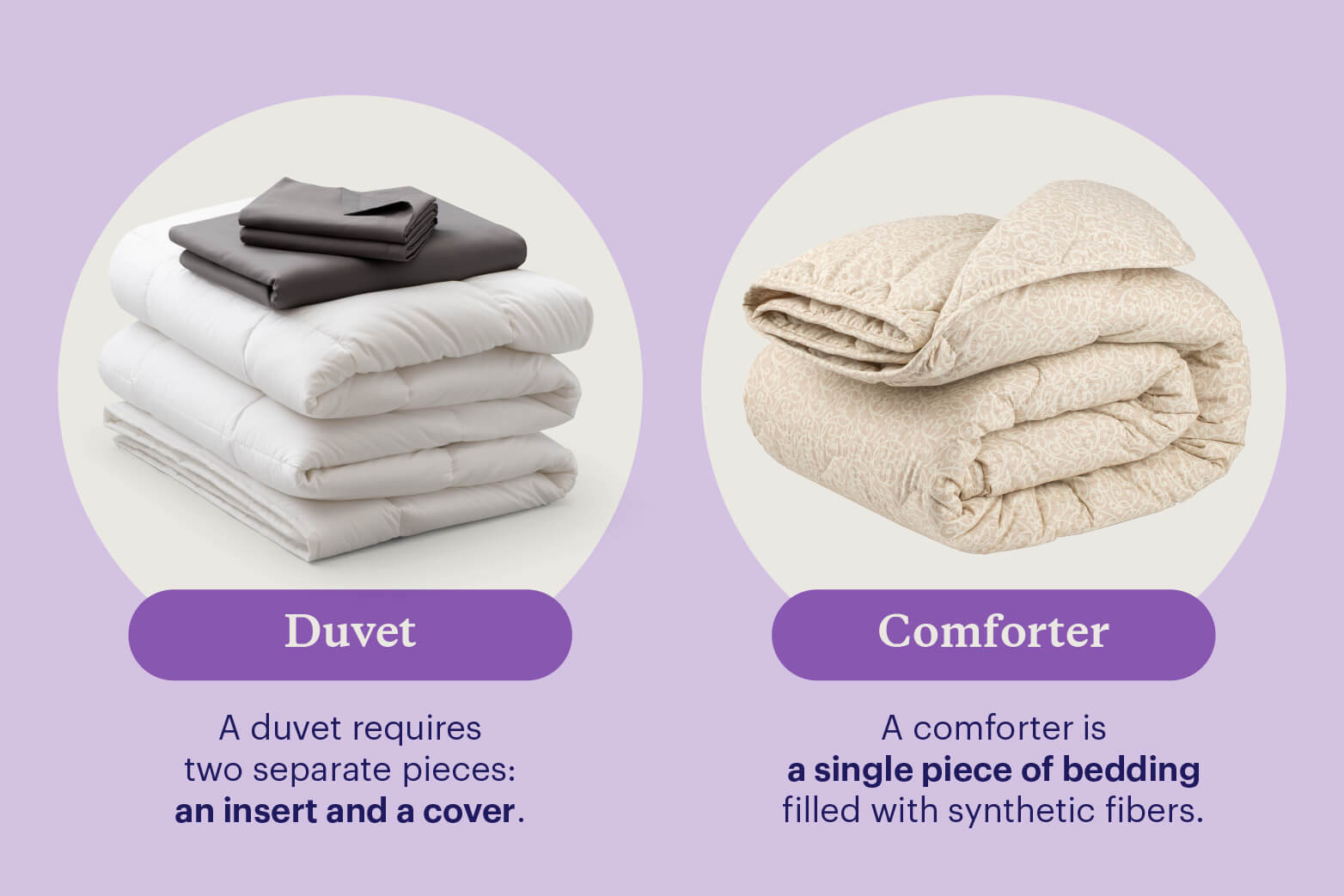
Duvet covers are a staple in many bedrooms. They serve as a protective layer for your duvet, keeping it clean and extending its life. A duvet cover can also change the look of your bed in seconds. It’s an easy way to refresh your bedroom decor. But what should you know about duvet covers?
Fabric And Construction
Duvet covers come in various fabrics. Cotton is a popular choice for its softness and durability. Linen offers a breathable option, perfect for warmer climates. For a touch of luxury, silk offers a smooth, elegant feel.
The construction of a duvet cover often includes button or zipper closures. This keeps the duvet secure inside. Ties at the corners can help prevent shifting.
Purpose And Application
The primary purpose of a duvet cover is protection. It shields your duvet from dust and stains. This means less frequent washing of the duvet itself. Duvet covers also allow for style changes. Swap them out to match your mood or season.
They are easy to remove and wash. This makes maintaining your bedroom’s cleanliness simple. A fresh duvet cover can quickly transform your space.
Key Differences
Quilt covers typically have three layers and are often stitched for a decorative finish. Duvet covers are simpler, designed to protect duvets, and are easier to change. Both serve as protective covers but differ in design and function.
When it comes to dressing your bed, understanding the key differences between quilt covers and duvet covers can transform your sleep sanctuary into a dream haven. Whether you’re setting up your guest room or refreshing your own space, choosing the right cover is essential.
Let’s dive into the specifics that set these two apart and see how they can impact your bedroom design and comfort.
Size And Fit
Quilt covers usually fit snugly over a quilt, which is generally thinner and lighter than a duvet. Quilts often have a specific size and shape, so a quilt cover is designed to match it perfectly.
Duvet covers, on the other hand, accommodate a bulkier duvet. These covers need extra room for the fluffiness, which means they often come in larger sizes compared to quilt covers.
Have you ever struggled to fit your bedding into its cover? Knowing these size differences can save you from wrestling with your linens every morning.
Design And Aesthetics
Quilt covers often feature intricate stitching and patterns that are visible on their surface. This makes them a focal point in your bedroom and adds a touch of elegance and texture. Duvet covers prioritize simplicity and ease of use.
They often have button closures or zippers, making it easy to change your bedroom’s look without hassle. Imagine flipping through a catalog of bedding options—would you choose the detailed quilt cover for its artistic appeal or the sleek duvet cover for its versatility?
Your choice can reflect your personal style and set the tone for your space. Now that you know the key differences, how will you choose the perfect cover for your bed?
Care And Maintenance
Quilt covers are designed to protect quilts and usually have decorative patterns. Duvet covers, on the other hand, encase duvets, providing a layer of protection and style. Both serve similar purposes but are tailored for different bedding items.
Maintaining the beauty and comfort of your bedding is crucial, and understanding the care and maintenance of quilt covers and duvet covers can make all the difference. These two types of covers, while similar in function, require distinct cleaning techniques and care to ensure they remain in pristine condition.
This knowledge not only extends the life of your bedding but also helps you enjoy a cozy and inviting bedroom environment.
Cleaning Techniques
Caring for quilt covers often involves gentle washing, as quilts can be delicate. Most quilt covers can be machine-washed on a gentle cycle with cold water to prevent fading and fabric damage.
It’s always wise to check the care label—some may recommend hand washing or dry cleaning, especially for materials like silk or intricate embroidery. Duvet covers, on the other hand, are usually more robust and can often handle a regular machine wash.
Use warm water for a thorough clean, and add a mild detergent to maintain the fabric’s softness. A useful tip is to wash duvet covers inside out to protect buttons and zippers, keeping them in tip-top shape.
Durability And Longevity
The lifespan of a quilt cover largely depends on its fabric and how you care for it. For instance, cotton quilt covers are known for their longevity if washed gently and not over-dried. Rotating your quilt covers regularly can also help even out wear and tear.
Duvet covers are typically designed for durability, often made from sturdy materials like cotton or polyester blends. Investing in a high-quality duvet cover pays off in the long run, as it can withstand frequent washing and usage. To prolong their lifespan, avoid using harsh chemicals or bleach, which can weaken fibers over time. How often do you replace your bedding?
If you’re like most people, you might not think about it until it’s visibly worn. Consistent care and maintenance of your quilt and duvet covers can keep them looking fresh and inviting, ensuring a restful night’s sleep every time.
Choosing The Right Cover
Deciding between a quilt cover and a duvet cover can be confusing. Both serve to protect and enhance the look of your bedding. Yet, they have unique features that cater to different needs. Understanding these differences helps you select the best option.
Factors To Consider
First, think about the climate where you live. Quilt covers are lighter. They suit warmer climates. Duvet covers are heavier and ideal for colder areas. Next, examine the cleaning process. Quilts often need dry cleaning. Duvets can usually be machine-washed.
This difference affects maintenance time and cost. Then, consider the filling material. Quilts often have cotton or wool fillings. Duvets may contain down or synthetic fibers. The filling impacts warmth and comfort.
Finally, think about your budget. Quilts can be more expensive due to intricate designs. Duvets are often more affordable. Weigh these factors before deciding.
Personal Preferences
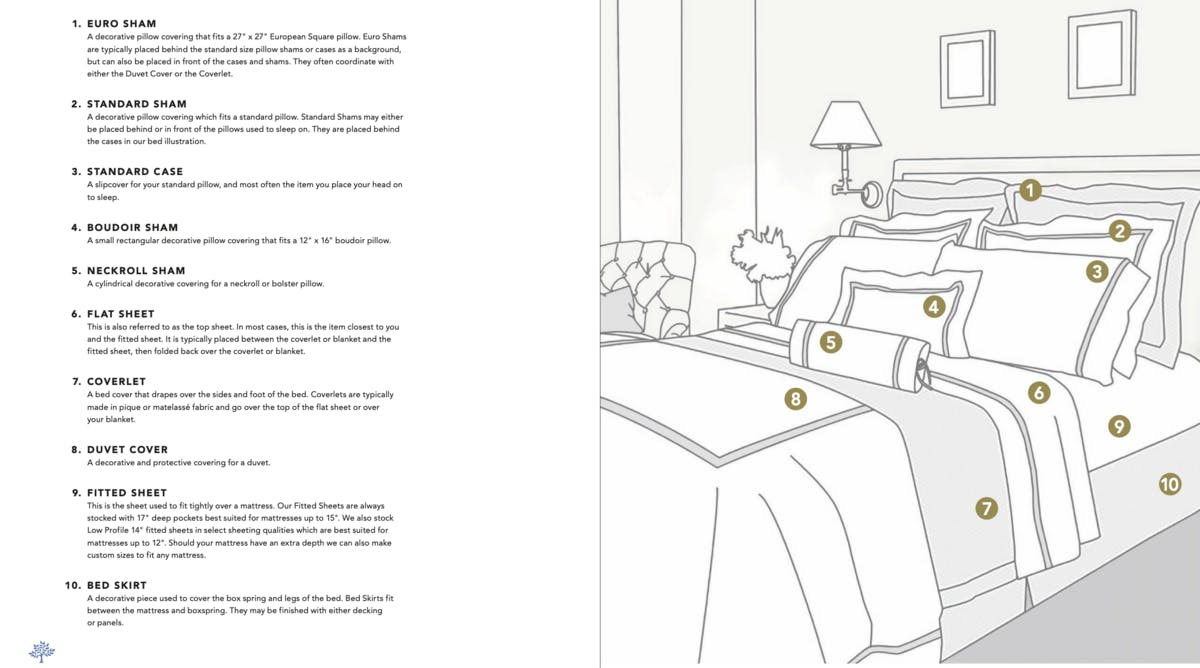
Personal style plays a big role in your choice. Quilt covers come in various patterns and textures. They add a touch of elegance to any bedroom. Duvet covers offer simplicity. They appeal to those who prefer minimalist designs. Consider the ease of changing covers.
Duvet covers are typically easier to switch. They have buttons or zippers for simple removal. Quilts might take more effort to replace. Think about the feel of the fabric. Quilts offer a cozy, traditional texture. Duvets feel sleek and modern. Choose the fabric that matches your sleeping style. Personal preferences shape your decision significantly.
Credit: www.matouk.com
Popular Trends
Understanding the difference between a quilt and a duvet cover is key to bedroom decor. A quilt cover typically encases a quilt, often thinner and sewn with layers. Duvet covers protect duvets, which are thicker and filled with down or synthetic fibers, offering warmth and comfort.
When choosing bedding for your bedroom, understanding the difference between quilt covers and duvet covers can be a bit confusing. Both serve to protect and style your comforter, but they cater to different preferences and trends.
Current Styles
In recent years, quilt covers have become synonymous with cozy, cottage-style aesthetics. You might notice soft pastel colors and floral patterns dominating this space. These choices evoke a sense of warmth and nostalgia, perfect for creating a tranquil environment.
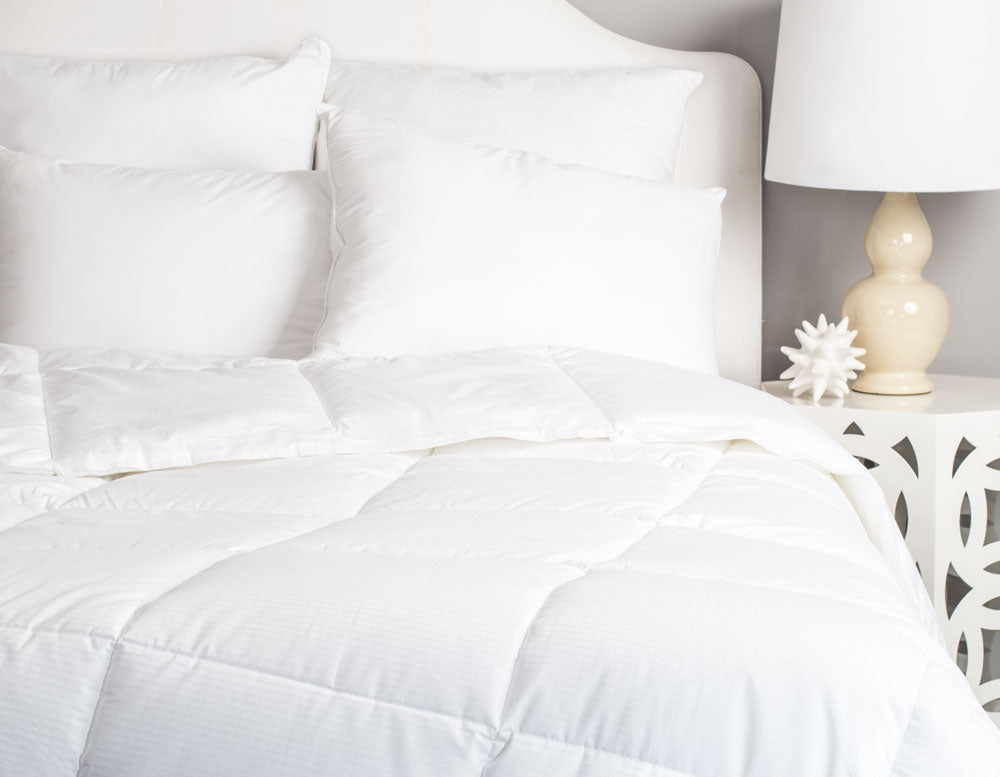
On the other hand, duvet covers are embracing minimalist and contemporary designs. Think sleek lines and neutral tones. This approach offers a clean and elegant look, making it easy to refresh your bedroom without overwhelming your senses.
Innovative Designs
Quilt covers are not just about tradition anymore. Innovative designs now include reversible covers, offering two styles in one. Imagine having the flexibility to switch your bedroom’s look with a simple flip!
Duvet covers are pushing boundaries, too, with sustainable materials gaining traction. Bamboo and organic cotton are becoming popular choices, appealing to eco-conscious individuals. This trend not only enhances your bedroom’s style but also contributes positively to the planet.
Have you ever considered how your bedding choices reflect your personality? Whether you lean towards a quilt cover’s charm or a duvet cover’s modernity, there’s a perfect trend waiting for you.
Credit: www.craneandcanopy.com
Frequently Asked Questions
What Is A Quilt Cover?
A quilt cover is a protective layer for a quilt. It is similar to a pillowcase but for quilts. It helps keep the quilt clean and extends its lifespan. Quilt covers come in various materials and designs, offering aesthetic appeal and versatility.
They are easy to remove and wash.
How Does A Duvet Cover Differ?
A duvet cover encases a duvet, providing protection and style. It is designed to keep the duvet clean and add decorative flair. Unlike quilt covers, duvet covers often have a button or zipper closure. They come in various fabrics, offering comfort and easy maintenance.
Can Quilt Covers Fit On Duvets?
Quilt covers can fit duvets if the sizes match. Both covers serve similar purposes but differ in fabric and design. It’s essential to check dimensions before purchasing. Using a quilt cover on a duvet might not offer the perfect fit or closure.
Consider buying a dedicated duvet cover for the best result.
Are Quilt Covers More Decorative?
Quilt covers often feature elaborate patterns and textures. They are designed to enhance bedroom aesthetics. This can make them more decorative than duvet covers. However, both can be equally stylish depending on personal taste. Choosing between them depends on the desired look and feel for your bed.
Conclusion
Choosing between quilt covers and duvet covers is simple with these tips. Quilt covers add a decorative touch. Perfect for layered bedding. Duvet covers offer a practical solution. Great for easy cleaning and changing. Both serve distinct purposes. Match them to your style and comfort needs.
Consider the material and ease of use. Your bedroom will feel cozy and inviting. Make a choice based on your lifestyle. Transform your sleep space effortlessly. Enjoy restful nights with the right cover.