
Easy DIY Foam Airplane: Step-by-Step Guide for Beginners
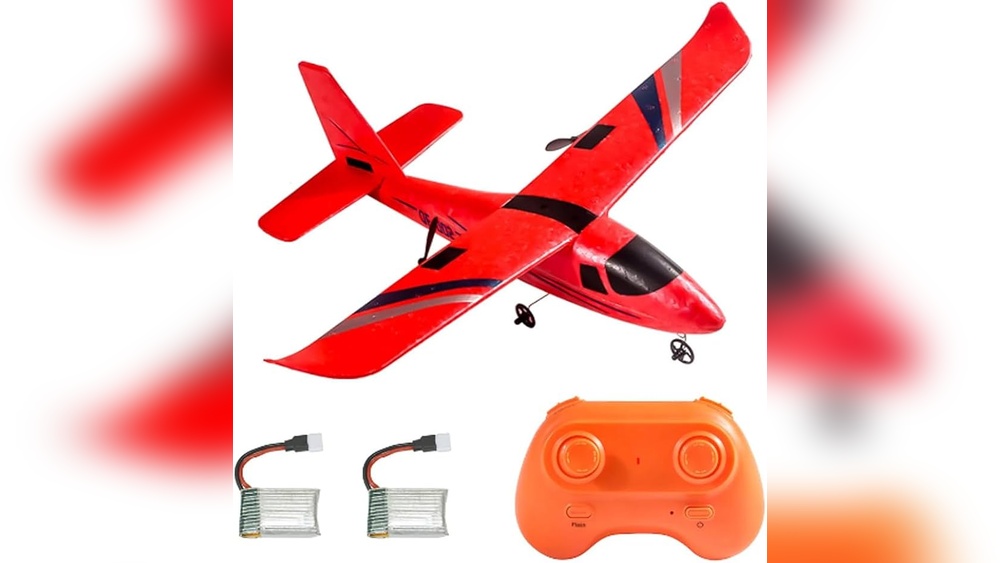
Building your own foam airplane is a fun and satisfying project for people of any age. Whether you want a simple activity for a rainy afternoon, a classroom science experiment, or a stepping stone into model aviation, crafting a DIY foam airplane is a perfect choice. You do not need expensive tools or advanced skills. With some basic materials and a little patience, you can create a plane that glides smoothly and sparks curiosity about flight.
What makes foam airplanes so appealing is their mix of simplicity, safety, and real learning. They are light, easy to repair, and safe for children. Best of all, you will understand aerodynamics and design by actually building and flying your own plane. This guide will walk you through everything: materials, design tips, step-by-step building, flying tricks, and even troubleshooting. Whether you are a parent, teacher, or hobbyist, this comprehensive article will help you build a foam airplane that really works.
Why Make A Diy Foam Airplane?
Creating your own foam airplane offers more than just a craft project. It is a hands-on way to learn about science and engineering. Foam planes help you understand lift, drag, and balance—the same principles that keep real airplanes in the sky. For kids, it is a chance to develop problem-solving skills and patience.
Making your own plane is also budget-friendly. Most supplies are cheap or already at home. Foam sheets, glue, a ruler, and a hobby knife are usually enough. You can also reuse foam trays or packaging, making this a sustainable and eco-friendly activity.
Most importantly, building a foam airplane is about creativity. You can experiment with different shapes, wing sizes, and decorations. Watching your handmade plane soar is rewarding and often leads to more questions and ideas.
Choosing The Right Foam
Not all foams are equal. Picking the right type is one of the first steps for a successful airplane. Here are the most common options:
- Depron: Lightweight and easy to cut. This is a favorite for model aircraft.
- Foam board: Sturdy, with a paper layer. Good for structure and easy to find in craft stores.
- Polystyrene trays: Recycled from food packaging. Thin, very light, but less durable.
- Expanded polystyrene (EPS): Common in packaging. Can be carved but breaks easily.
For beginners, foam board is best. It is simple to work with, strong enough for crashes, and not too expensive.
Foam Types Compared
| Foam Type | Weight | Ease of Cutting | Durability | Cost |
|---|---|---|---|---|
| Depron | Very light | Easy | Good | Medium |
| Foam board | Light | Very easy | Excellent | Low |
| Polystyrene tray | Very light | Easy | Poor | Very low |
| EPS | Light | Medium | Fair | Low |
Materials And Tools You Need
Before starting, gather all your materials. This helps avoid mistakes and keeps the building process smooth. Here’s a basic list:
- Foam board (or your chosen foam)
- Hobby knife or sharp scissors
- Ruler (30 cm or 12 inches is enough)
- Pencil or marker for tracing
- White glue or hot glue gun (for adults)
- Toothpick or thin wooden skewers (for reinforcing)
- Paper clips (for adding weight to the nose)
- Tape (clear, masking, or colored for decoration)
- Sandpaper (optional, for smoothing edges)
- Template (drawn or printed)
You do not need all these for every design, but having them ready gives you more options.
Understanding Basic Airplane Design
A foam airplane works because of its shape and balance. Knowing the parts will help you build a plane that really flies.
- Fuselage: The main body. It holds the wings and tail.
- Wings: Provide lift. Bigger wings mean more lift but can slow the plane.
- Tail: Keeps the plane stable in the air. Usually includes a vertical fin and horizontal stabilizer.
- Nose: The front. Needs some weight to fly straight.
- Control surfaces: Parts that can be bent to change direction, like ailerons or elevators.
Simple Design Vs. Fancy Design
Start with a basic glider shape: straight fuselage, flat wings, small tail. This shape is easy to balance and flies well without a motor.
As you gain experience, you can try more advanced designs. For example, adding a dihedral angle (wings slightly angled up) makes the plane more stable. Swept-back wings can make the plane fly faster.
Step-by-step: How To Build A Simple Diy Foam Airplane
Let’s make a classic foam glider. This design is reliable and perfect for indoor or outdoor flights.
1. Draw And Cut Out The Template
First, draw your airplane parts on the foam. You can use a ruler and freehand, or print a simple template from the internet. A classic glider needs:
- Fuselage: 25 cm long, 2 cm wide
- Wing: 20 cm wide, 6 cm front-to-back
- Tail (horizontal stabilizer): 8 cm wide, 3 cm front-to-back
- Vertical fin: 3 cm wide, 4 cm tall
Mark these on the foam with your pencil. Cut carefully with a hobby knife. Keep your fingers safe and cut on a flat surface.
2. Shape The Edges
Foam edges can be rough after cutting. Lightly sand the edges with sandpaper. Rounded leading edges (the front of the wing) help air flow smoothly. Flat or slightly tapered trailing edges (back of the wing) reduce drag.
3. Assemble The Main Body
Glue the wing to the top of the fuselage, about one-third from the nose. Let the glue dry. Attach the horizontal stabilizer to the rear of the fuselage. Glue the vertical fin on top of the stabilizer at the back.
Hold everything in place until the glue sets. If using hot glue, be careful not to melt the foam.
4. Add Nose Weight
A lightweight plane needs some mass at the front to fly straight. Clip a paper clip to the nose. If the plane still dives or stalls, you can add more or less weight later.
5. Check And Adjust Balance
Balance the plane on your finger, just under the wing. It should tip slightly nose-down. If it tips too much, remove some weight. If it tips back, add a bit more.
6. Test Flight And Fine-tuning
Go to an open area. Throw the plane gently forward. If it dives quickly, reduce nose weight. If it climbs and stalls, add a bit more. Bend the back of the tail up or down to help control flight.
Simple Foam Airplane Dimensions
| Part | Length/Width | Purpose |
|---|---|---|
| Fuselage | 25 cm x 2 cm | Main body |
| Wing | 20 cm x 6 cm | Provides lift |
| Horizontal tail | 8 cm x 3 cm | Stabilizes flight |
| Vertical fin | 3 cm x 4 cm | Keeps direction |
Tips For Better Performance
Even a basic foam airplane can be improved with a few simple tricks.
- Dihedral wings: Bending the wings slightly upward improves stability.
- Reinforce with toothpicks: Push a toothpick into the fuselage for extra strength.
- Smooth surfaces: Sand rough edges to reduce drag.
- Taper the wing’s back edge: This helps air flow off smoothly.
- Try different weights: Small changes in nose weight can have a big effect.
- Decorate with light materials: Use markers or tape instead of paint, which can add too much weight.
Many beginners forget to check balance or leave rough edges. These small issues can make a plane fly poorly, even if the design is good.
Advanced Designs And Upgrades
Once you master the basic glider, you can try more creative and challenging designs. Here are some ideas:
Add A Motor
A small electric motor and propeller can turn your foam airplane into a powered flier. Kits are available online, and most use a tiny battery. This requires some basic wiring and extra care to balance the weight.
Control Surfaces
Cut small flaps in the wings or tail and bend them up or down. These act as ailerons (for turning), elevators (for climbing or diving), or rudders (for side-to-side movement). Taping them in different positions lets you experiment with flight control.
Experiment With Wing Shapes
Try a delta wing (triangle shape) or swept wings for faster flight. Each shape changes how the plane flies.
Building A Twin-tail Or Biplane
Make two vertical fins instead of one, or add a second wing above the first. These designs are more advanced but look great and teach even more about aerodynamics.
Use Carbon Fiber Or Bamboo
For larger planes, add thin rods of carbon fiber or bamboo to the fuselage or wings. This keeps the plane light but very strong.
Common Mistakes And How To Fix Them
Many foam airplanes do not fly well on the first try. Here are some frequent problems and solutions:
- Plane dives quickly: Too much nose weight. Remove a paper clip or use a lighter one.
- Plane stalls and falls back: Not enough nose weight, or the tail is bent too far up. Add a bit more weight or adjust the tail.
- Plane turns sharply to one side: Wings may not be even, or the plane is not balanced left-to-right. Check for symmetry.
- Wings bend or break: Use stronger foam, reinforce with a toothpick or tape along the wing.
- Plane does not fly far: Try throwing harder, or make sure surfaces are smooth.
Many beginners overlook symmetry. Even a small difference in wing shape can cause turning or rolling. Always measure and cut carefully.

Credit: www.theparkpilot.org
Foam Airplane Vs. Paper Airplane
It’s common to wonder why build a foam airplane instead of just folding paper. Here’s a quick look at the main differences.
| Feature | Foam Airplane | Paper Airplane |
|---|---|---|
| Durability | High (can survive crashes) | Low (tears easily) |
| Flight Distance | Longer, more stable | Shorter, less stable |
| Customization | Many shapes and upgrades | Limited to folding styles |
| Skill needed | Cutting and gluing | Simple folding |
| Repair | Easy (glue/tape) | Often not repairable |
Foam planes offer more learning and fun, plus the challenge of building from scratch.
Safety Tips
Building a foam airplane is safe, but always follow these guidelines, especially with children:
- Use a cutting mat and supervise when using knives.
- If using a hot glue gun, let an adult help.
- Do not throw planes at people or animals.
- Keep small parts (like toothpicks) away from small children.
Creative Decoration Ideas
Decorating your foam airplane is a chance to add personality. Here are some safe, light-weight options:
- Markers or felt-tip pens: Draw racing stripes, logos, or windows.
- Colored tape: Easy to apply, adds color without weight.
- Stickers: Use small, light stickers. Avoid heavy ones.
- Paper cut-outs: Glue small shapes for wings or tails.
- Glitter glue: Adds sparkle but use very little.
Do not use regular paint—it is heavy and can weaken foam.
Getting The Best Flight: Advanced Tuning
Serious hobbyists spend hours tweaking their planes. Here are tips for those who want perfect flight:
- Adjust dihedral: If the plane rolls to one side, bend wings slightly up in the center.
- Sand leading edges: Smoother edges mean less drag.
- Move the wing forward or backward: Small changes can change balance and flight style.
- Try different throws: Low, level throws are best for testing. Try gentle and strong throws to see what works.
A small change can have a big effect. Keep notes on what you change and the results.
How To Teach Kids With Foam Airplanes
Foam airplanes are perfect for classrooms or family science lessons. They help explain:
- Lift and drag: How air flows over wings.
- Balance and center of gravity: Why weight matters.
- Design thinking: Try, test, improve.
Let kids design their own shapes, test them, and see which flies best. This hands-on approach helps learning stick.
Repair And Maintenance
Foam airplanes are tough, but crashes can happen. Here’s how to keep your plane in top shape:
- Small cracks: Use white glue or tape to fix.
- Broken wings: Glue back together and reinforce with tape or a toothpick.
- Loose parts: Check before each flight. Re-glue if needed.
- Bent tails or fins: Gently bend back. If foam is weak, add a small piece of tape.
Keep your plane dry. Wet foam can warp or weaken. Store in a box or on a shelf.

Credit: www.youtube.com
Going Further: Joining A Community
Many towns and cities have model airplane clubs or after-school programs. These groups offer advice, competitions, and new ideas. Online forums and YouTube channels are full of tips, templates, and flight videos.
If you want to go deeper, look for STEM (science, technology, engineering, and math) activities involving model planes. These programs often use foam airplanes for teaching real flight science.
For more information on the science behind flight, check out the Wikipedia glider page.
Frequently Asked Questions
What Is The Best Foam For Making Airplanes At Home?
Foam board is ideal for beginners. It is light, easy to cut, and strong enough for normal crashes. You can find it in most craft or office supply stores. Depron is popular among hobbyists but a bit more expensive and harder to find.
How Can I Make My Foam Airplane Fly Farther?
Focus on balance and smooth surfaces. Make sure the plane is slightly nose-heavy, not too light or heavy at the back. Sand the edges and add just enough weight to keep the flight straight. Adjust your throwing technique—level, smooth throws work best.
Can I Add A Motor To My Foam Airplane?
Yes, you can add a small electric motor and propeller. Start with lightweight motors designed for model airplanes. Make sure to balance the extra weight, or the plane may not fly well. Adding electronics is an advanced project and may need adult help.
Why Does My Foam Airplane Keep Turning To One Side?
Usually, it is because the wings or tail are not symmetrical. Check that both wings are the same size and shape. Also, make sure the weight is centered. Sometimes a bent wing or twisted fuselage can cause this problem.
Is It Safe For Kids To Build Foam Airplanes?
Yes, as long as adults supervise cutting and gluing. Avoid sharp tools and hot glue unless an adult is present. Foam airplanes are safer than wooden or metal models, and most materials are non-toxic.
Building a DIY foam airplane is a rewarding journey from simple craft to real science. With practice and curiosity, you can turn a few pieces of foam into a flying machine—and learn a lot along the way.

Credit: www.youtube.com





One Comment