Foamboard Rc Airplane Plans Free: Build Your Own Model Today
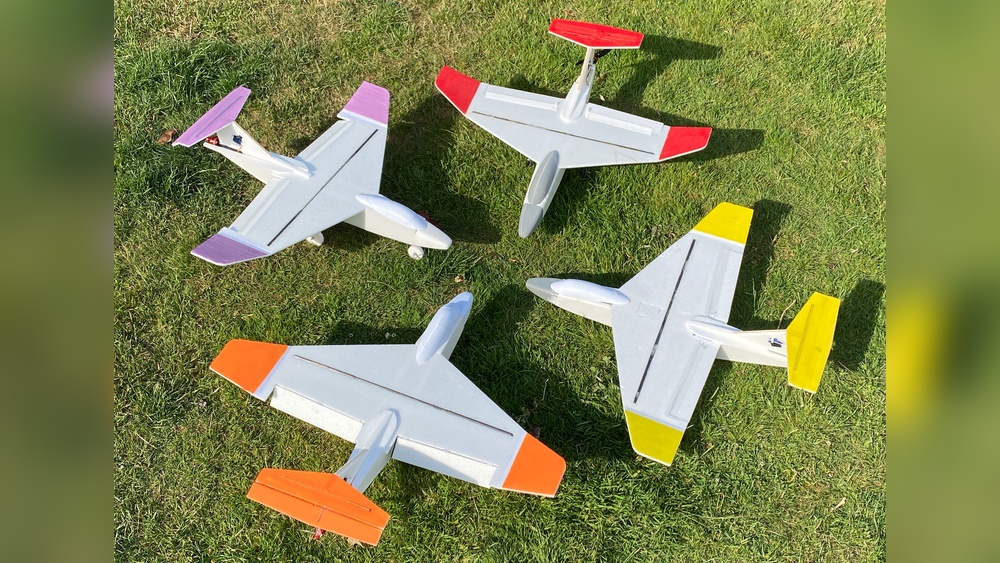
Building and flying radio-controlled (RC) airplanes is a hobby that combines creativity, engineering, and a love of flight. For many enthusiasts, designing and assembling a plane is just as enjoyable as flying it. Foamboard RC airplane plans free have become a popular starting point, especially for beginners and budget-conscious builders. With foamboard, you can create lightweight, durable aircraft for a fraction of the cost of traditional materials. Let’s explore how you can take advantage of these free plans, what you need to get started, and how to enjoy the process from building to flying.
Why Foamboard Is Perfect For Rc Airplanes
Foamboard, often called foam core or foam sheet, is a sandwich of foam between two sheets of paper or plastic. It is affordable, easy to cut, and very light. These qualities make it ideal for scratch-building RC airplanes. Most foamboard RC plans are designed for 20×30 inch sheets, commonly available at craft stores.
- Low cost: A single airplane can often be built from one or two foamboard sheets, costing just a few dollars.
- Easy repairs: Crashes are common in RC flying. Foamboard is simple to patch with glue or tape.
- Lightweight: Lighter planes fly slower and are easier to control, which is perfect for beginners.
- Simple tools: You don’t need fancy equipment—just a sharp knife, glue, and a ruler.
One non-obvious insight is that foamboard airplanes can be just as durable as balsa wood models if built and reinforced correctly. Some advanced builders even waterproof their planes for flying over water or in damp weather by sealing the foam edges with tape or clear varnish.
Understanding Free Foamboard Rc Airplane Plans
Free foamboard RC airplane plans are blueprints or templates you print and use to cut out the parts of your model. They often come as PDF files or vector images. Good plans include:
- Full-size outlines for each part
- Build guides with photos or diagrams
- Recommended electronics (motor, ESC, battery, servos, propeller)
- CG (center of gravity) instructions for proper balance
Some plans are “score and fold,” using simple foamboard bending techniques instead of complex curves. This makes building accessible, even for people with little workshop experience.
It’s important to know that not all free plans are equally detailed. Beginners should look for plans with clear step-by-step guides. Advanced builders may enjoy experimenting with minimal instructions.
Tools And Materials You Need
Before starting your first foamboard RC airplane, gather the right tools and supplies:
- Foamboard sheets (20×30 inch, 5mm thick is standard)
- Sharp hobby knife or box cutter
- Hot glue gun and plenty of glue sticks
- Metal ruler and cutting mat
- Tape (clear packing tape or reinforced tape for hinges)
- Printed plans (full-size)
- Electronics:
- Brushless motor (usually 2200–2300 KV for trainers)
- 20A ESC (electronic speed controller)
- 2–3 micro servos (9g)
- 2.4GHz transmitter and receiver
- 1000–1300mAh 3S LiPo battery
- Propeller (size depends on plane and motor)
- Pushrods (for control surfaces)
- Control horns and linkages
- Landing gear wire (optional)
For your first plane, buy a recommended electronics “kit” or use parts from an old RC model. This reduces the risk of incompatible parts.
Top Free Foamboard Rc Airplane Plans
There are hundreds of foamboard RC airplane plans available online. Here are some of the most popular and reliable free designs, ranging from beginner trainers to advanced park flyers.
- FT Simple Scout
- A classic high-wing trainer from Flite Test. Stable, easy to build, and ideal for first-time pilots.
- Uses basic box fuselage construction.
- Great for slow, forgiving flights.
- FT Mini Mustang
- A small, sporty plane inspired by the famous P-51 Mustang.
- Fast and agile, better for intermediate pilots.
- Compact size makes it portable.
- Spitfire by Flite Test
- Scale model of the legendary World War II fighter.
- Unique wing design gives smooth, stable flight.
- Excellent for learning aileron rolls and loops.
- Old Fogey
- Slow-flying, vintage-style plane with a thick, under-cambered wing.
- Perfect for relaxed park flying.
- Uses simple rudder and elevator control.
- Bloody Baron
- Compact, agile, and acrobatic. Can fly fast or slow.
- Great for learning aerobatics and combat flying.
- Simple rectangular wing and fuse.
- Nutball
- Round “flying wing” design.
- Fun, unusual flight characteristics—hovering and spinning tricks.
- Great for small fields.
- Mini Arrow
- Sleek, delta-wing plane for high-speed fun.
- Excellent for racing and slope soaring.
- Small parts require careful assembly.
- FT Tiny Trainer
- Converts from a basic glider to a powered trainer as you learn.
- Swappable nose lets you try different power options.
- Step-by-step build videos available.
- Explorer
- Large wingspan for stable, slow gliding.
- Good for aerial photography or FPV (first-person view).
- Handles wind well.
- Simple Cub
- High-lift, forgiving trainer based on the Piper Cub.
- Wide landing gear for rough fields.
- Easy to add floats or skis.
- FT Bushwacker
- STOL (short takeoff and landing) bush plane.
- Can fly from grass, gravel, or snow.
- Great for off-road RC adventures.
- Versa Wing
- Fast, strong flying wing.
- Excellent for slope soaring or FPV racing.
- Minimal parts, easy repair.
- FT Viggen
- Jet-style delta plane for advanced pilots.
- Can use EDF (electric ducted fan) for jet-like speed.
- Sleek and futuristic look.
- Baby Blender
- Biplane for classic, slow flying.
- Double wings mean tight turns and gentle landings.
- Good for experimenting with different paint schemes.
- FT Sea Duck
- Twin-motor amphibian inspired by the cartoon “TaleSpin.”
- Can take off from water or land.
- Stable and forgiving for twin-motor beginners.
- Simple Soarer
- Pure glider for slope or thermal flying.
- Teaches you about lift, thermals, and gentle controls.
- No motor required.
- FT Cruiser
- Twin-motor, medium-wing plane for carrying cameras or sensors.
- Stable in the air, handles wind.
- Great for learning twin-engine setup.
- FT Racer
- High-speed, low-wing pylon racer.
- Not for beginners, but thrilling for experts.
- Small ailerons for crisp control.
- FT Arrow
- Ultra-slim flying wing.
- Good for FPV and racing.
- Fast and maneuverable.
- FT Delta
- Simple, triangle-shaped wing.
- Fast build, fun to fly.
- Great for kids or quick projects.
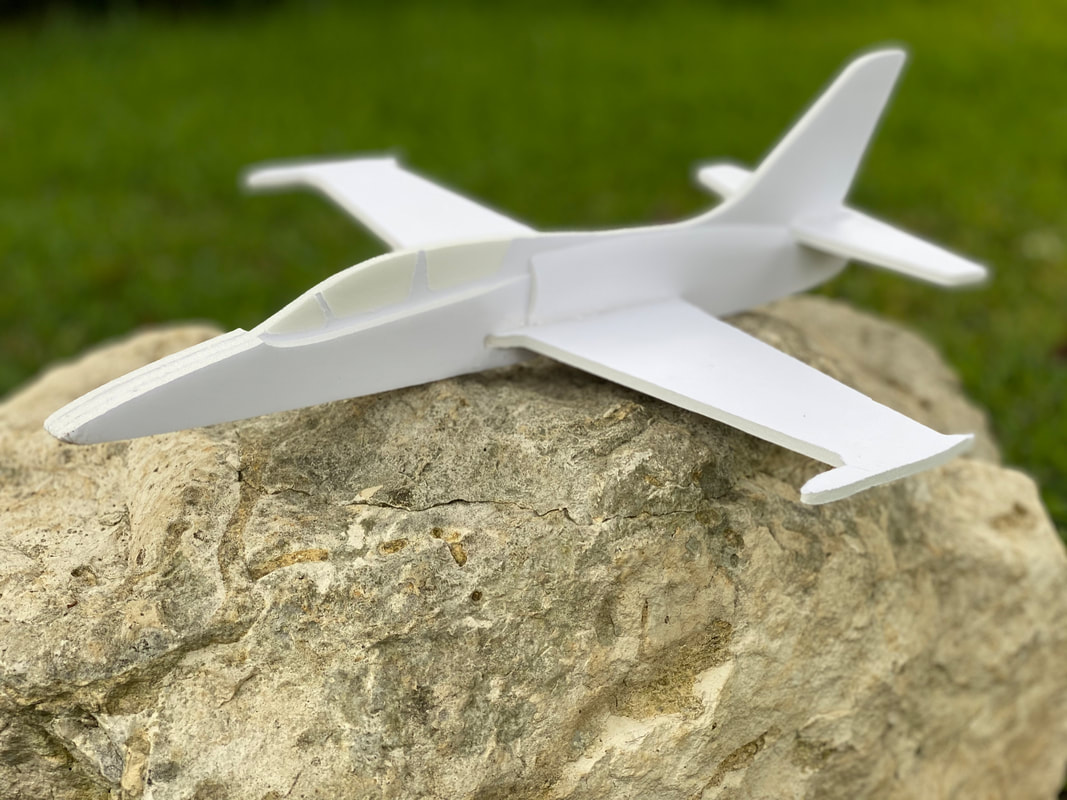
These plans are typically available from websites like Flite Test, Experimental Airlines, and RC Groups forums. Always check for the latest versions and community build threads for tips.
Credit: www.nerdnic.com
Comparing Popular Foamboard Rc Airplanes
To help you choose, here’s a quick comparison of four well-known foamboard RC airplanes:
| Model | Skill Level | Wingspan | Flight Style | Build Time |
|---|---|---|---|---|
| FT Simple Scout | Beginner | 37 in (940 mm) | Trainer/Slow | 2–3 hours |
| FT Mini Mustang | Intermediate | 24 in (610 mm) | Sporty/Fast | 2 hours |
| Old Fogey | Beginner | 38 in (965 mm) | Slow/Vintage | 2.5 hours |
| Bloody Baron | Intermediate | 30 in (760 mm) | Aerobatic | 2 hours |
Step-by-step: Building Your First Foamboard Rc Airplane
Getting started can feel overwhelming, but following these steps will help you succeed:
1. Choose The Right Plan
Pick a simple, stable design like the FT Simple Scout or Old Fogey for your first build. Avoid complicated warbirds or jets until you have flight experience.
2. Print And Prepare The Plans
- Download the PDF or image files.
- Print at full size (check that the scale matches).
- Tape the sheets together if needed.
- Cut out the paper templates.
3. Cut Out Foamboard Parts
- Place templates on foamboard, secure with pins or tape.
- Use a sharp knife and metal ruler for straight, clean cuts.
- Score (cut halfway) where folding is needed.
- Label each part to avoid confusion.
4. Assemble The Airframe
- Start with the fuselage, then wings, tail, and control surfaces.
- Use hot glue for quick, strong joints.
- Take your time to keep everything square and straight.
- Reinforce stress points with tape or extra glue.
5. Install Electronics
- Mount the motor, ESC, and battery in the nose.
- Install servos for ailerons, rudder, and elevator.
- Route pushrods from servos to control surfaces.
- Make sure all controls move freely and in the correct direction.
6. Set The Center Of Gravity (cg)
- Balance the plane as shown in the plan.
- Adjust battery position if needed.
- Incorrect CG is a common cause of crashes—don’t skip this step!
7. Final Checks
- Check all glue joints and tape for strength.
- Test electronics before your first flight.
- Make sure the propeller is tight and spins freely.
8. Maiden Flight
- Fly in a wide, open space with no wind.
- Ask an experienced pilot for help if possible.
- Use gentle, small controls at first.
- Expect to trim the controls for level flight.
One practical tip: Always build and fly with safety glasses, especially when running the motor. Propellers can be dangerous if you’re not careful.
Credit: unifi.com
Common Mistakes Beginners Make
Even with the best free plans, beginners often struggle with a few key issues:
- Not balancing the plane: If the CG is wrong, the plane will crash quickly.
- Too much glue: Excess glue adds weight and can deform foamboard.
- Forgetting control surface alignment: Misaligned ailerons or elevators make smooth flying impossible.
- Flying in strong wind: Foamboard planes are light and can be tossed around by gusts.
- Poor propeller choice: Using the wrong size or type can overheat the motor or reduce performance.
Another insight: Always check motor and ESC temperatures after your first flights. If they’re hot, you may need a smaller propeller or better cooling.
Where To Find Free Foamboard Rc Airplane Plans
Most plans are shared by hobbyists and designers who want to grow the RC community. Here are some trusted sources:
- Flite Test: The most popular source, with detailed instructions and videos.
- RC Groups: Forum with hundreds of user-submitted plans.
- Experimental Airlines: Focus on modular, durable foamboard designs.
- YouTube: Many builders post build-along videos and plan downloads.
You can find additional resources and tutorials at Flite Test Articles, which is an excellent place for both free plans and expert advice.
Upgrading And Modifying Your Foamboard Airplane
One advantage of building with foamboard is that you can modify and upgrade easily:
- Add lights for night flying.
- Install FPV cameras for first-person flying.
- Swap motors and props for more speed or longer flight times.
- Change the landing gear for different surfaces.
- Paint and decorate with markers, tape, or airbrush.
Experienced builders often reinforce high-stress areas with carbon fiber rods or skewers. This increases strength with almost no extra weight.
Troubleshooting: Why Isn’t My Foamboard Rc Plane Flying Well?
If your plane is not flying as expected, check these common causes:
- Poor balance: Adjust the battery or add weight to the nose/tail.
- Warped wings: Store foamboard flat and avoid moisture.
- Loose controls: Tighten all linkages and check servo mounts.
- Motor spinning backwards: Reverse two wires on the motor or change settings on your ESC.
- Wrong control direction: Double-check transmitter setup before takeoff.
If all else fails, ask for help on RC forums or local flying clubs. Most pilots are happy to help beginners.
Safety And Local Rules
Always fly in a safe area, away from people, roads, and power lines. Many countries require you to register your RC plane or follow specific guidelines. For example, the Federal Aviation Administration (FAA) in the USA has rules for model aircraft. Check your country’s regulations before flying.
Example: Building The Ft Simple Scout
Let’s walk through a real-world example—building the FT Simple Scout. This model is famous for its forgiving flight and sturdy construction.
Parts Needed
- 2 sheets of 20×30 inch foamboard
- Hot glue gun and sticks
- Hobby knife
- Tape
- 2–3 9g servos
- 2200–2300KV brushless motor
- 20A ESC
- 3S 1300mAh LiPo battery
- 6×4.5 propeller
- Receiver and transmitter
Build Steps
- Print and cut out the plan templates.
- Cut foamboard parts—fuselage, wings, tail, control surfaces.
- Score and fold as shown in the guide.
- Glue fuselage box, attach tail and wing.
- Install servos, run pushrods to rudder and elevator.
- Mount motor, ESC, and battery.
- Balance the plane at the CG mark.
- Test all controls.
- Fly in a wide open space.
On your first flight, keep the throttle low, and use gentle stick movements. The Simple Scout will “self-right” if you let go of the sticks—this is great for new pilots.
Advanced Projects: Going Beyond Free Plans
Once you master basic foamboard RC airplanes, you might want to:
- Design your own plane using free CAD software.
- Convert plans for larger or smaller foamboard sheets.
- Add flaps or retractable landing gear for realism.
- Try twin-motor or jet designs for more challenge.
Many builders share their custom designs online, so you can always find inspiration for your next project.
Cost Comparison: Foamboard Vs. Traditional Rc Airplanes
Is foamboard really cheaper? Here’s a quick look:
| Material | Cost per Airplane | Build Time | Repair Cost |
|---|---|---|---|
| Foamboard | $5–$10 | 2–3 hours | Very low (glue/tape) |
| Balsa Wood | $40–$80 | 10–20 hours | High (requires skill) |
| Pre-built ARF/RTF | $80–$200 | 0–1 hour (assembly) | Medium to high |
Clearly, foamboard is the best choice for affordable, crash-friendly fun.

Credit: www.youtube.com
Frequently Asked Questions
How Do I Know Which Foamboard Rc Plane Is Right For Me?
Start with a trainer or high-wing design like the FT Simple Scout or Old Fogey. These are stable and easier to fly. Choose a plan with clear instructions and community support. As you gain confidence, try faster or more complex planes.
Can I Use Regular Craft Foam Instead Of Foamboard?
No—regular craft foam is too flexible and weak for RC planes. Foamboard’s paper skins add strength and make precise cuts possible. For very light indoor models, some builders use depron foam, but plans may need adjusting.
How Long Do Foamboard Rc Airplanes Last?
A well-built foamboard plane can last months or even years if flown gently and stored dry. Crashes are easy to fix with glue or tape. However, foamboard can warp or weaken if left in humid conditions or direct sunlight.
What Electronics Do I Need For Most Free Foamboard Rc Airplane Plans?
Most plans need a brushless motor (2200–2300 KV), 20A ESC, 2–3 micro servos (9g), a 2.4GHz radio system, and a 3S LiPo battery (1000–1300mAh). Always check the specific recommendations in your plan.
Where Can I Find More Free Foamboard Rc Airplane Plans And Tutorials?
Websites like Flite Test, RC Groups, and YouTube have hundreds of free plans and video guides. For organized tutorials and a huge plan library, visit Flite Test Articles.
Foamboard RC airplane plans free make this exciting hobby more accessible than ever. With basic tools and a bit of patience, you can build, fly, and even design your own airplanes—without breaking the bank. Get started today, and discover the fun of scratch-building your own wings.