How Do You Pick the Right Pillow for Neck Pain
Imagine waking up refreshed, free from the nagging discomfort of neck pain. Sounds like a dream, right?
If you’ve been tossing and turning, struggling to find that perfect pillow, you’re not alone. The right pillow can be a game-changer, offering support, comfort, and relief. But with countless options on the market, how do you choose the best one for your needs?
This article will guide you through the essential steps to finding the perfect pillow for neck pain. Unlock the secrets to restful nights and pain-free mornings as you discover how simple tweaks can make a world of difference. Ready to transform your sleep experience? Let’s dive in!
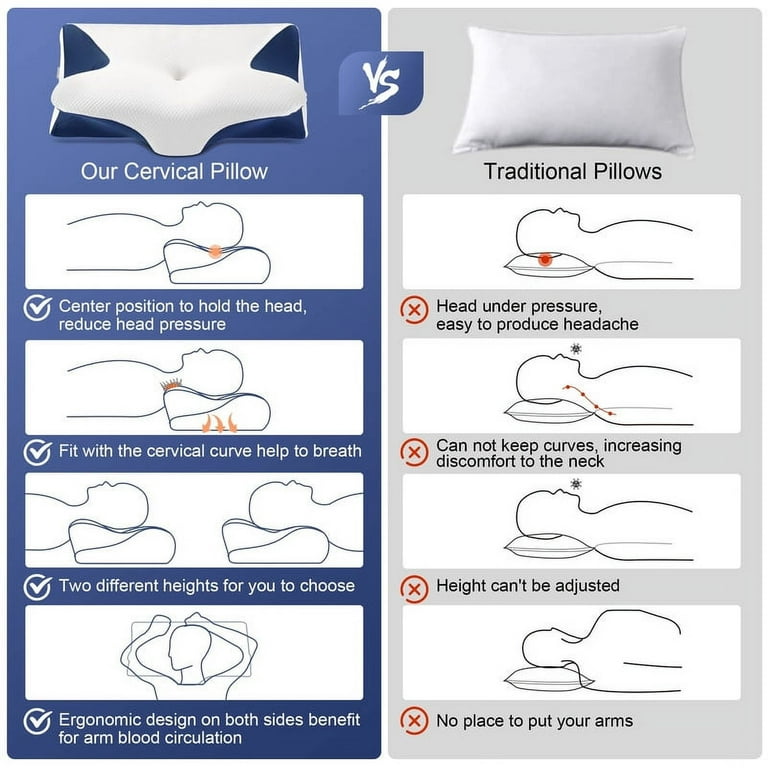
Credit: www.walmart.com
Importance Of Choosing The Right Pillow
Choosing the right pillow is crucial for neck health. A suitable pillow supports the neck and prevents pain. It ensures restful sleep and helps maintain proper alignment. The wrong pillow can worsen pain and lead to poor posture. Understanding the importance of a good pillow can transform sleep quality.
Why Neck Support Matters
Neck support is vital for spinal alignment. A pillow with adequate support keeps the head level with the spine. This alignment reduces pressure on the neck and shoulders. Without proper support, muscles strain to maintain position during sleep. The right pillow minimizes discomfort and promotes healing.
Impact On Sleep Quality
Pillow choice affects sleep quality directly. Comfort is key to undisturbed sleep. A well-chosen pillow reduces tossing and turning at night. This leads to deeper and more restorative sleep. Good sleep improves mood and energy levels throughout the day. Investing in the right pillow enhances overall health.
Adjustability And Custom Fit
Adjustable pillows offer a custom fit. They cater to individual preferences for firmness and height. Personalization ensures optimal comfort and support. Memory foam and adjustable fill types are popular options. These pillows adapt to unique body shapes and sleeping positions. Customization is essential for pain relief.
Materials For Comfort
Pillow materials impact comfort and durability. Memory foam contours to the body, offering personalized support. Latex is breathable and retains shape well. Natural materials like down provide softness but may lack support. Choose based on personal needs and preferences. Material selection is key for lasting comfort.
Common Causes Of Neck Pain
Neck pain can disrupt daily life and cause significant discomfort. Understanding its causes can help you choose the right pillow. Poor posture, injuries, and stress often lead to neck pain. Let’s explore these causes in detail.
Poor Posture
Poor posture is a leading cause of neck pain. Slouching while sitting or standing strains neck muscles. This can lead to chronic pain over time. Maintaining good posture is essential for neck health.
Injuries
Neck injuries can arise from accidents or sudden movements. Whiplash from car accidents is a common example. These injuries can cause severe neck pain and stiffness.
Stress And Tension
Stress affects both the mind and body. Tension from stress often settles in the neck and shoulders. This can lead to persistent pain and discomfort.
Sleeping Position
Your sleeping position significantly impacts neck health. Sleeping on your stomach can strain your neck. Side or back sleeping positions are generally better for neck support.
Types Of Pillows
Choosing the right pillow for neck pain involves knowing the types available. Memory foam pillows provide support and adapt to your neck shape. Latex pillows are firm and durable, offering consistent support. Feather pillows are soft and adjustable, allowing customization for comfort.
Choosing the right pillow can make a world of difference for neck pain sufferers. With so many options available, it might seem overwhelming. But understanding the types of pillows can guide you to the perfect choice for your needs.
Memory Foam
Memory foam pillows are popular for their ability to mold to your head and neck. This adaptability can provide support exactly where you need it. Have you ever woken up feeling like your pillow is working against you? Memory foam pillows might just be the solution to that problem.
Latex
Latex pillows offer a firmer feel and are naturally resistant to dust mites and mold. They hold their shape well, which can help maintain neck alignment throughout the night. If you’ve ever had a pillow that flattens over time, latex could be a durable alternative.
Feather
Feather pillows are soft and lightweight, allowing you to adjust them for comfort. They are often praised for their plush feel, but they might not provide enough support for everyone. Think about whether you prefer a pillow you can shape or one that maintains its form.
Buckwheat
Buckwheat pillows are filled with hulls that conform to your head and neck, providing customizable support. They’re breathable, which can be great if you tend to get hot at night. However, the rustling sound might be off-putting—consider trying one in a store before buying.
Water-based
Water-based pillows allow you to adjust the firmness by adding or removing water. They offer consistent support, which can be beneficial for neck pain relief. Is the idea of a pillow that adapts to your needs intriguing? Water-based pillows could be worth exploring. Each pillow type has its unique benefits and potential downsides. Consider your sleeping habits and personal preferences. Which type do you think could offer you the best night’s sleep?
Pillow Firmness And Support
Choosing the right pillow for neck pain can feel like navigating a maze. The key lies in understanding pillow firmness and support. These two elements determine how well your pillow can cradle your neck, offering relief and comfort. Let’s dive into the details of firmness and support to help you make an informed choice.
Soft Vs. Firm
When considering pillow firmness, think about your sleeping position. If you sleep on your side, a firmer pillow can provide the support needed to keep your spine aligned. A soft pillow might leave your neck hanging, causing more pain.
Back sleepers often prefer medium to firm pillows. They offer a balance that supports the natural curve of your neck. A soft pillow may not provide enough lift, leading to discomfort.
But what if you’re a stomach sleeper? A softer pillow might be your best bet. It prevents your neck from bending awkwardly. Yet, some stomach sleepers find firm pillows helpful, depending on personal preference.
Adjustable Options
Adjustable pillows can be a game-changer for neck pain. They allow you to customize the height and firmness to suit your needs. This flexibility can help you find the perfect balance of support and comfort.
Consider pillows with removable inserts or layers. You can add or remove these to achieve your ideal firmness. Some adjustable pillows also use materials like memory foam that contour to your shape.
Think about how your needs might change over time. An adjustable pillow offers versatility, adapting to different sleeping positions or preferences as they evolve. Are you ready to give your neck the relief it deserves?
In the quest for comfort, don’t forget to pay attention to your pillow’s firmness and support. It’s not just about a good night’s sleep but waking up pain-free and refreshed. The right pillow can make all the difference.
Pillow Height And Loft
Choosing the right pillow height and loft is essential for neck pain relief. The loft, or height, of a pillow affects how your head and neck align during sleep. A suitable pillow can prevent stiffness and discomfort by supporting proper spine alignment. Let’s explore the different loft options and their impact on your spine.
Low Loft
Low loft pillows measure under 3 inches in height. They are ideal for stomach sleepers. This height helps keep the neck in a neutral position. A low loft reduces strain on the neck and spine. Consider your preferred sleeping position when choosing a low loft pillow.
Medium Loft
Medium loft pillows range between 3 and 5 inches in height. They offer balance for side and back sleepers. This height supports the neck without lifting the head too high. Medium loft pillows help maintain a natural curve in the spine. They provide comfort without excessive tilt.
High Loft
High loft pillows exceed 5 inches in height. They best suit side sleepers needing more support. A high loft can help fill the gap between the head and shoulder. This prevents the neck from bending awkwardly. Ensure the pillow does not push the head too high, causing misalignment.
Understanding pillow height and loft ensures better sleep quality. Proper alignment reduces neck pain and improves overall rest. Choose the right loft based on your sleeping habits and comfort needs.
Sleeping Positions And Pillow Choice
Choosing the right pillow for neck pain can be tricky. Your sleeping position plays a big role. The wrong pillow can lead to discomfort and poor sleep. Let’s explore how different sleeping positions affect pillow choice.
Back Sleepers
Back sleepers need a pillow that supports the natural curve of the neck. A medium-loft pillow is often ideal. It keeps your head level with your spine. Look for pillows with memory foam or latex. These materials offer good support and comfort.
Side Sleepers
Side sleepers should aim for a firm and high-loft pillow. It helps keep the head aligned with the spine. This reduces neck strain and provides support. Consider pillows with adjustable fill. This allows you to find the perfect height and firmness.
Stomach Sleepers
Stomach sleepers need a thin, soft pillow. It keeps the neck from bending too much. A low-loft pillow is usually best. This position can strain the neck, so a soft pillow minimizes discomfort. Some stomach sleepers even choose no pillow at all.
Materials And Allergies
Choosing the right pillow for neck pain is not just about comfort—it’s about finding materials that suit your health and lifestyle. Allergies can complicate this decision. As you navigate the pillow aisle, think about the materials that will not only alleviate neck pain but also accommodate any allergies you might have. Let’s dive into some key considerations regarding materials and allergies.
Hypoallergenic Options
If you suffer from allergies, your pillow choice matters. Hypoallergenic pillows are designed to repel dust mites and other allergens. Look for pillows made from natural latex or memory foam, which tend to be hypoallergenic.
Consider pillows with covers made from bamboo or organic cotton. These materials are less likely to irritate sensitive skin. Have you ever woken up with a stuffy nose or itchy eyes? A hypoallergenic pillow might be your solution.
Breathability And Cooling Features
Material breathability can impact your neck pain. When pillows trap heat, they can cause discomfort, leading to tossing and turning. Pillows with cooling gels or ventilated designs can enhance airflow and keep your head cool.
Memory foam pillows often include cooling technology, offering relief from both neck pain and night sweats. Imagine resting your head on a pillow that feels fresh and cool all night long. Wouldn’t that improve your sleep quality?
When choosing a pillow, think beyond comfort. Ask yourself: Is this pillow addressing my allergy needs and providing the cooling features I desire? Selecting the right materials can make a significant difference in managing neck pain.
Testing And Trial Periods
Choosing the right pillow for neck pain involves testing different options during trial periods. This helps find the perfect fit for comfort and support. A good trial period allows you to experience how the pillow affects your sleep quality and neck alignment.
Choosing the right pillow to alleviate neck pain can feel daunting. The secret often lies in the testing and trial periods. These steps allow you to feel the pillow’s support and comfort firsthand, ensuring it meets your needs. Understanding the importance of these phases can help you make an informed decision. Let’s explore how you can use testing and trial periods to your advantage.
In-store Testing Tips
When visiting a store, don’t shy away from trying pillows. Lie down on a test bed if available, mimicking your usual sleeping position. Feel how the pillow supports your neck and head. Take your time. A quick squeeze won’t reveal if a pillow is right for you. Spend a few minutes with each option. Consider asking an associate for guidance. They often have insights into which pillows other customers with neck pain prefer.
Importance Of Trial Periods
Trial periods are a game-changer. They let you test the pillow in your own home, in your own bed. This is crucial because your body needs time to adjust to a new pillow. Look for brands offering at least 30-day trial periods. This gives you plenty of time to gauge comfort and support. Don’t hesitate to return a pillow if it doesn’t alleviate your neck pain. Your comfort is more important than sticking with a pillow that doesn’t work. Have you ever kept a product just because returning it felt like a hassle? Think of your neck health as a priority, not an inconvenience.
Maintenance And Longevity
Choosing the right pillow for neck pain involves more than comfort. Maintenance and longevity are key factors. A well-maintained pillow lasts longer and supports better. This section covers how to clean, care, and know when to replace your pillow.
Cleaning And Care
Regular cleaning keeps your pillow fresh and effective. Check the care label for washing instructions. Some pillows are machine washable. Others need spot cleaning. Use mild detergent to avoid damage. Dry pillows completely to prevent mold. Fluff your pillow daily. This helps maintain its shape and support.
When To Replace Your Pillow
Pillows don’t last forever. Replace them when they lose shape or support. A lumpy pillow affects your neck. Notice any changes in comfort. If neck pain returns, it may be time for a new pillow. Experts suggest replacing pillows every 1-2 years. This ensures consistent support and hygiene.
Expert Recommendations
Dealing with neck pain can be frustrating. Choosing the right pillow can make a difference. Experts often share invaluable recommendations. Their insights guide you to comfort and better sleep. Let’s explore what they suggest.
Material Matters
Pillow material impacts neck support. Experts suggest memory foam. It molds to your neck shape. This provides personalized support. Another option is latex. It’s durable and offers gentle support. Feather pillows are soft but may lack firmness. Consider your needs when choosing the material.
Firmness Levels
The right firmness level varies by individual. Experts recommend medium-firm pillows. They balance comfort and support. Soft pillows may cause neck strain. Too firm can be uncomfortable. Try different firmness levels. Find what feels best for your neck.
Height And Loft
Pillow height affects neck alignment. Experts advise considering your sleeping position. Back sleepers need medium loft. Side sleepers benefit from higher loft. Stomach sleepers should use low loft. Proper height prevents neck strain. It promotes healthy sleep posture.
Adjustable Options
Adjustable pillows offer flexibility. Experts suggest them for personalized comfort. You can add or remove filling. It suits different sleep positions. Adjustable pillows cater to changing needs. They are a versatile choice for neck pain relief.
Consult A Specialist
Sometimes expert advice is essential. Consulting a chiropractor or physical therapist helps. They assess your neck condition. Provide tailored pillow suggestions. Their guidance ensures optimal support. It can alleviate neck pain effectively.

Credit: www.pearllemonsales.com
Frequently Asked Questions
What Is The Best Pillow Type For Neck Pain?
The best pillow type for neck pain is typically memory foam. It contours to your neck and provides support. Look for adjustable options to customize firmness. Latex pillows are also a great choice for neck support. They offer durability and maintain shape while providing comfort throughout the night.
How Does Pillow Height Affect Neck Pain?
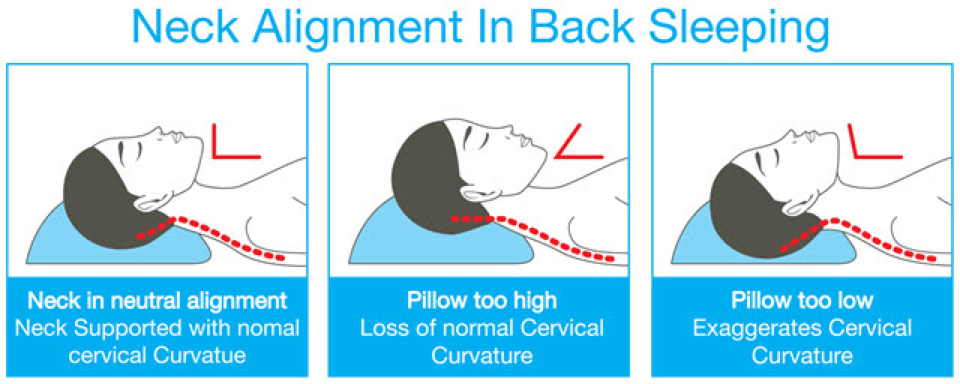
Pillow height directly impacts neck alignment. A pillow that’s too high or low can strain your neck. Aim for a pillow that keeps your neck in a neutral position. Adjustable pillows let you customize height for better support. Proper alignment helps relieve neck pain and improve sleep quality.
Can Sleeping Position Affect Neck Pain?
Yes, sleeping position significantly affects neck pain. Side sleepers need a pillow that supports neck and head alignment. Back sleepers benefit from a thinner pillow for proper neck support. Stomach sleeping is often discouraged due to neck strain. Proper pillow choice can alleviate pain based on sleep position.
How Often Should You Replace Your Pillow?
Replacing your pillow every 1-2 years is recommended. Over time, pillows lose shape and support, affecting neck health. Regular replacement ensures optimal support and hygiene. Consider signs like lumps, loss of shape, or discomfort as indicators for replacement. Fresh pillows contribute to better sleep and reduced neck pain.
Conclusion
Choosing the right pillow for neck pain is crucial. Your comfort depends on it. Take time to understand your needs. Consider pillow firmness and material. Think about your sleeping position. Try different options if needed. Remember, support is key for neck health.
A good pillow can improve sleep quality. It can also reduce pain and stiffness. Don’t rush your decision. Listen to your body. The perfect pillow can make a big difference. Invest in your well-being. Sleep better, live better.