How Many Yards in a Roll of Fabric: Unravel the Mystery
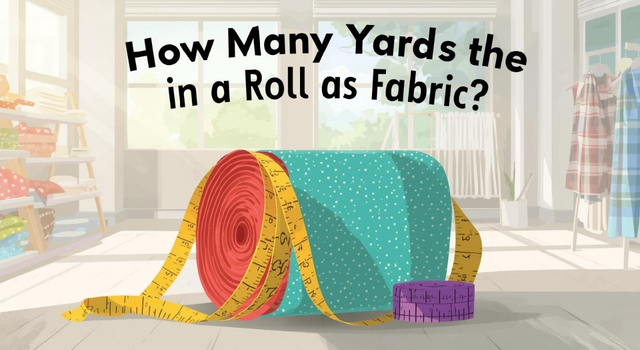
Ever found yourself standing in a fabric store, overwhelmed by the endless rolls of colorful materials, wondering just how many yards are in each one? You’re not alone.
This common question can make your fabric shopping experience feel like a guessing game, especially if you’re planning a project that requires precision. Understanding the yardage in a roll of fabric is crucial to ensuring you buy just the right amount for your sewing or crafting needs.
By the end of this article, you’ll have all the answers you need, saving you time, money, and preventing any mid-project panic. So, let’s unravel the mystery and make your next trip to the fabric store a breeze!
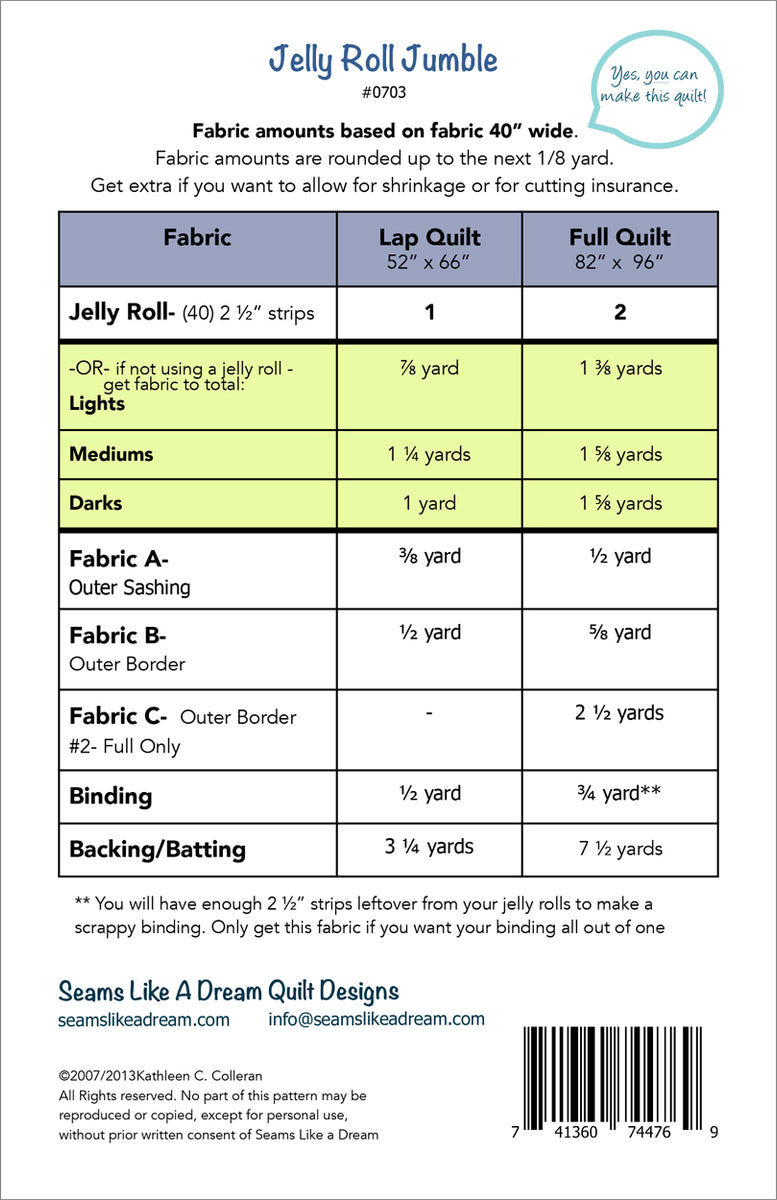
Credit: shop.katecollerandesigns.com
Fabric Rolls Explained
A roll of fabric typically ranges between 30 and 100 yards, depending on the material type. Quilting cotton often comes in 40-yard rolls, while upholstery fabric might be 50 yards. Fabric width also varies, influencing the total yardage you might need for projects.
When shopping for fabric, the concept of fabric rolls might seem straightforward, yet there’s more to it than meets the eye. Understanding how many yards are in a roll can significantly impact your crafting projects. Knowing the details can help you budget and plan effectively, ensuring that you have enough material without overspending.
What Is A Fabric Roll?
A fabric roll is a continuous piece of fabric wound around a cylindrical core. They come in varying widths and lengths. Typically, fabric rolls are used in both retail and wholesale scenarios, providing a practical way to store and transport fabric.
Standard Roll Sizes
Standard roll sizes can vary based on the type of fabric. For instance, quilting cotton often comes in rolls of 15 to 20 yards. Upholstery fabrics, on the other hand, may range from 30 to 60 yards. To get the most accurate information, always check with your supplier.
Why Roll Lengths Vary
The length of a fabric roll can differ due to several factors. Different manufacturers may have their own standards based on fabric type and intended use.
Additionally, special-order fabrics might come in custom lengths to suit specific project needs.
Planning Your Purchase
Before buying a roll of fabric, consider what you’re making. Measure your needs carefully. If you’re planning a large project, buying by the roll can be more cost-effective than purchasing smaller cuts.
Common Pitfalls
Don’t assume all roles are the same. A mistake I once made was buying a roll of fabric for a quilt, only to find it was upholstery fabric with a different texture and weight. Always double-check the fabric type and roll length before purchasing.
Practical Tips
- Check the Label: Always look for information about the fabric type, width, and length on the label.
- Communicate with Suppliers: If unsure, ask your supplier about the roll size and fabric quality.
- Sample First: If possible, purchase a small sample before committing to a full roll.
Understanding fabric rolls empowers you to make informed decisions. What projects have you planned that could benefit from this knowledge?
:max_bytes(150000):strip_icc()/how-much-fabric-do-you-need-for-project-getty-0623-f1bc19f0ce5547638c806dac5d4c294e.jpg)
Credit: www.marthastewart.com
Standard Yard Measurements
Fabric rolls can vary in length, typically ranging from 30 to 100 yards. The yardage depends on the type and purpose of the fabric. Knowing the standard measurement helps you plan for sewing projects effectively.
When purchasing fabric, understanding standard yard measurements is crucial. Fabric is typically sold by the yard, but how much fabric is in a roll can vary. Knowing these measurements helps you plan projects accurately and avoid running short.
What Is A Yard?
A yard is a unit of length that equals 36 inches. In fabric terms, it’s the standard measurement used in stores. You’ll often hear salespeople say, “This fabric is $10 per yard.”
Width Of Fabric Rolls
Fabric rolls come in various widths, which can affect how much fabric you need. Most commonly, fabric widths range from 44 to 60 inches. Wider fabrics may be ideal for larger projects like curtains or bedspreads.
Rolls of fabric aren’t all the same length. Standard rolls usually contain 40 to 100 yards of fabric. Checking the roll length before buying ensures you have enough for your project.
Impact Of Fabric Type
Different types of fabric might come in different roll lengths. Lightweight fabrics like cotton often have longer rolls compared to heavier textiles. Consider the fabric type to make sure you get the right amount for your needs.
Planning Your Purchase
Before heading to the store, measure your project area. Write down the dimensions so you can calculate how many yards you need. A little preparation saves time and money.
Personal Insight: Avoiding Mistakes
I once bought fabric without checking the roll length, thinking it was standard. Midway through sewing, I realized I was short by a few yards. That experience taught me always to verify measurements before purchasing.
Ask Yourself
Have you ever started a project only to find you didn’t have enough material? Understanding standard yard measurements helps prevent this frustration. Next time, double-check the roll length to ensure success.
By mastering these yard measurement basics, your next fabric project will go smoothly. Whether sewing clothes or crafting home decor, having the right amount of fabric is key.
Factors Affecting Roll Length
The length of a fabric roll is not set in stone. Several factors influence how many yards are in a roll. Understanding these factors helps in planning projects and managing resources efficiently.
Material Type
Different fabrics have different roll lengths. Natural fibers like cotton or linen may have shorter rolls. Synthetic fabrics such as polyester often come in longer rolls.
Heavier fabrics tend to have shorter rolls due to their thickness. Lightweight materials might offer more yards per roll.
Manufacturing Variations
Manufacturers produce fabric rolls using diverse methods. This leads to variations in roll length. Some factories might cut rolls longer or shorter based on machine settings.
Quality control and consistency differ among manufacturers. This affects the final yardage in each roll.
Intended Use
Fabric rolls are tailored for specific uses. Rolls intended for industrial use might be longer. Those designed for home sewing projects might be shorter. The purpose influences how much fabric is needed, impacting roll length. For upholstery, rolls could be shorter due to thicker fabric requirements.
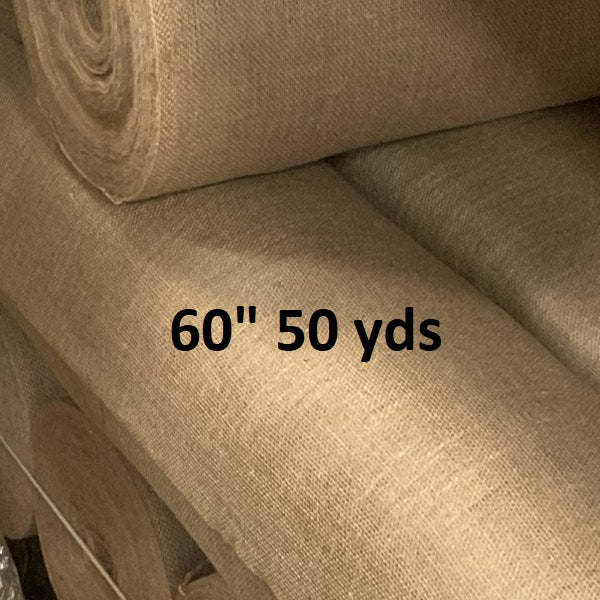
Credit: www.burlapsupply.com
Common Roll Lengths
Fabric rolls typically measure between 30 and 100 yards in length. The most common roll length is 40 yards. Ideal for various projects, these standard sizes help in planning and budgeting for fabric needs.
When you’re diving into a fabric project, knowing the common roll lengths is crucial. This not only helps in budgeting but also ensures you have enough fabric to bring your creative vision to life.
Imagine planning a project only to find you’re short on material—frustrating, right? Let’s take a closer look at the typical roll lengths you’ll encounter.
Retail Fabrics
In retail stores, fabric rolls usually range between 8 and 15 yards. This length is perfect for small projects like clothing or home décor.
If you enjoy strolling through fabric aisles, you’ll notice these rolls are manageable and easy to handle. You can even carry them home without much hassle, perfect for your weekend DIY project.
Wholesale Options
Wholesale fabric rolls are a different ball game. They often come in lengths of 50 to 100 yards. This is ideal for businesses or large-scale projects. If you run a small business, buying in bulk can be cost-effective. Imagine having enough fabric to fulfill multiple orders without frequent trips to the store.
Specialty Fabrics
Specialty fabrics, like upholstery or curtain materials, often have unique roll lengths. These can range from 30 to 50 yards. Such lengths cater to the specific needs of larger, custom projects.
When I was redecorating my living room, I found that these longer rolls were a lifesaver. It allowed me to match patterns across multiple pieces, creating a cohesive look. Choosing the right roll length depends on your project. Have you ever miscalculated and found yourself short on fabric? Understanding these common roll lengths can save you from that hassle.
Calculating Fabric Needs
Calculating fabric needs can be a daunting task for beginners. Understanding the length of fabric required is crucial for any sewing project. Whether you’re crafting a dress, curtains, or a quilt, knowing the yardage helps.
It ensures you buy just enough fabric and avoid waste. Let’s explore some key aspects to consider when determining your fabric needs.
Project Requirements
First, identify the specifics of your sewing project. What are you making? Different projects require different amounts of fabric. A skirt may need less fabric than a full-length gown.
Check pattern instructions for recommended yardage. Patterns often suggest how many yards you need based on size and style. Keep these requirements in mind when purchasing fabric.
Waste Considerations
Waste is inevitable in most sewing projects. Factor in fabric waste when calculating needs. Cutting errors and pattern mismatches can lead to waste.
Plan for an extra 10-15% of fabric. This buffer helps cover mistakes or adjustments. It ensures you have enough fabric without needing a second trip to the store.
Efficient Usage Tips
Maximize fabric use with smart cutting techniques. Lay out pattern pieces strategically on the fabric. This reduces waste and ensures efficient use. Consider using remnants for smaller projects. Scraps can be perfect for patchwork or small crafts. Efficient fabric use saves money and reduces waste.
Purchasing Strategies
Understanding how many yards are in a roll of fabric helps in planning purchases wisely. Typically, a fabric roll contains 30 to 100 yards. Knowing this can assist in budgeting and ensuring you buy enough material for your project.
Purchasing fabric can be an exciting yet overwhelming experience, especially when determining how many yards you need from a roll. Understanding the different purchasing strategies can save you time, money, and effort.
Whether you’re buying in bulk, taking advantage of seasonal sales, or choosing between online and in-store options, each approach has its own set of benefits and challenges.
Buying In Bulk
Buying fabric in bulk can be a game-changer for those who sew frequently or run a small business. Bulk purchases often come with discounts, making it a cost-effective strategy. Imagine the satisfaction of scoring a great deal on fabric for your next big project.
However, bulk buying means you need to plan. Do you have the storage space? Consider your future projects and ensure you’re not buying more than you can use.
Seasonal Sales
Seasonal sales offer a fantastic opportunity to get quality fabric at reduced prices. Stores often clear out inventory to make room for new collections, presenting a perfect chance to snag a bargain.
Keep an eye on holiday sales and end-of-season clearances. Have you ever walked into a store, found the perfect fabric on sale, and felt like you hit the jackpot? That’s the magic of timing your purchases.
Online Vs In-store
The digital age has made it easy to buy fabric online, offering convenience and a wider selection. Yet, there’s something irreplaceable about touching and feeling the fabric in-store. Online shopping allows you to compare prices and reviews with a few clicks.
But can you trust the screen to show the true color and texture? Visiting a store lets you experience the fabric firsthand, but it may require more time and travel. Each purchasing strategy has its strengths, depending on your needs and lifestyle. What approach aligns best with your fabric-buying habits?
Environmental Impact
Fabric production has a significant impact on the environment in various ways. Knowing how many yards are in a roll can help reduce waste. Understanding the impact can lead to better choices. From sourcing to disposal, every step counts.
Choosing fabrics wisely can make a difference. It can save resources and lessen environmental harm. Let’s explore how sustainable choices and fabric waste reduction can help.
Sustainable Choices
Opt for fabrics made from renewable sources. Organic cotton, hemp, and bamboo are great options. These fabrics need fewer chemicals. They also use less water during the production process.
Consider recycled materials. Recycled polyester and nylon are made from old plastic. This reduces waste and pollution. These choices support a cleaner planet.
Fabric Waste Reduction
Use every yard wisely to avoid waste. Plan projects carefully. Cut patterns with precision to use less fabric. Small scraps can be reused for smaller projects.
Donate leftover fabric. Many groups accept donations for community projects. This helps keep fabric out of landfills. It also supports people in need.
Encourage businesses to reduce waste. Ask brands to use eco-friendly practices. Support companies that prioritize sustainability. Together, we can make a positive impact.
Frequently Asked Questions
How Many Yards In Standard Fabric Roll?
A standard roll of fabric typically contains 40 to 100 yards. The exact length depends on the fabric type and manufacturer. Quilting fabrics often come in rolls of about 40 yards, while upholstery fabrics may have 50 yards or more.
Always check the specifications for precise measurements.
What Affects Fabric Roll Length?
Fabric roll length can vary based on the fabric’s thickness and intended use. Thicker fabrics often have shorter rolls due to their bulk. Manufacturers may also adjust roll lengths based on industry standards and customer needs. Always verify with the supplier for accurate information.
Are Fabric Rolls Uniform In Size?
Fabric rolls are not always uniform in size. Different manufacturers have varying standards for roll lengths. Factors like fabric type, market demand, and production processes can influence roll size. It’s important to check product descriptions or consult with suppliers for precise details.
How Do You Measure Fabric Roll?
To measure a fabric roll, use a tape measure along the length. Ensure the fabric is taut and flat for accuracy. Measure from the starting edge to the end, avoiding wrinkles. This gives the precise yardage available in the roll, crucial for project planning.
Conclusion
Understanding fabric measurements is key to any sewing project. A roll of fabric typically measures 40 to 100 yards. This varies depending on the type and supplier. Knowing the exact yardage helps in planning your project. Always check the label or ask the seller for details.
This ensures you buy enough fabric for your needs. Keep in mind, different fabrics might have different yardages. Being informed saves time and avoids frustration. So, next time you shop, remember these tips. Happy sewing!