Rc Helicopter Spinning Not Taking Off: Troubleshooting Tips 2025

Have you ever excitedly powered up your RC helicopter, only to watch it spin in circles instead of taking off into the sky? It’s frustrating.
You’re not alone; many enthusiasts face this perplexing issue. Technical problems should not overshadow the thrill of flying your helicopter. Imagine effortlessly guiding your RC helicopter to soar gracefully. Solving the spinning problem is easier than you might think, and we’re here to help you uncover the secrets to getting your helicopter airborne successfully.
Dive into this article to discover practical tips and tricks that will make your RC helicopter take off smoothly and keep spinning frustrations at bay!
Common Causes Of Spinning
RC helicopter spinning issues often arise from imbalance or incorrect rotor blade alignment. Faulty gyro settings can also cause instability, preventing smooth lift-off. Additionally, worn-out or damaged parts may hinder proper flight, resulting in frustrating spinning.
When your RC helicopter starts spinning wildly without taking off, frustration can quickly set in. You might wonder what’s causing this dizzying dance. Understanding the common causes of spinning can help you troubleshoot effectively and get your helicopter back in the air.
Imbalanced Rotor Blades
Check if your rotor blades are balanced. Unequal weight distribution can lead to instability. A simple way to assess this is by removing the blades and weighing them. If there’s a weight difference, you can try adding a small piece of tape to the lighter blade until they balance.
Incorrect Gyro Settings
Your helicopter’s gyro plays a crucial role in maintaining stability. Incorrect settings can result in uncontrollable spinning. Make sure your gyro is set up correctly according to the manufacturer’s instructions. Adjusting it slightly can often resolve spinning issues.
Damaged Tail Rotor
A damaged or malfunctioning tail rotor can also cause spinning. Inspect your tail rotor for any visible damage or obstruction. A quick fix might be as simple as cleaning it, or you may need to replace a damaged rotor. A weak or dying battery can lead to insufficient power reaching your helicopter’s systems.
This can cause erratic behavior, including spinning. Always ensure your battery is fully charged and in good health before flying.
Radio Interference
External signals can interfere with your helicopter’s controls. Consider where you are flying—are there nearby power lines or WiFi signals? Try changing locations or frequencies to see if the issue resolves. Flying an RC helicopter should be an exhilarating experience, not a frustrating one.
By identifying the root cause of the spinning, you can enjoy smooth flights. Have you checked these factors on your helicopter? Taking a little time to troubleshoot can make all the difference in your flying adventures.
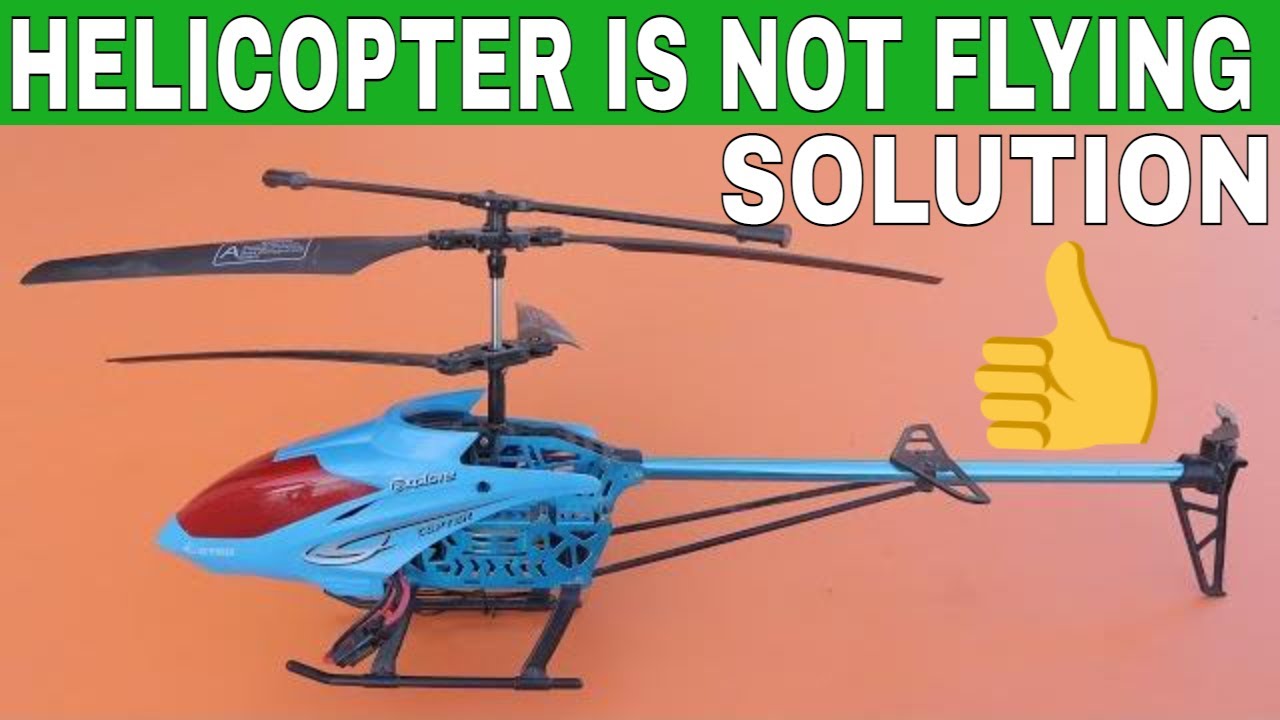
Credit: www.youtube.com
Battery Issues
Battery problems can cause your RC helicopter to spin without taking off. Understanding these issues is crucial for smooth flights. Let’s explore some common battery-related problems and solutions.
Battery Charge Level
Ensure the battery is fully charged before flying. A low charge can prevent lift-off. Use a reliable charger to confirm full battery capacity. Avoid flying with a partially charged battery.
Battery Health
Check the battery’s health regularly. Old or damaged batteries may not hold a charge well. Replace any battery showing signs of wear. Healthy batteries ensure optimal performance.
Correct Battery Connection
Inspect the battery connection to the helicopter. Loose connections can disrupt the power supply. Ensure the battery fits snugly in its compartment. Secure all connections before each flight.
Battery Type Compatibility
Use the correct battery type for your helicopter model. Incompatible batteries can cause issues. Refer to the helicopter’s manual for recommended battery types. This ensures safe and effective operation.
Storage And Maintenance
Store batteries in a cool, dry place. Avoid extreme temperatures that can affect battery life. Clean the battery contacts regularly. Proper storage and maintenance extend battery lifespan.
Rotor Blade Imbalance
Rotor blade imbalance is a common issue that can cause your RC helicopter to spin without taking off. This imbalance can disrupt the lift and stability required for a smooth flight. When the rotor blades are not evenly balanced, you might experience erratic movements and a failure to achieve proper elevation.
What Causes Rotor Blade Imbalance?
There are several reasons why your rotor blades might be out of balance. A common cause is uneven wear and tear. If one blade is more worn than the other, it can affect the helicopter’s ability to lift off. Another factor could be improper installation, where the blades are not aligned correctly.
How To Detect Rotor Blade Imbalance
Detecting imbalance can be simple. You might notice your helicopter vibrating excessively during flight attempts. Listen for unusual sounds, as these can indicate the blades are struggling to maintain stability. A visual inspection might reveal one blade sitting higher than the other.
Steps To Fix Rotor Blade Imbalance
- Check for Damage: Inspect each blade for cracks or chips. Replace damaged blades immediately.
- Balance the Blades: Use a blade balancing tool. This ensures each blade weighs the same and sits at the correct angle.
- Adjust Blade Alignment: Make sure both blades are aligned evenly. Adjust the blade holder if necessary.
Why Regular Maintenance Matters
Maintaining your RC helicopter regularly can prevent rotor blade imbalance. Routine checks ensure your blades are in top condition. This not only enhances performance but also prolongs the life of your helicopter.
Final Thoughts: Is Your Helicopter Ready For Takeoff?
Reflect on your helicopter’s readiness. Are the blades balanced and damage-free? Addressing rotor blade imbalance might be the simple fix you need. Are you prepared to see your helicopter soar successfully?

Credit: www.amazon.com
Motor Malfunctions
Motor malfunctions can cause your RC helicopter to spin but not take off. Understanding these issues is crucial for smooth flying experiences. Whether it’s a faulty motor or improper wiring, addressing motor problems is key.
Motor Overheating
Overheating is a common motor issue. It can happen due to prolonged use. Motors need cooling intervals between flights. Check for signs of overheating regularly. Warm motors can affect performance and lead to spinning.
Faulty Wiring
Wiring problems can disrupt motor functions. Inspect the connections for wear or damage. Loose wires may cause erratic spinning. Ensure all cables are securely connected. Proper wiring enhances flight stability.
Damaged Motor Parts
Motor parts can wear over time. Check for damaged gears or bearings. Worn parts can hinder motor efficiency. Replace damaged components promptly. Keeping parts in good condition aids in smooth take-offs.
Motor Calibration Issues
Calibration is crucial for motor performance. Improper calibration may lead to spinning. Regularly calibrate your helicopter’s motor. Follow the manufacturer’s guidelines for calibration. Accurate calibration supports steady flight.
Gyro Calibration
Gyro calibration is crucial for RC helicopters. Proper calibration ensures stable flight. Without it, your helicopter may spin uncontrollably. This can prevent takeoff. Understanding gyro calibration can help resolve these issues. Let’s explore the essentials of gyro calibration.
Understanding The Role Of The Gyro
The gyro helps maintain balance. It detects movement and adjusts the rotor blades. This keeps your helicopter steady. If your helicopter spins, the gyro may be off. A well-calibrated gyro improves flight stability.
Signs Of Poor Gyro Calibration
An improperly calibrated gyro causes spinning. The helicopter may drift sideways. You might notice unstable hovering. These signs indicate calibration issues. Address them for better control and flight experience.
Steps To Calibrate The Gyro
First, power on the helicopter. Place it on a flat surface. Wait for the gyro to stabilize. Follow the manual’s instructions. This often involves resetting the gyro. Recheck for any spinning issues after calibration.
Common Mistakes To Avoid
Avoid calibrating on uneven surfaces. Do not move the helicopter during calibration. Ensure the battery is fully charged. Missteps can lead to poor calibration. Proper steps ensure effective gyro adjustment.
Importance Of Regular Calibration
Regular calibration maintains flight performance. Over time, settings can drift. Routine checks prevent spinning problems. This enhances the helicopter’s lifespan. Consistent maintenance is key to safe flights.

Credit: www.droneybee.com
Transmitter And Receiver Problems
RC helicopter enthusiasts often face challenges with helicopters not taking off. One common issue is transmitter and receiver problems. Ensuring these components function correctly is crucial for a successful flight.
A malfunction can cause the aircraft to spin without taking off. Understanding these issues will help you troubleshoot effectively.
Transmitter Battery Health
The transmitter battery must be charged fully. A weak battery can cause signal issues. Always check battery levels before flying. Replace old batteries to ensure proper function.
Receiver Signal Interference
Signal interference can prevent proper communication. Nearby electronic devices can disrupt signals. Fly in an open area free of obstacles and electronics. This reduces interference and improves performance.
Frequency Mismatch
The transmitter and receiver must be on the same frequency. A mismatch leads to communication failure. Check the frequency settings on both devices. Adjust them to match each other precisely.
Transmitter Calibration
Calibrating the transmitter ensures accurate control. Misalignment can cause erratic helicopter behavior. Follow the manufacturer’s instructions for calibration. Regular calibration improves flight stability.
Receiver Antenna Position
The receiver antenna should be positioned correctly. Incorrect placement can weaken the signal. Ensure the antenna is unobstructed and extends properly. This maximizes signal strength and range.
Tail Rotor Concerns
Tail rotor issues can cause RC helicopters to spin uncontrollably, hindering lift-off. Proper maintenance of the tail rotor and checking for mechanical faults can address these concerns. Ensuring balanced rotor blades and adjusting the gyro settings may also help stabilize the helicopter for a smooth takeoff.
When your RC helicopter starts spinning but fails to take off, it can be frustrating and puzzling. One of the most common culprits behind this issue is the tail rotor. The tail rotor plays a crucial role in stabilizing your helicopter, preventing it from spinning uncontrollably.
Understanding the importance of the tail rotor and how to address any concerns is essential to getting your RC helicopter flying smoothly again.
Understanding The Role Of The Tail Rotor
The tail rotor counteracts the torque produced by the main rotor. This keeps your helicopter stable and prevents it from spinning. If there’s an issue with the tail rotor, your helicopter might spin in circles, struggling to lift off. Ask yourself: Is the tail rotor functioning properly? A misaligned or damaged tail rotor can cause significant issues.
Common Tail Rotor Issues
Several factors can affect the tail rotor’s performance. Damage, misalignment, or even dirt accumulation can lead to problems. Check for physical damage on the tail rotor.
Even a small crack or bend can disrupt its function. Is the tail rotor spinning at the correct speed? An imbalance in speed can cause the helicopter to spin without taking off.
Adjusting The Tail Rotor
Fine-tuning the tail rotor can make a big difference. Ensure it’s properly aligned with the rest of the helicopter. Use your RC transmitter to adjust the tail rotor’s trim settings. This can help correct any spinning issues. Experiment with minor adjustments. Sometimes, a slight change is all it takes to restore balance.
Maintenance Tips For Tail Rotor
Regular maintenance is key to preventing tail rotor issues. Clean the rotor frequently to remove dust and debris. Inspect the rotor for signs of wear and tear. Replace parts as needed to ensure optimal performance. Engage with your RC helicopter. The more you understand its mechanics, the better you’ll be at troubleshooting issues.
Does your helicopter still spin after following these steps? It might be time to seek professional help or consult your helicopter’s manual for specific advice.
Remember, understanding the tail rotor’s role and maintenance can significantly improve your flying experience. Keeping a keen eye on these details ensures that your RC helicopter is always ready for take-off.
Environmental Factors
RC helicopters might spin without taking off due to environmental factors. Windy conditions can destabilize them. Uneven surfaces can also hinder smooth takeoff. Adjusting for these factors can improve performance.
When your RC helicopter spins without taking off, environmental factors might be the hidden culprit. Understanding these elements can make or break your flying experience.
It can be frustrating to watch your helicopter whirl around on the ground when all you want is to see it soar. Identifying and managing these factors can help you get airborne smoothly.
Wind Conditions
Wind can be a significant obstacle for RC helicopters. Even a gentle breeze can overpower the small rotors, preventing lift-off. Always check the weather forecast before heading out. If you notice your helicopter spinning more than usual, consider flying on a calmer day.
Surface Type
The surface where you attempt to lift off matters. A stable, flat surface provides the best chance for a successful takeoff. Grass or gravel can cause imbalance, leading to the dreaded spin. Opt for pavement or a launch pad designed for RC helicopters.
Temperature And Humidity
Temperature and humidity affect air density, which impacts flight dynamics. Cold air is denser, providing more lift. On hot, humid days, your helicopter might struggle more to rise—experiment with flying at different times to see what conditions work best.
Altitude
Flying at high altitudes can be tricky due to thinner air. This reduces rotor efficiency, making lift-off challenging. If you’re in a mountainous area, consider adjusting your helicopter’s settings to compensate for lower air pressure.
Obstacles And Terrain
Nearby obstacles like trees and buildings can disrupt airflow. This interference might cause unexpected spins or turbulence. Choose an open area free of obstructions to give your helicopter the best chance of a clean takeoff.
Have you encountered any unexpected environmental challenges while flying your RC helicopter?
Taking a moment to assess your surroundings can make a world of difference. Your next flight could be your smoothest yet with a few simple adjustments.
Preventive Maintenance Tips
Preventive maintenance is crucial for keeping your RC helicopter in top shape. Regular checks can prevent issues like spinning without taking off. Following a few simple tips can ensure smooth flights and a longer lifespan.
Inspect The Rotor Blades
Check rotor blades for any visible damage or wear. Cracks or chips can affect lift and balance. Replace damaged blades promptly to avoid further issues.
Check The Battery Health
Ensure the battery is fully charged and in good condition. A weak battery can cause spinning and reduce lift. Regularly check connections for corrosion or damage.
Examine The Motor
Inspect the motor for dust or debris buildup. Clean the motor regularly to maintain efficiency. A clean motor provides better performance and consistent power.
Assess The Gear System
Examine the gear system for any signs of wear. Misaligned gears can lead to spinning issues. Ensure gears are properly aligned and lubricated for smooth operation.
Test The Remote Control
Verify the remote control signals are reaching the helicopter. Interference or weak signals can affect control. Ensure the antenna is intact and no obstacles block the signal.
Review The Calibration Settings
Check the calibration settings of your helicopter. Incorrect settings can lead to imbalance and spinning. Reset calibration if necessary to ensure proper flight dynamics.
Frequently Asked Questions About RC Helicopter Spinning Not Taking Off
Why Is My RC helicopter spinning?
Your RC helicopter may spin due to gyro issues or uneven rotor speed. Check the gyro settings and ensure the main and tail rotors are correctly balanced. Tighten any loose screws and verify the battery is fully charged for optimal performance.
How To Fix an RC Helicopter Not Taking Off?
Ensure the battery is fully charged and check rotor blades for damage. Verify that the servos are functioning correctly and adjust the throttle settings. Make sure the helicopter is on a flat surface for stable lift-off.
What Causes RC Helicopter Instability?
Instability can be caused by improper gyro calibration or uneven rotor blades. Ensure the gyro is correctly calibrated and check for any damage to the rotor blades. Adjust balance weights if necessary to improve stability during flight.
Can Wind Affect RC Helicopter Performance?
Yes, wind can significantly impact RC helicopter flight. Strong winds can cause instability and make it difficult to control. It is best to fly in calm weather conditions to ensure the safe and smooth operation of your RC helicopter.
Conclusion
Fixing an RC helicopter’s spinning issue takes patience. Start by inspecting the rotor blades. Ensure they’re balanced and aligned correctly. Check the battery; it should be fully charged. Examine the tail rotor for any damage or misalignment. Tighten loose screws and parts.
Adjust settings on the remote control carefully. Seek advice from online forums or user manuals if needed. With these tips, you can solve the problem efficiently. Enjoy smooth flights and thrilling aerial adventures with your RC helicopter. Happy flying!