Soft And Sweet Dinner Milk Rolls Recipe: Fluffy Perfection
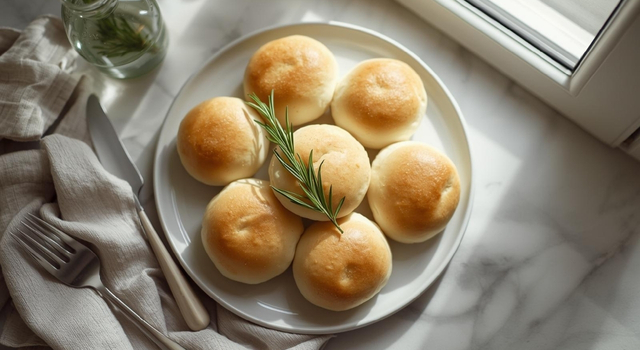
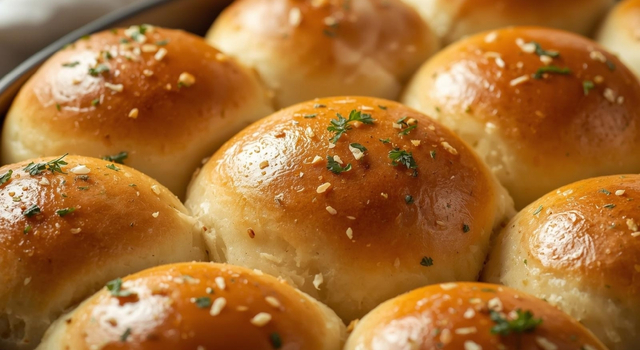
Imagine the aroma of freshly baked rolls wafting through your kitchen, inviting everyone to gather around the table. These soft and sweet dinner milk rolls are not just a side dish; they are a comforting embrace for your taste buds and a delightful addition to any meal.
Have you ever wished for that perfect blend of softness and sweetness in your homemade bread? With this recipe, you can achieve exactly that, turning an ordinary dinner into a memorable occasion. Whether you’re hosting a family dinner or simply craving some homemade goodness, these rolls promise to be the highlight of your table.
Dive into the simplicity and satisfaction of baking your own bread, and discover the little secrets that make these milk rolls irresistibly delicious. Are you ready to create a warm and welcoming experience for yourself and your loved ones? Let’s get baking!
Ingredients List
Creating soft and sweet dinner milk rolls requires simple ingredients. Each ingredient plays a crucial role in flavor and texture. This list ensures your rolls are fluffy and delightful.
Flour
Begin with all-purpose flour. It’s the base for your rolls. Ensure it is fresh for the best results.
Milk
Use whole milk for a rich taste. Warm it slightly to activate the yeast effectively.
Sugar
Add granulated sugar for sweetness. It balances the flavors and aids in browning.
Butter
Unsalted butter is ideal. It adds richness and a tender texture to the rolls.
Yeast
Choose active dry yeast. It helps the rolls rise and become fluffy.
Salt
Salt enhances the overall flavor. It balances the sweetness and adds depth.
Eggs
Add one large egg. It provides structure and moisture to the dough.
Optional Toppings
Brush with melted butter after baking. Sprinkle with sesame seeds for extra flavor.
Preparation Steps
Preparing soft and sweet dinner milk rolls starts with careful steps. These steps ensure the perfect texture and taste. Follow them closely for the best results.
Mixing The Dough
Begin by gathering all ingredients. Use a large bowl to mix them. Combine milk, sugar, and yeast. Let it sit until foamy. This activates the yeast. Stir in butter and salt. Gradually add flour. Mix until a dough forms.
Use a spatula or wooden spoon for mixing. Ensure all ingredients are well combined. The dough should be slightly sticky.
Kneading Techniques
Transfer the dough to a floured surface. Start kneading with your hands. Use the heel of your hand to push the dough away. Fold it back over itself. Repeat this process for 8 to 10 minutes. The dough should become smooth and elastic.
If too sticky, sprinkle with flour. But avoid adding too much. Too much flour makes rolls dense. Kneading develops gluten. This gives rolls a soft texture.
First Rise
The first rise is a crucial step in baking soft and sweet dinner milk rolls. It’s when the dough begins to develop flavor and texture. Achieving the perfect rise involves understanding the conditions and timing. Let’s explore how to ensure an ideal first rise.
Optimal Rising Conditions
The dough needs a warm, draft-free environment. A temperature around 75°F to 80°F is perfect. This helps the yeast activate and work effectively.
Cover the bowl with a damp cloth or plastic wrap. It maintains moisture and prevents crust formation. Place the dough in a spot away from windows or vents. This avoids temperature fluctuations.
Timing Guide
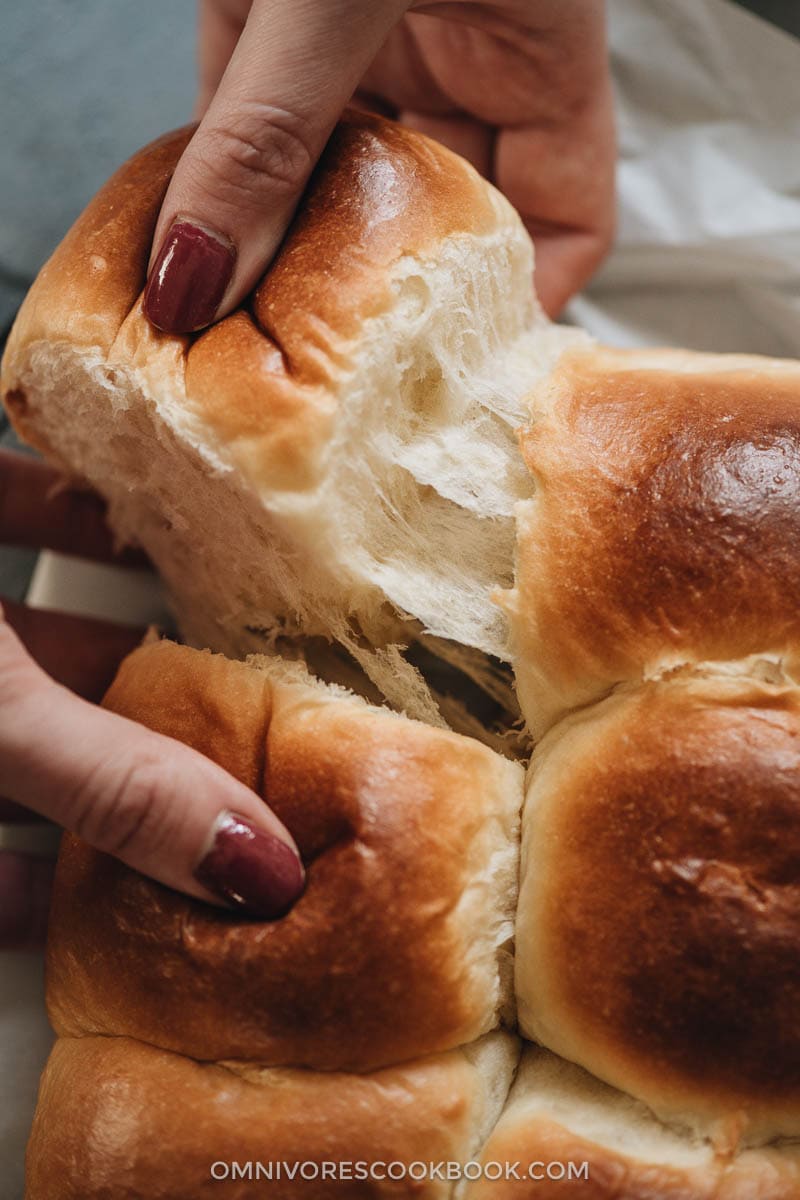
The first rise usually takes about one to two hours. The dough should double in size during this time. Check after an hour for progress. If the dough hasn’t risen enough, allow more time.
Over-rising can result in a sour taste, so monitor closely. A gentle poke test helps: if the dough springs back slowly, it’s ready.
Credit: omnivorescookbook.com
Shaping The Rolls
Creating perfectly soft and sweet dinner milk rolls requires skillful shaping. This step ensures your rolls bake evenly and maintain a delightful texture.
Shaping the rolls is an art, focusing on forming the dough balls and arranging them on the baking tray. Let’s delve into these steps for achieving those fluffy delights.
Forming The Dough Balls
Start with your prepared dough. Divide the dough into equal portions. Each piece should be about the size of a small lemon. Take one portion in your hand. Gently roll it between your palms.
Aim for a smooth, round shape. This helps the rolls rise uniformly. Repeat for each dough piece. Consistency in size is key to even baking.
Arranging On Baking Tray
Once shaped, place the dough balls on a baking tray. Line the tray with parchment paper for easy cleanup. Arrange the balls with space between each one. This allows them to expand while baking. Avoid overcrowding the tray. Overcrowding leads to uneven baking. Leave at least an inch between each roll.
Cover the arranged rolls with a clean towel. Let them rise in a warm place. This step is crucial for achieving soft, fluffy rolls. Patience is essential here. Your effort will be rewarded with perfect, soft, sweet dinner rolls.
Second Rise
The second rise in bread-making is crucial. It helps develop a soft texture and enhances flavor. This stage allows the dough to become airy and light. It is essential for achieving that perfect dinner roll.
Creating A Fluffy Texture
The second rise is key to fluffiness. During this time, yeast produces gas. This gas gets trapped in the dough, creating small pockets. These pockets give the rolls their tender and airy texture. Make sure the dough is in a warm place. A consistent temperature encourages yeast activity. This results in soft, fluffy rolls.
Cover the dough with a damp cloth. This keeps it from drying out. A dry surface can hinder proper rising. The dough should double in size during this rise. Be patient. Rushing this step can affect texture.
Perfecting The Size
The second rise also perfects the size of each roll. Proper rising ensures even cooking. It also helps each roll maintain a uniform shape. Divide the dough into equal portions. Use a scale for accuracy. Shape each portion into a ball.
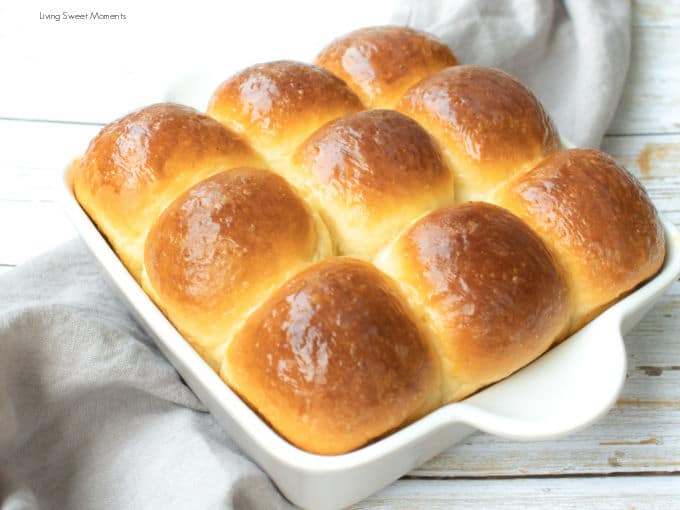
Place them on a baking sheet, spaced evenly. This allows them to expand without sticking. The rolls will rise and touch slightly. This gives them soft sides when baked. Let them rise until they double in size again. A gentle touch should leave a slight indentation.
Remember, patience is key. A well-executed second rise leads to delightful, sweet dinner rolls.
Credit: livingsweetmoments.com
Baking Instructions
Baking soft and sweet dinner milk rolls is a delightful experience. These rolls fill your kitchen with a warm, inviting aroma. Follow the instructions carefully to achieve the perfect texture. Let’s dive into the baking process.
Temperature Setting
Preheat your oven to 375°F (190°C). This temperature is perfect for even baking. Make sure your oven reaches the right temperature before placing the rolls inside. A consistent temperature ensures the rolls bake properly.
Baking Duration
Place the rolls on the middle rack of your oven. Bake them for 15 to 20 minutes. Keep an eye on their color. They should turn golden brown on top. Avoid opening the oven too often. This helps maintain the temperature and allows the rolls to rise perfectly.
Cooling And Serving
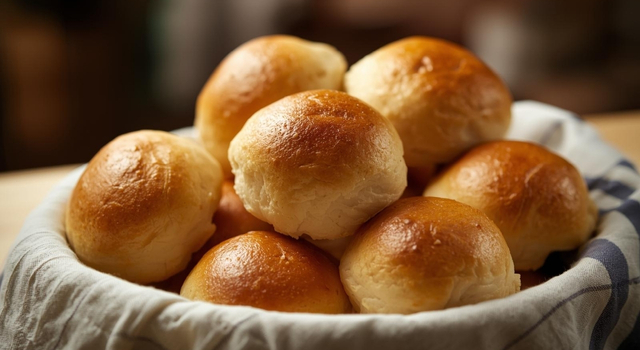
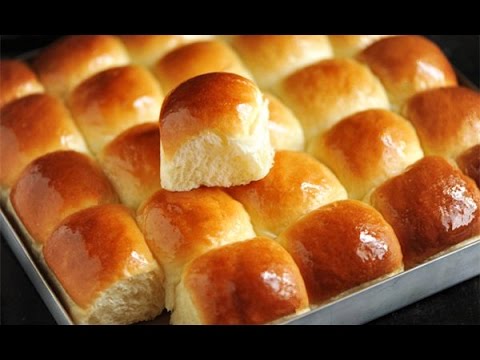
Savor the delightful taste of soft and sweet dinner milk rolls. These rolls cool quickly, making them perfect for serving warm. Enjoy their fluffy texture and light sweetness at any meal.
Cooling and serving your freshly baked soft and sweet dinner rolls is a crucial step that can elevate your dining experience. These rolls are best enjoyed when they have reached the right temperature and are served with the perfect accompaniments.
Let’s dive into some practical tips and suggestions to ensure your rolls are a hit at the dinner table.
Cooling Tips
Allow the rolls to rest on a wire rack after baking. This helps prevent the bottoms from becoming soggy by allowing air to circulate them. If you’re in a rush, you might be tempted to skip this step. But taking a few minutes can make a noticeable difference in texture.
Have you ever tried tasting a roll that’s still too hot? The flavors might not be fully developed, and you could miss out on that sweet, buttery perfection.
Serving Suggestions
Serve your rolls warm for the best taste and texture. A quick reheat in the oven can help if they’ve cooled too much. Consider setting out a small platter of soft butter, jam, or honey.
These additions can enhance the sweetness and make the meal feel more personalized. Think about pairing your rolls with a hearty soup or stew. This can create a comforting, satisfying meal that your family will remember.
Are there any unique ways you enjoy your dinner rolls? Sharing your experience could inspire others to try something new.
Credit: www.youtube.com
Troubleshooting Common Issues
Experiencing dense rolls instead of soft ones? Check yeast freshness and dough rising time. Struggling with sticky dough? Adding flour gradually can help. For uneven baking, adjust oven temperature and placement. Perfecting these milk rolls requires attention to detail and patience.
Baking can be a delight, especially when you’re crafting soft and sweet dinner rolls. However, you might face a few common issues that can turn your fluffy rolls into a dense or overbaked disappointment. Don’t worry! Troubleshooting these problems can be simple with a few handy tips.
Dense Rolls Solution
Dense rolls can be a letdown when you’re expecting a light, airy texture. This issue often arises from incorrect yeast usage or insufficient kneading. Ensure your yeast is fresh. Old yeast won’t activate properly, leaving your rolls heavy.
Use warm—not hot—water to activate your yeast, as extreme temperatures can kill it. Kneading is crucial. It develops gluten, giving your rolls structure. Knead the dough until it’s smooth and elastic.
If you’re unsure, perform the windowpane test: stretch a small piece of dough into a thin sheet without tearing. If it holds, you’re good to go.
Avoiding Overbaked Rolls
Overbaked rolls can be hard and dry, far from the soft delight you desire. Timing and temperature are key here. Use an oven thermometer to ensure accurate baking temperatures. Oven dials can be misleading, leading to unexpected results. Keep an eye on your rolls as they bake.
They should be golden brown, not dark brown. You can also tap them lightly; they should sound hollow when done. Consider your oven’s unique quirks. Some ovens have hot spots, which can overbake one side of the tray. Rotate the baking sheet halfway through to ensure even baking. Have you ever faced these issues while baking?
Don’t let them discourage you. Each batch is a learning opportunity, bringing you closer to the perfect dinner rolls every time.
Frequently Asked Questions
What Makes Dinner Milk Rolls Soft?
Dinner milk rolls are soft due to the milk content. Milk adds moisture and tenderness to the dough. It helps create a fluffy texture. The fats in milk also contribute to a softer crumb. Kneading the dough well ensures the rolls stay soft and airy.
How To Achieve Sweet Flavor In Rolls?
To achieve a sweet flavor, add sugar to the dough. Sugar balances the savory taste of dinner rolls. It enhances the natural sweetness of milk. You can adjust the sugar according to preference. Honey or maple syrup can also add sweetness.
Can I Use Plant-based Milk?
Yes, you can use plant-based milk. Almond, soy, or oat milk works well in this recipe. They provide moisture and flavor similar to dairy milk. Choose unsweetened versions for better control over sweetness. Ensure the plant-based milk is fresh for best results.
How Long Should Rolls Be Baked?
Bake the rolls for 15-20 minutes at 350°F. This ensures a golden brown crust. The interior stays soft and fluffy. Check for doneness by tapping the top. A hollow sound indicates they are ready. Avoid over-baking to maintain softness.
Conclusion
Enjoy baking these soft and sweet dinner milk rolls. They are perfect for any meal. Their fluffy texture and rich flavor delight every bite. Share them with family and friends. Everyone will love the warmth they bring. Baking these rolls is simple and fun.
Freshly baked rolls fill your home with a lovely aroma. These rolls make every dinner special. Try them today and savor the taste. Your table will feel complete with these rolls. Remember, homemade always tastes better. Happy baking!