What is the Significance of Quilt Squares on Barns: Cultural Legacy
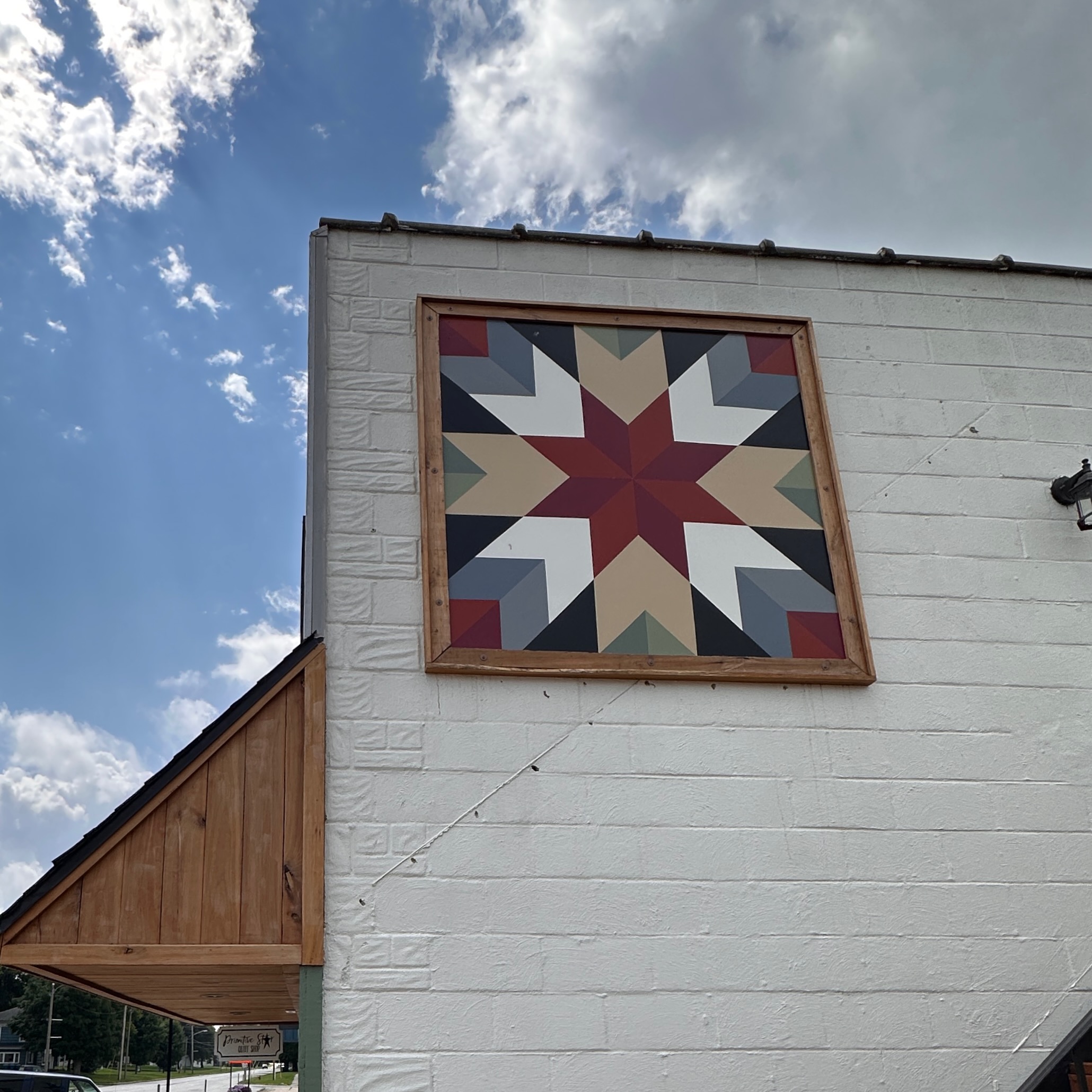
Imagine driving through the countryside, surrounded by lush green fields and rustic barns. Suddenly, a splash of vibrant color catches your eye—a quilt square painted on a barn.
Have you ever wondered why these beautiful patterns adorn the barns scattered across rural landscapes? You’re not alone. Quilt squares on barns are more than just artistic expressions; they hold a deep cultural significance and tell stories of heritage and community.
As you read on, you’ll discover the fascinating history behind these colorful creations and why they continue to captivate hearts across generations. Prepare to uncover the secrets and symbolism woven into these quilt squares, and see how they might inspire a sense of connection to your own roots.
Historical Roots
The significance of quilt squares on barns has deep historical roots. These colorful patterns tell stories of tradition and community. Each design holds a piece of history. Understanding their origins can enrich your appreciation for these artworks.
Origin Of Quilt Patterns
Quilt patterns date back to ancient cultures. Many believe they began with the Egyptians. These patterns traveled across continents. Settlers in America brought them as part of their heritage. Each quilt pattern tells a unique story or message.
In early America, quilts symbolized family and comfort. Patterns often reflected the maker’s life or environment. Some designs even had hidden meanings. They served as a form of communication among communities.
Early Uses of Barns
Quilt squares started appearing on barns in the 1800s. Farmers used them to add beauty to plain structures. These designs also helped identify properties from a distance. They became a form of rural expression.
Communities embraced barn quilts as a cultural practice. They reflected the hardworking spirit of rural life. Over time, barn quilts became landmarks. They added charm to the countryside.
Today, these quilt squares still adorn many barns. They continue to celebrate history and craftsmanship. Each square is a tribute to the past.
Symbolism And Meaning
Quilt squares on barns are more than just decorations. They carry deep symbolism and meaning. These vibrant patterns have roots in American history.
Each design tells a unique story. They reflect the culture and heritage of the area. Barn quilts celebrate the art of quilting. They also honor the tradition of storytelling through patterns.
Many communities use barn quilts as a form of expression. They pass down values, beliefs, and stories. The colors and designs chosen often hold special significance. Understanding these symbols enriches our appreciation of barn quilts.
Interpretation Of Patterns
Different patterns signify various meanings. For example, stars often symbolize guidance and hope. Geometric shapes can represent balance and harmony. Flowers might stand for growth and life. The interpretation can change depending on the region.
Local traditions and stories influence these meanings. Each quilt pattern becomes a piece of cultural history. It connects us to past generations.
Messages And Stories Conveyed
Barn quilts serve as storytellers. They convey messages of family, faith, and community. A quilt square might honor a loved one. It could celebrate an event or achievement.
Some patterns recount historical events. Others represent personal stories or beliefs. The stories behind each quilt bring a deeper connection. They transform barns into open books for all to read.
Cultural Impact
Quilt squares on barns are not just decorative elements; they are a testament to a rich cultural heritage. These vibrant patterns breathe life into rural landscapes, celebrating the artistry and history of communities. Their cultural impact is profound, touching various aspects of local life and traditions.
Community Identity
Quilt squares can serve as a badge of identity for your community. Imagine driving through a region and spotting familiar patterns that reflect the area’s unique heritage. These designs often represent local stories and legends, giving residents a sense of pride and belonging.
Have you ever noticed how a quilt square can tell a tale without uttering a word? The colors and shapes might depict historical events or honor local heroes. It’s a visual language that connects you with the past and roots you in the present.
Think about how a simple design can unite people. When communities choose quilt patterns, they often hold discussions, reflecting shared values and narratives. This process fosters collaboration and strengthens bonds.
Role In Local Traditions
Quilt squares often play a pivotal role in local traditions. They can be part of yearly festivals where people gather to celebrate their heritage through art and craftsmanship. These events can become a highlight of community life, drawing visitors and fostering tourism.
Have you ever attended a barn quilt trail? These trails guide you through scenic routes showcasing various quilt patterns, each with its own story. Such traditions can spark interest in local history and craftsmanship, inspiring you to appreciate the skills passed down through generations.
Quilt squares can also influence seasonal celebrations. During harvest or spring festivals, barns adorned with colorful squares become focal points. They invite you to participate in age-old customs, making you a part of the cultural tapestry.
As you reflect on the significance of quilt squares, consider their role in shaping community identity and traditions. How do these patterns speak to your experiences and heritage? Your insights might inspire others to explore the stories behind each design, creating a deeper appreciation for the culture they represent.
:max_bytes(150000):strip_icc()/SL-GettyImages-1386082442-ff51901e2db44e7da4dd0d1e85c1150f.jpg)
Credit: www.southernliving.com
Preservation Efforts
Preservation efforts for quilt squares on barns are crucial for maintaining the rich cultural heritage they represent. These colorful patterns not only beautify the rural landscape but also tell stories of community and tradition.
As you drive through the countryside, have you ever wondered how these beautiful pieces of art remain vibrant and intact over time?
Organizations And Initiatives
Various organizations dedicate themselves to preserving these quilt squares, ensuring they continue to grace barns across the country. The American Quilt Trail Movement is one such initiative, advocating for the maintenance and creation of quilt trails.
Local communities often band together to form committees that oversee the care and promotion of these artistic symbols.
These groups frequently organize workshops and events to educate others about the importance of quilt squares. Imagine participating in a barn quilt painting event—you’re not just creating art; you’re helping preserve a piece of history. Such initiatives foster a sense of pride and belonging, encouraging more people to join preservation efforts.
Challenges In Maintaining Traditions
Despite the enthusiasm, maintaining quilt squares on barns is not without challenges. Weather conditions can fade colors and damage the wood, necessitating regular upkeep. This requires time, resources, and a committed community to keep these artworks vibrant.
Another challenge is the dwindling number of artisans skilled in creating and restoring these quilt squares.
As traditional skills fade, how can communities train the next generation to carry on the legacy? Engaging younger people in the process is crucial to ensure these patterns remain a staple of rural beauty.
In your community, consider what steps you could take to support these preservation efforts. Whether it’s volunteering for local events or advocating for funding, your involvement can make a significant difference. After all, preserving quilt squares is about more than maintaining art; it’s about honoring the stories and traditions they represent.
Modern Revival
Quilt squares on barns blend art with heritage, celebrating rural traditions and community pride. These colorful patterns brighten landscapes and preserve cultural stories, connecting past and present through visual storytelling. Their vibrant designs invite curiosity, offering a glimpse into local history and craftsmanship.
The modern revival of quilt squares on barns is a fascinating trend. It connects communities with their heritage while adding vibrant charm to rural landscapes. These colorful quilt patterns, often painted on large wooden panels, adorn barns across the countryside.
This movement breathes new life into traditional crafts, celebrating their cultural significance. Many communities embrace this art form, creating unique quilt trails that attract visitors and boost local pride.
Contemporary Quilt Trails
Quilt trails weave through the heart of rural America. They guide visitors along scenic routes adorned with vibrant quilt squares. These trails showcase local artistry and craftsmanship, celebrating history and creativity.
Communities design them to tell stories through patterns and colors. Each quilt square has a unique meaning, reflecting local culture and traditions. Travelers enjoy a visual journey while learning about the area’s heritage.
Influence On Tourism
Quilt squares on barns draw tourists to rural areas. They create a unique attraction that encourages exploration. Visitors travel to see these colorful displays, boosting local economies. Bed-and-breakfasts, restaurants, and shops benefit from increased foot traffic.
Quilt trails become a focal point for events and festivals. These gatherings celebrate art, history, and community. As a result, quilt squares enhance cultural tourism, offering memorable experiences for all.

Credit: www.ourstate.com
Artistic Expression
Quilt squares on barns serve as vibrant canvases for artistic expression. These colorful patterns transform ordinary barns into stunning art pieces.
Each quilt square tells a unique story, reflecting the cultural heritage of the community. The tradition of painting quilt squares has roots in folk art, celebrating creativity and craftsmanship.
Creative Designs And Techniques
Artists use diverse designs and techniques to create quilt squares. Geometric shapes, bold colors, and intricate patterns are common features.
Many designs are inspired by traditional quilting patterns like stars and diamonds. Some artists also incorporate modern themes, adding a contemporary touch. Each square is a unique blend of history and innovation.
Inspiration For Modern Artists
Quilt squares on barns inspire modern artists seeking fresh ideas. They offer a rich tapestry of color and form, sparking creativity.
Artists often find inspiration in the simple yet profound designs. The blend of tradition and modernity opens new creative avenues. Many artists incorporate these elements into their own work, bridging past and present.
Educational Value
Quilt squares on barns carry rich historical and cultural significance. They often tell stories of local heritage and community pride. These colorful patterns can serve as educational tools, teaching about art, history, and craftsmanship.
Quilt squares on barns are more than just vibrant decorations; they hold significant educational value. These colorful patterns serve as a canvas for learning, offering a unique blend of art, history, and culture. They provide an opportunity to engage with the past while nurturing creativity and curiosity.
Workshops And Learning Programs
Many communities host workshops that delve into the art and history of quilt squares. Participants can learn the techniques behind crafting these designs and understand their historical context. Such programs often foster a sense of community, bringing people together to share skills and stories.
Attending a quilt square workshop is an experience in itself. Imagine the satisfaction of crafting your own square, guided by experts who share tales of traditions. These sessions often cater to all ages, making them perfect for family learning experiences.
Are you looking to add a new skill to your repertoire? Consider joining a workshop and immerse yourself in the world of quilt squares. You’ll walk away with more than just a handcrafted piece—knowledge that connects you to a rich tradition.
Passing Down Knowledge To Future Generations
Quilt squares on barns also play a crucial role in passing down knowledge to future generations. They serve as a bridge between the past and the present, keeping traditions alive.
Imagine your grandparents teaching you the significance of each pattern, sharing stories of how their ancestors used similar designs. This creates a living history, where knowledge is passed down through hands-on learning.
By encouraging younger generations to participate in quilt-making, you ensure these traditions are not lost. You can also inspire a love for history and craftsmanship in your children by engaging them in these activities.
Have you considered how you can contribute to preserving such cultural heritage? Engaging with quilt squares might just be the perfect starting point for you and your family.

Credit: www.nytimes.com
Frequently Asked Questions
Why Are Quilt Squares On Barns?
Quilt squares on barns are decorative art pieces that honor rural traditions. They often represent family heritage or local history. Barn quilts add visual appeal and can attract tourists. Their patterns and colors are designed to stand out, celebrating cultural and artistic expression in farming communities.
What Do Barn Quilt Patterns Mean?
Barn quilt patterns can symbolize family history, local legends, or personal stories. Each design is chosen carefully to reflect meaningful connections. Patterns may represent agricultural roots, historical events, or community values. They serve as a visual narrative, connecting viewers to the rich tapestry of rural life.
Where Did Barn Quilt Tradition Start?
The barn quilt tradition began in Ohio, USA, in 2001. It was initiated by Donna Sue Groves to honor her mother’s quilting legacy. The idea quickly spread across America, creating barn quilt trails. These trails celebrate rural culture and provide a unique, artistic attraction for visitors.
How Are Barn Quilts Created?
Barn quilts are crafted using large plywood squares painted with colorful patterns. Artists use weather-resistant paint to ensure durability. Each quilt square is meticulously designed, often inspired by traditional quilt blocks. The process requires careful planning and artistic skill to achieve vibrant and meaningful designs.
Conclusion
Quilt squares on barns hold deep cultural value. They tell stories. Connect generations. Bring communities together. These vibrant designs enrich rural landscapes. They blend art and history. Each square is unique. A symbol of tradition and creativity. Quilt squares invite curiosity.
Encourage exploration. Many admire them for their beauty. Others find comfort in their familiarity. They serve as landmarks, too. Travelers spot them from afar. Quilt squares on barns are more than decoration. They are cherished memories. A colorful part of our heritage.
Embracing them keeps traditions alive. For future generations to enjoy and learn.
https://www.youtube.com/watch?v=sB698I-uWRI