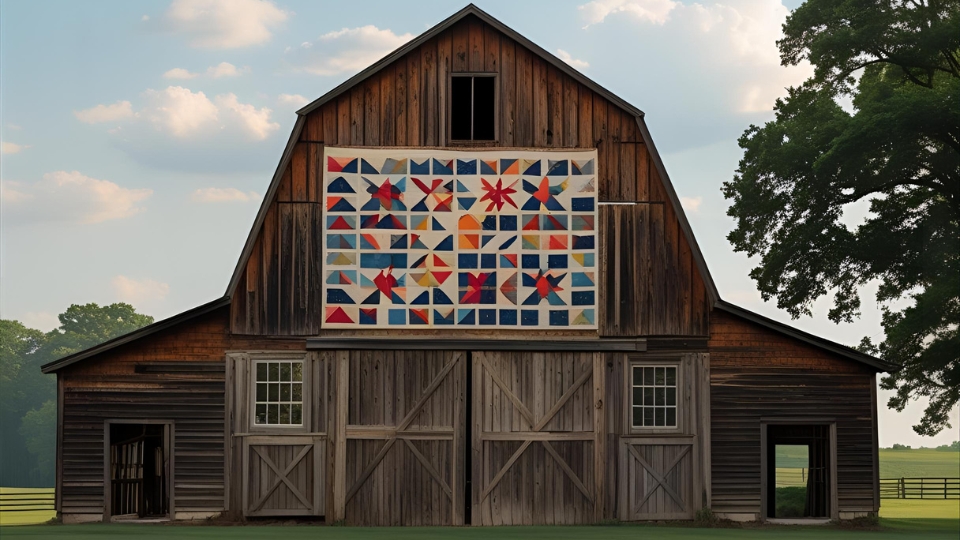
What is the Significance of the Quilt in Trifles: Unveiled Mysteries

Are you ready to uncover the hidden layers of meaning in the intriguing play, “Trifles”? There’s a simple quilt that holds the key to understanding the story on a deeper level.
This ordinary object is not just a piece of handiwork; it’s a silent witness to the complex emotions and struggles faced by the characters. As you delve into the significance of this quilt, you’ll discover how it reflects themes of gender roles, domestic life, and the power of seemingly trivial details.
Don’t miss out on unraveling the mystery—read on to find out why this quilt is more than just fabric stitched together.

Credit: www.sewsweetquiltshopil.com
What is the Significance of the Quilt in Trifles: Symbolism In Trifles
The play “Trifles” by Susan Glaspell uses symbols to convey deeper meanings. One of the most significant symbols is the quilt. This household item reveals much about the characters and their world.
What The Quilt Represents
In “Trifles,” the quilt represents the life of Mrs. Wright. Each stitch reflects her daily routine and hidden struggles. It shows the monotony and the small joys of her existence.
Patterns Of Isolation
The quilt’s patterns symbolize Mrs. Wright’s isolation. Her life is woven into the fabric, displaying her loneliness. The uneven stitches suggest her emotional turmoil.
Women’s Insight
The women in the play notice the quilt’s significance. They understand its silent messages, seeing what men overlook. Their empathy uncovers the more profound truth behind Mrs. Wright’s actions.
The Quilt As Evidence
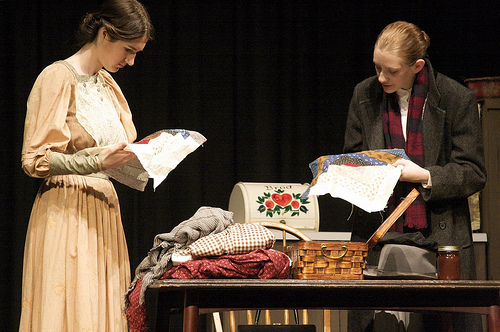
The quilt becomes a key piece of evidence. Its condition hints at Mrs. Wright’s mental state. The knotted section suggests a turning point in her life.
Credit: www.annquilts.com
The Quilt As A Metaphor
In “Trifles,” the quilt symbolizes the unnoticed details of women’s lives. It represents the domestic sphere, often overlooked by men. The quilt’s unfinished state mirrors the hidden struggles and stories of the women, highlighting their unspoken bonds and resilience.
In Susan Glaspell’s play “Trifles,” the quilt is not just a simple household item; it stands as a powerful metaphor that reveals the underlying themes of the story. The quilt represents the piecing together of small details to form a larger picture, much like the investigation in the play.
As you read, think about how everyday objects can carry more profound meanings. Could something as ordinary as a quilt hold the key to understanding complex human emotions and actions?
The Quilt As A Symbol Of Women’s Work
The quilt highlights the often-overlooked labor of women. Each stitch symbolizes the meticulous care and dedication required in their daily lives. Imagine piecing together a quilt; it’s a task of patience, where every detail matters. Women in the play are seen as insignificant, yet their work is integral.
The quilt is their voice, speaking volumes about their silent strength. Reflect on the women in your life—how often are their contributions unnoticed?
Piecing Together The Clues
The uneven stitching of the quilt mirrors the unraveling mystery in the play. It’s a clue that something is amiss, urging the characters to look closer. Are you attentive to the small details that can reveal the truth in your own life?
Just like detectives piecing together evidence, the women in the play use the quilt to uncover hidden stories. This begs the question: how often do you miss the bigger picture by ignoring the details?
Unity And Isolation
Quilting is a communal activity, yet in the play, it highlights isolation. The quilt reflects the bond between women, juxtaposed against the loneliness of Mrs. Wright. Do you see how community can be both comforting and isolating?
The quilt’s unfinished state represents Mrs. Wright’s interrupted life. It makes you think about the unfinished projects in your own life and their meanings. What does an unfinished task say about your current state?
Reflecting Personal Stories
Each quilt tells a personal story, much like a diary. Mrs. Wright’s quilt captures her struggles and emotions, stitched into fabric. Consider how your belongings could tell your story to others. Every pattern and color choice in a quilt can reflect personal experiences. As you look around your space, what objects capture your life’s narrative?
Do they speak of joy, struggle, or something else entirely? Engage with the quilt as more than an object; see it as a storyteller. Next time you visit a quilt, think about the stories it might hold. What tales are woven into the fabric of your own life?
Unveiling Hidden Layers
The quilt in Susan Glaspell’s play “Trifles” is more than a simple household item. It’s a symbol that unveils hidden layers of the story, much like peeling back the layers of an onion.
As you journey through the narrative, you’ll find that the quilt reveals significant insights into women’s roles and perceptions, as well as clues to the crime at the heart of the play.
Women’s Roles And Perception
In “Trifles,” the quilt reflects the domestic world often dismissed by men. It’s an emblem of women’s work, which was undervalued in the early 20th century. The way women interact with it shows their understanding and appreciation of each other’s silent struggles.
As you look closer, think about how society views women’s roles. Are they truly just trifles, or do they hold deeper meanings? Consider how the women in the play connect over shared experiences, using the quilt as a bridge to communicate.
Reflect on your own experiences. Have you ever felt underestimated because of your role? The quilt challenges us to see the importance of these overlooked aspects of life.
Clues To The Crime
The quilt is not just a symbol; it’s a piece of the puzzle. The erratic stitching suggests a disturbed mind, hinting at the emotional turmoil of the accused. This small detail, often dismissed by men, speaks volumes to those who care to notice.
As the women piece together the story, they find clues hidden in plain sight. What would you uncover if you paid closer attention to the small details around you? Perhaps, like the women in “Trifles,” you’d discover truths that change everything.
The next time you encounter something seemingly insignificant, pause and consider: what hidden layers might be waiting to be unveiled? The quilt in “Trifles” teaches us to look beyond the surface to understand the whole story.
Artistry And Craftsmanship
In “Trifles,” the quilt represents the intricate bond between artistry and craftsmanship. Its stitching reveals the emotional depth of Mrs. Wright’s life. Through the quilt, the women uncover significant clues, highlighting the quilt’s role in unraveling hidden truths.
The quilt in Susan Glaspell’s “Trifles” is much more than a mere household item. It symbolizes artistry and craftsmanship, showcasing traditional skills often undervalued in its time. This quilt is a testament to the women’s diligent work and creative expression. Let’s unravel how these elements blend to give the quilt its profound significance.
Traditional Women’s Work
The quilt represents the traditional work that women historically carried out in the domestic sphere. Quilting required patience, precision, and skill. It was a craft passed down through generations, connecting women to their heritage. Today, you might not need to quilt for necessity, but it can be a fulfilling hobby.
Do you ever find yourself appreciating these seemingly mundane tasks? They often carry rich histories and stories, much like the quilt in “Trifles.”
Creative Expression
Beyond functionality, quilts are canvases for creative expression. Each stitch and pattern reflects the maker’s emotions and thoughts.
In “Trifles,” the quilt hints at Mrs. Wright’s inner turmoil. Have you ever created something that reflects your feelings? The act of making can be a powerful outlet. The quilt’s design may seem ordinary, but it holds a narrative as intricate as its patterns.
By understanding the artistry and craftsmanship behind the quilt, you gain insight into the characters’ lives. It encourages you to look beyond the surface and appreciate the skill involved. Next time you encounter a quilt, consider the stories it might tell.
Patterns Of Oppression
In “Trifles,” the quilt symbolizes the women’s domestic world and the overlooked details of their lives. Its uneven stitching reveals the emotional turmoil of the character, Mrs. Wright. This seemingly trivial piece exposes deeper insights into her life and the unnoticed patterns of oppression she faced.
In Susan Glaspell’s play “Trifles,” the quilt serves as a powerful symbol of the patterns of oppression faced by women in the early 20th century. The quilt, an object of domestic labor, unravels deeper societal issues. It reflects the constraints imposed on women’s lives and their silent yet impactful resistance.
Domestic Life Constraints
Women’s roles were often confined to the home, where they were expected to maintain order and fulfill domestic duties. The quilt in “Trifles” represents this sphere, with its intricate patterns symbolizing the repetitive and unnoticed labor women performed daily.
Think about the last time you completed a task without recognition. The quilt stitches, carefully crafted, mirror these invisible efforts. The act of quilting also represents the limited creative outlets available to women, forcing them to find expression within the constraints of domestic life.
Voices Of Resistance
The quilt isn’t just a symbol of oppression; it’s also a tool of resistance. As the women in “Trifles” discuss the quilt, they uncover the emotional turmoil of Mrs. Wright, the play’s central character. Have you ever used a hobby to cope with stress or express feelings?
Mrs. Wright’s quilting becomes her voice, a way to communicate her inner struggles in a world that silences her. The uneven stitches reveal moments of distress, hinting at her resistance to her oppressive circumstances. These subtle acts of defiance suggest that even within constraints, there’s room for resistance. What silent forms of resistance might you engage in when facing challenges?
The quilt in “Trifles” invites us to consider the many ways in which we express resistance and seek change, even when facing seemingly insurmountable obstacles.
The Quilt’s Narrative Function
The quilt in “Trifles” symbolizes the overlooked details of women’s lives. It reflects Mrs. Wright’s emotional state and her domestic struggles. Through its patterns, the quilt reveals hidden clues, offering insight into the murder mystery and highlighting the importance of women’s intuition and experiences.
In Susan Glaspell’s play “Trifles,” the quilt serves as a powerful symbol and narrative device. It subtly weaves together the intricate story of the characters’ lives and the hidden truths they conceal. Through the quilt, readers and characters alike can explore themes of gender roles, domestic life, and the silent voices of women.
Storytelling Through Stitches
Each stitch in the quilt tells a story, one that might otherwise remain unspoken. Women of the early 20th century often used quilting as a form of expression and communication. Imagine how a seemingly simple choice of patterns and colors can reveal much about a person’s inner world.
When you look at a quilt, you’re not just seeing fabric but a tapestry of emotions and experiences. Consider how the uneven stitches in the quilt from “Trifles” hint at Mrs. Wright’s disturbed state of mind. Can you see how these imperfections narrate a tale of her life’s unraveling?
Through the quilt, the women in the play uncover Mrs. Wright’s emotional turmoil. This form of storytelling is as poignant as any spoken word. It invites you to read between the lines—or stitches—and understand the silent cries for help.
Connecting Past And Present
Quilts often act as bridges between generations, connecting the past with the present. Have you ever held a quilt made by a relative and felt the warmth of their hands through time? This tangible link to the past is not just comforting but deeply revealing.
In “Trifles,” the quilt becomes a focal point that connects Mrs. Wright’s past life with the present investigation. Each piece of fabric sewn into the quilt represents a memory or an era in her life. This connection highlights how the past continues to influence the present.
As you consider the quilt’s role, think about how your own family heirlooms tell stories. They ground you in history and provide insights into those who came before. The quilt in “Trifles” serves the same purpose, allowing the characters—and you—to see the continuity between past and present.
Interpreting Gender Dynamics
In “Trifles” by Susan Glaspell, the quilt symbolizes more than just a household item. It represents the complex gender dynamics of the early 20th century.
Through the quilt, the play highlights the distinct perspectives of men and women. It also showcases empathy and insight, often overlooked by male characters. This simple object becomes a key to understanding deeper societal issues.
Male Vs Female Perspectives
The men in “Trifles” see the quilt as trivial. To them, it’s just a piece of fabric. They dismiss its significance, focusing on the crime scene instead. Women, on the other hand, view the quilt differently. They see it as a reflection of Mrs. Wright’s life and struggles.
The quilt’s uneven stitching signals her emotional turmoil. This difference in perception highlights the gap in understanding between genders. It showcases how men often undervalue women’s work and concerns.
Empathy And Insight
The quilt reveals women’s empathy and insight into Mrs. Wright’s life. Female characters connect with her through shared experiences. They understand the emotions behind each stitch. This empathy allows them to piece together the story of her life. They see the quilt as a silent witness to her suffering.
Men miss these subtleties, seeing only the obvious. Women’s insight offers a deeper understanding of Mrs. Wright’s actions. This perspective emphasizes the importance of empathy in interpreting human behavior.
Legacy And Cultural Impact
The quilt in “Trifles” symbolizes women’s domestic roles and unspoken struggles. It reflects Mrs. Wright’s life and emotional turmoil. Through the quilt, audiences connect with the overlooked significance of women’s work and experiences in early 20th-century society.
The quilt in Susan Glaspell’s “Trifles” holds a profound legacy and cultural impact that extends beyond its simple existence as a household item. Quilts have been woven into the fabric of history, symbolizing women’s voices and experiences.
In “Trifles,” the quilt becomes a critical piece of evidence, revealing the emotional and psychological struggles of its maker, Mrs. Wright. This small yet powerful object encapsulates themes of domestic life, gender roles, and hidden narratives, leaving a lasting impression on both readers and the broader cultural context.
Influence On Feminist Literature
The quilt in “Trifles” has significantly influenced feminist literature by highlighting the domestic sphere as a space of both oppression and resistance.
Through the quilt, Glaspell sheds light on the often-overlooked struggles of women, advocating for a deeper understanding of their lives. This narrative device has inspired countless feminist writers to explore similar themes, encouraging you to question societal norms and the value of women’s work.
Have you ever considered how everyday objects in your life might carry hidden stories?
Continued Relevance
Despite being over a century old, “Trifles” and its quilt remain relevant today. The quilt speaks to ongoing discussions about gender equality and the recognition of women’s contributions in all spheres of life. In a world where the battle for equal rights continues, the quilt serves as a reminder that understanding and empathy often come from the most unexpected places.
Consider how such small symbols in your life might hold significant meaning—what stories could they tell about your experiences and values?
The legacy of the quilt in “Trifles” encourages a closer examination of the seemingly mundane aspects of life. By doing so, you not only honor the past but also engage with the present in a more meaningful way.
Frequently Asked Questions
Why Is The Quilt Important In “Trifles”?
In “Trifles,” the quilt symbolizes the domestic life of Mrs. Wright. It reflects her emotional state and the unraveling of her life. The irregular stitching hints at her mental distress. This seemingly trivial detail becomes crucial evidence, highlighting the often-overlooked significance of women’s experiences and perceptions.
How Does The Quilt Relate To The Theme?
The quilt in “Trifles” underscores the theme of gender roles and societal expectations. It represents women’s work, often dismissed as unimportant by men. Yet, it holds key insights into Mrs. Wright’s life. The quilt emphasizes the disparity between male and female perspectives and the value of women’s intuition.
What Does The Quilt Reveal About Mrs. Wright?
The quilt reveals Mrs. Wright’s emotional turmoil and isolation. The messy stitching indicates her anxiety and disturbed mental state. This detail, overlooked by men, is significant to the women characters. It provides insight into her life and the possible motive behind the central crime in the play.
How Does The Quilt Connect To The Play’s Title?
The quilt connects to the title “Trifles” by representing the seemingly insignificant details women notice. These details, dismissed by men as trifles, hold more profound meanings. The quilt exemplifies how women’s insights can uncover truths, challenging the perception that their concerns are trivial or irrelevant.
Conclusion
The quilt in “Trifles” holds deep meaning. It symbolizes the women’s world. Their unnoticed wisdom. A link to Mrs. Wright’s life and struggles. The quilt reveals secrets. Highlights the gap between men and women. The stitching reflects her emotions. Each piece tells a story.
The quilt becomes vital evidence. It speaks louder than words. It shows understanding beyond the surface. A simple item turns powerful. It pushes the plot forward. Sparks change in perception. The quilt illustrates the importance of women’s roles. It connects the dots.
Unveils truths hidden in plain sight.