What to Do If Cushion Foundation is Too Light
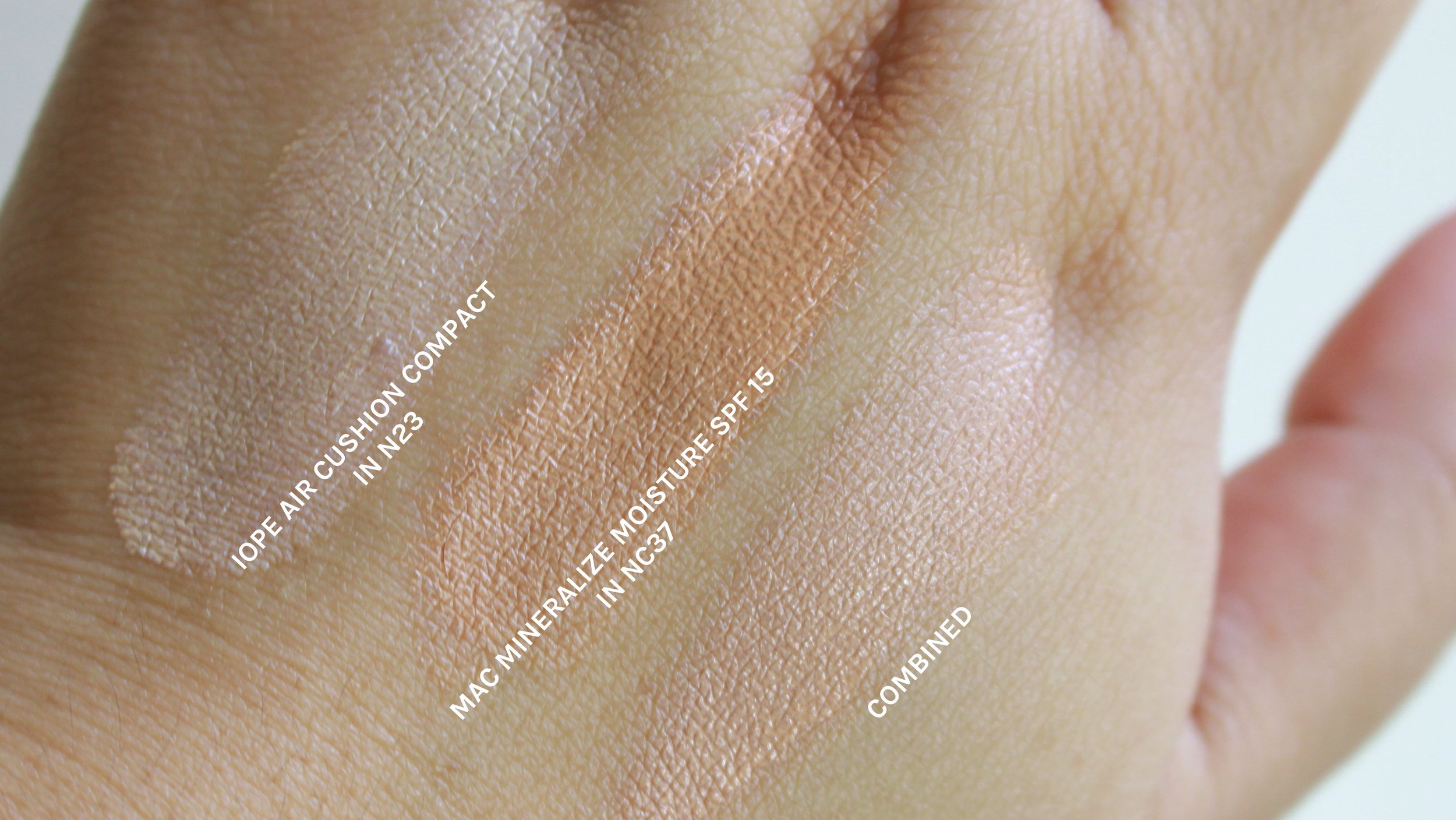
Have you ever looked in the mirror and felt like your cushion foundation was doing you no favors? Maybe you picked the wrong shade, and now your face looks a tad too ghostly.
You’re not alone. Finding the perfect match for your skin tone can be tricky, especially when dealing with cushion foundations. But don’t worry—there are simple tricks to fix this problem and achieve a flawless look. Keep reading to discover how you can transform a too-light foundation into a tool for a radiant complexion.
You’ll feel confident walking out the door, knowing your makeup enhances your natural beauty rather than masking it. Dive in to learn the secrets to perfecting your base and turning a makeup mishap into a masterpiece.
Credit: www.projectvanity.com
Assessing The Shade Issue
Struggling with a cushion foundation that’s too light? Mix it with a slightly darker shade for balance. You can also dust bronzer on your face to add warmth. Adjusting your skincare routine can help the foundation blend better with your skin tone.
When your cushion foundation feels too light, it’s important to understand why. You might think it’s just a mismatched color, but sometimes it’s more about the undertones or the lighting where you apply it. Assessing the shade issue is crucial to ensure your makeup looks seamless and natural. Let’s dive into some practical steps to pinpoint the problem.
Identifying Undertones
Your skin undertone plays a significant role in how a foundation appears on your skin. Are you warm, cool, or neutral? A foundation that matches your undertone can make a world of difference. Warm undertones usually have a yellow or golden hue. Cool undertones often lean towards pink or blue. Neutral undertones are a mix, balancing both without leaning too much either way.
Try holding a piece of white paper next to your face. If your skin appears yellowish, you might have warm undertones. If it looks more pink or rosy, you likely have cool undertones. Neutral undertones will show a balance of both.
Natural Lighting Test
Lighting can dramatically alter how your foundation appears. Indoor lighting, especially artificial, can cast shadows or change the perception of your foundation’s color. Test your foundation in natural daylight. Step outside or near a window to see how it truly looks. It might surprise you how different it can appear compared to under bathroom lights.
Consider applying your foundation and then observing it in various lighting conditions throughout the day. You might find the perfect spot that reveals its true color. Ever noticed how pictures outside look different than those taken inside? The same principle applies here.
Once you pinpoint the issue, whether it’s undertone or lighting, you can adjust accordingly. Mix shades or change your application environment. This assessment can transform your foundation game from flawed to flawless. What’s your next step to achieve that perfect match?
Temporary Fixes
If your cushion foundation is too light, don’t worry. There are temporary fixes. These methods can help you achieve a natural look. You can adjust the tone without buying a new product. Let’s explore some simple solutions.
Bronzer Application
Bronzer is a quick fix for light foundation. It adds warmth to your skin. Choose a bronzer that’s two shades darker than your skin tone. Apply it on the high points of your face. Focus on your forehead, cheeks, and jawline. Use a fluffy brush for even distribution. Blend well for a natural finish. This method gives a sun-kissed look.
Blending With Darker Foundation
Mix your cushion foundation with a darker one. This creates a custom shade. Use a small palette or the back of your hand. Start with a small amount of each product. Blend them together using a brush or sponge. Test the mixture on your jawline. Adjust the ratio if needed. This technique helps match your skin tone perfectly. It ensures a seamless blend without a noticeable line.
Adjusting The Foundation
Adjusting a cushion foundation that’s too light can be a challenge. The good news? There are simple ways to correct the shade. With a few tweaks, you can achieve a perfect match. This section will guide you through effective methods to adjust your foundation.
Using Foundation Mixers
Foundation mixers offer an easy solution to color mismatch. These products come in various shades. Choose a mixer that matches your skin tone. Add a small amount to your cushion foundation. Mix thoroughly for a seamless blend. Test the new shade on your jawline. Adjust as needed to get the perfect match.
Incorporating Pigment Drops
Pigment drops are another way to darken your foundation. These concentrated colors can be mixed with foundation. Start with a drop or two. Blend well and test on your skin. Pigment drops provide control over the intensity. They are perfect for customizing the shade to your liking. Experiment until you find the right balance.
Skin Preparation Techniques
Choosing a cushion foundation can be tricky. Sometimes, the shade might be too light. Fortunately, with proper skin preparation, you can make it work. Skin preparation helps your foundation blend better. It can also ensure a more natural look.
Moisturizing For Better Blending
Proper moisturizing is crucial. It creates a smooth base for makeup. Start with a gentle cleanser. This removes dirt and oil. Follow with a hydrating moisturizer. Choose one suited for your skin type. Let it absorb fully before applying foundation. Hydrated skin allows better blending. It helps the foundation melt into your skin.
Primer Selection Tips
Primers can enhance your makeup look. They create an even surface. Choose a primer that suits your skin needs. For dry skin, opt for hydrating primers. Oily skin benefits from mattifying primers. A good primer can adjust the foundation shade. It helps balance the lightness of your cushion foundation. Apply a thin layer. Let it set before foundation application. This step ensures a seamless blend.
Exploring Long-term Solutions
Adjust your cushion foundation by mixing it with a darker shade to match your skin tone. Another option is using bronzer to add warmth and balance. These methods help achieve a natural look without wasting your foundation.
Finding out that your cushion foundation is too light can be frustrating, especially if you were looking forward to a flawless complexion. While quick fixes can offer temporary relief, consider exploring long-term solutions for a more sustainable approach.
Think about how you can prevent this issue in the future and customize your foundation to better suit your skin tone. Here are some practical steps you can take to ensure your foundation perfectly matches your skin.
Customizing With Professional Help
If you’ve consistently struggled with finding the right shade, a consultation with a professional makeup artist might be your best bet. Professionals have a keen eye for undertones and can help you find a shade that not only matches your skin but also enhances it.
A makeup artist can also teach you techniques to blend different shades for a perfect match. You might discover that mixing two shades gives you the perfect hue. This knowledge can empower you to create your own custom shade at home.
Choosing The Right Shade Next Time
Next time you shop for foundation, consider swatching it under natural light. Store lighting can be misleading and result in a shade that looks different outside. Take a small mirror and check the color in daylight to ensure a match.
Keep a record of brands and shades that have worked for you in the past. This will serve as a helpful guide during future shopping trips. Also, don’t hesitate to ask for samples to try at home before making a purchase. Have you ever noticed your foundation looking different throughout the year?
Our skin changes with the seasons, so it might be worth considering a winter and summer shade. This small adjustment can make a big difference in maintaining a natural look all year round.
Alternative Uses For Light Foundation
Have you ever bought a cushion foundation that’s too light for your skin? Don’t worry, there are creative ways to use it. Light foundation doesn’t have to go to waste. You can repurpose it for other makeup techniques. This approach ensures you get the most out of your purchase.
Highlighting And Contouring
Light foundation works well as a highlighter. Apply it on areas you want to bring forward. Focus on the bridge of your nose, cheekbones, and brow bones. It adds a subtle glow without the shimmer of traditional highlighters. For contouring, pair it with a darker shade. The light foundation contrasts with darker tones, giving depth. This technique creates a balanced, sculpted look.
Creating A Custom Shade
Mix the light foundation with a darker foundation. This creates a custom shade that matches your skin tone. Adjust the ratio until you achieve the perfect color. It’s an easy way to make a foundation more versatile. Use a small mixing palette or the back of your hand. A blending brush helps achieve an even mix.
Frequently Asked Questions
How Can I Darken My Cushion Foundation?
To darken a cushion foundation, mix it with a darker liquid foundation or use bronzer. Start by applying a small amount and gradually build up until you achieve the desired shade. Blending well ensures a seamless finish. Always test on a small area to ensure color compatibility.
Is Mixing Foundations Recommended For Better Color?
Yes, mixing foundations is a great way to customize your shade. It allows you to achieve the perfect match for your skin tone. Use a clean palette or back of your hand to mix. Adjust ratios slowly to prevent over-darkening.
Mixing can also enhance the foundation’s texture and finish.
Can I Use Bronzer To Adjust Foundation Color?
Yes, bronzer can help adjust your foundation color. Apply bronzer over your cushion foundation to add warmth and depth. Choose a matte bronzer for a natural look. Blend evenly across your face, focusing on areas like cheeks and forehead. Ensure the bronzer complements your skin tone for best results.
What Are Quick Fixes For Light Foundation?
Quick fixes include using bronzer, contouring, or setting powder. Apply bronzer to areas needing depth, blending well. Contour to add dimension and avoid a flat appearance. A tinted setting powder can also help. These methods enhance your foundation’s shade without needing a complete product change.
Conclusion
Finding the perfect cushion foundation shade can be tricky. If yours is too light, don’t worry. You have options. Mixing with a darker foundation can help. Bronzer is another great choice. A touch of blush can add warmth too. Experiment with different techniques.
You’ll soon find what works best for you. Remember, makeup is personal. It’s all about trial and error. Your ideal shade is within reach. Keep trying and have fun with it. Your confidence will shine through. Enjoy the process and embrace your unique beauty.