What to Do If I Don’T Have Any Pads Or Tampons
Imagine finding yourself in a situation where your period has started unexpectedly, and you realize you’re out of pads or tampons. Panic might set in, and you may feel unsure about what to do next.
You’re not alone; many have faced this dilemma and found themselves searching for solutions. The good news is, there are practical and effective alternatives that can help you manage this situation with ease. This article is here to guide you through simple steps you can take when you’re caught off guard.
By the end of this read, you’ll feel empowered and prepared, knowing exactly what to do when you’re in a pinch. Let’s explore these solutions together and ensure you’re never left feeling helpless during your period again.
Credit: www.sofy.in
Emergency Alternatives
Finding yourself without pads or tampons can be a stressful situation, especially when you need immediate solutions. But don’t worry, there are practical emergency alternatives that can help you manage until you get your hands on the usual supplies. Let’s explore some of these options together.
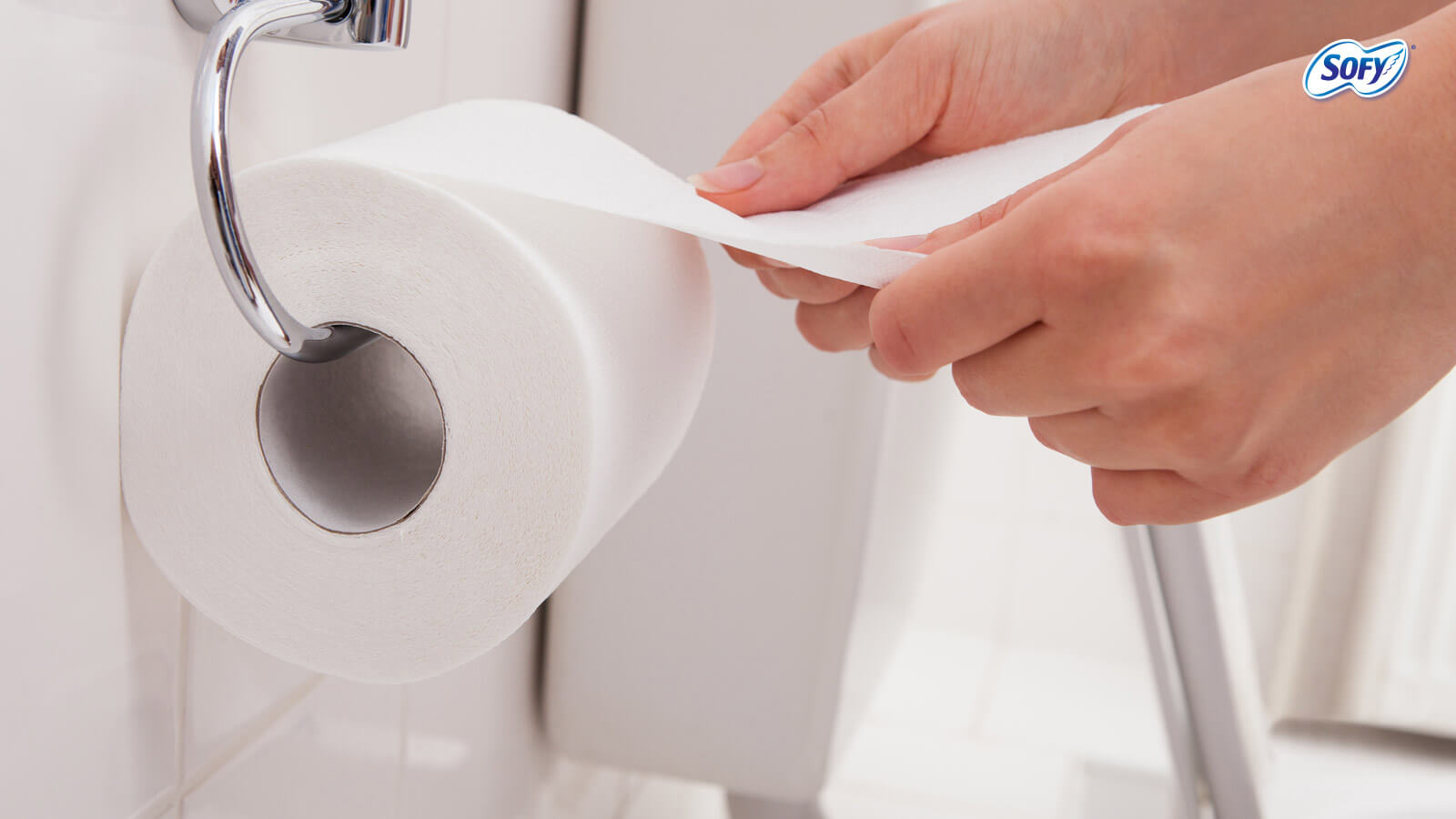
Using Toilet Paper
Toilet paper is often readily available, making it a convenient first choice. Fold several layers of toilet paper until you reach a thickness that feels comfortable and absorbent. Place it in your underwear, adjusting as needed for a secure fit.
Remember to change it frequently to avoid leaks and discomfort. It’s not the most durable option, but it can serve as a temporary fix when you’re in a pinch.
Creating A Makeshift Pad
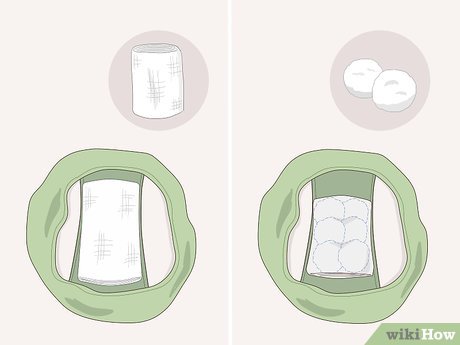
Have you ever crafted a makeshift pad out of necessity? Grab paper towels, tissues, or similar materials to create a pad. Stack them to achieve the desired thickness and wrap them in toilet paper for added security.
You can use a plastic bag to create a waterproof layer beneath the pad, ensuring it stays dry longer. This method requires a bit of creativity but can be surprisingly effective.
Utilizing Cloth Materials
Old t-shirts, handkerchiefs, or cotton cloths can be repurposed as emergency pads. Cut the fabric into manageable pieces and fold them to fit comfortably in your underwear. Cloth materials are often more absorbent than paper options.
Be sure to wash the cloth thoroughly before use and change it regularly to maintain hygiene. Ask yourself, what fabric around you could serve this purpose in an unexpected situation?
Innovative Solutions
Running out of pads or tampons can be stressful. But there are clever alternatives available. These solutions provide comfort and convenience during your period. They are eco-friendly and easy to use. Let’s explore some innovative options.
Exploring Menstrual Cups
Menstrual cups are reusable. They are made of flexible silicone or rubber. Insert them to collect menstrual fluid. They can be worn for up to 12 hours. This makes them ideal for long days. You save money by not buying pads or tampons regularly.
Menstrual cups are also environmentally friendly. They reduce waste significantly. Many find them comfortable and reliable. They are easy to clean and maintain. A perfect choice for those wanting a sustainable option.
Trying Period Underwear
Period underwear offers a great alternative. It absorbs menstrual flow directly. It’s designed with special absorbent layers. This keeps you dry and comfortable all day. Period underwear is washable and reusable. This means you can use it multiple times.
It can be worn alone or with other products. Choose styles and absorbency levels that suit your needs. It’s discreet and feels like regular underwear. For many, it provides peace of mind during their period. A practical solution for everyday use.
Seeking Help
Feeling unprepared during your period can be stressful. Consider using folded toilet paper or a clean cloth as a temporary solution. Reach out to friends or family for help, or visit a nearby store or pharmacy. Many public places also offer free supplies in restrooms.
Finding yourself without pads or tampons can be a stressful experience. However, there are simple and effective ways to seek help that can ease your worries. Whether you’re at home, work, or out in public, reaching out to others can provide quick solutions. Let’s explore some practical steps you can take if you find yourself in this situation.
Asking Friends Or Family
Don’t hesitate to ask friends or family members if they have any spare pads or tampons. Most people are willing to help out in such situations. You might be surprised at how understanding and supportive they can be. A quick text or phone call can save you time and stress.
If you’re at a friend’s house, casually mention your need. Often, someone will have extras on hand. Think about the last time you helped a friend with something small. Chances are, they’ll be happy to return the favor.
Visiting Public Facilities
Public facilities such as malls, libraries, and community centers often have vending machines in restrooms. These machines usually carry essential items like pads and tampons. Check if there’s a customer service desk that might offer free supplies.
Some places have started providing these items for free, recognizing the need for accessibility. If you’re in a pinch, ask an employee if they know where you can find what you need. Many times, they can point you in the right direction or offer a solution themselves.
Contacting Local Organizations
Local organizations and charities often provide free menstrual products to those in need. Look up nearby women’s shelters, community centers, or health clinics. Many of these organizations are prepared to help without judgment.
Some even have programs specifically designed to distribute menstrual products to the community. Consider keeping a list of these resources handy. Being prepared can make a big difference in managing unexpected situations. When you find yourself without pads or tampons, remember that help is often just a conversation away.
By reaching out and using available resources, you can handle the situation with confidence and ease. What strategies have you found helpful in similar situations? Share your thoughts and empower others!

Credit: www.wikihow.com
Preventive Measures
Running out of pads or tampons can be stressful. Especially during an unexpected period. Taking preventive measures can help you stay prepared. This allows you to manage your menstrual needs with ease. Here’s how you can plan ahead.
Building An Emergency Kit
An emergency kit is a lifesaver during your period. Start by gathering a few essentials. Include sanitary napkins, tampons, and pantyliners. Keep them in a small pouch. This makes it easy to grab in a hurry. Add pain relief medicine like ibuprofen. You might want to include a travel-sized pack of wipes. These help maintain hygiene on the go.
Consider adding a change of underwear. This ensures you stay comfortable if leaks occur. Store your kit in your bag, car, or office. You’ll always have it close by.
Tracking Your Cycle
Understanding your menstrual cycle is crucial. Use a calendar or a phone app to track your period. Mark the start and end dates. This helps predict your next cycle. Anticipate your period by noting any symptoms. Cramps, mood swings, or bloating can signal its arrival.
Knowing these signs keeps you prepared. You can ensure your emergency kit is ready. Tracking your cycle helps you avoid surprises. You’ll know when to expect your period. This reduces stress and uncertainty.
Self-care Tips
Consider using toilet paper or clean cloth as temporary alternatives. Fold and layer for extra absorption. Opt for old cotton fabric. Wash and reuse if necessary. Stay calm and find a nearby store for a quick restock. Maintain hygiene by washing hands and changing makeshift pads regularly.
Experiencing your period without access to pads or tampons can be stressful, but focusing on self-care can help you manage this situation effectively. Taking care of your body and mind is essential to ease discomfort and maintain your well-being. Here are some self-care tips to help you navigate through this time with comfort and ease.
Managing Discomfort
Cramps and discomfort can be challenging without your usual menstrual products. Try using a warm water bottle or heating pad on your lower abdomen to alleviate pain. Gentle stretching or yoga can also help relax tense muscles and reduce discomfort.
Is there a specific activity that brings you comfort? Maybe reading a book, watching your favorite show, or engaging in a creative hobby can distract you from the discomfort. Prioritizing activities that make you happy can make a significant difference.
Staying Hydrated
Keeping yourself hydrated is crucial. Drinking enough water can help manage bloating and fatigue, common period symptoms. Herbal teas like chamomile or peppermint can soothe cramps and provide a calming effect.
Consider tracking your water intake throughout the day. A simple reminder on your phone can ensure you’re drinking enough fluids. How does staying hydrated impact your energy levels and mood during your period?
Prioritizing Rest
Your body works hard during your period, and rest is vital. Ensure you get enough sleep and take breaks when needed. If you feel tired, listen to your body and allow yourself to rest without guilt. Even a short nap or a few minutes of mindfulness can be refreshing. Create a relaxing bedtime routine with calming music or a good book. What small adjustments can you make to improve your rest quality during this time?
These self-care tips are simple yet effective ways to care for yourself when you’re without pads or tampons. By focusing on what your body needs, you can navigate your period with more comfort and ease.

Credit: www.ujaas.in
Frequently Asked Questions
What Are Alternatives To Pads Or Tampons?
If you don’t have pads or tampons, consider using toilet paper or tissues as temporary solutions. You can also use clean, absorbent cloths or socks. Try to fold or layer them for better absorption. Ensure you change them frequently to maintain hygiene and prevent leaks.
Can I Use A Menstrual Cup Instead?
Yes, a menstrual cup is a great alternative. It’s reusable and eco-friendly, offering up to 12 hours of protection. Ensure proper insertion and removal for comfort and effectiveness. Menstrual cups can be washed and reused, making them a sustainable choice during your cycle.
How Do I Make Diy Sanitary Pads?
Creating DIY sanitary pads is simple. Use clean, soft fabric like old T-shirts or towels. Cut and layer them for thickness and absorption. Secure them using safety pins. Ensure the material is clean and washed, and change them regularly to maintain hygiene.
Is Toilet Paper Safe As A Temporary Solution?
Yes, toilet paper can be a temporary solution. Fold it into layers for better absorption. Ensure it’s clean and dry before use. Change it frequently to prevent leaks and maintain hygiene. It’s not a long-term solution but can help in emergencies.
Conclusion
Feeling unprepared during your period can be stressful. Knowing your options helps. Remember, household items can offer temporary solutions. Toilet paper, clean cloth, or paper towels work in emergencies. Always ensure cleanliness to avoid infections. Consider menstrual cups or reusable pads for future needs.
These options can save you money and reduce waste. Talk to friends or family for support if necessary. Share experiences and learn together. Staying informed makes a big difference. You’re not alone. Many face similar situations. Plan ahead and explore available choices.
Your comfort and health matter most.