How Long Do Rc Plane Batteries Last: Maximize Lifespan 2025

Imagine you’re about to take your RC plane for a thrilling spin in the open skies. You anticipate the exhilarating rush as it soars, dips, and glides with precision.
But then, the dreaded moment arrives: your plane starts losing power, and you wonder, “How long do RC plane batteries last? ” Knowing the answer to this question isn’t just about maximizing your flight time; it’s about enhancing your overall experience and ensuring your investment is well-spent.
In this blog post, you’ll uncover everything you need to know about RC plane battery lifespan. You’ll learn what affects their duration, how to extend their life, and ultimately, how to keep your adventures in the air alive and exciting. Stick around to discover tips and insights that could transform your flying sessions from short-lived to exhilaratingly endless. Don’t let uncertainty ground your passion; equip yourself with knowledge and make every flight count!

Credit: www.volantexrc.eu
Factors Affecting Battery Lifespan
Several factors influence the lifespan of RC plane batteries, including usage frequency, charging habits, and storage conditions. Efficient charging and avoiding extreme temperatures can help extend battery life. Regular maintenance ensures optimal performance and longevity, allowing enthusiasts to enjoy their flights longer.
Understanding the factors that affect the lifespan of RC plane batteries can make your flying experience more enjoyable and cost-effective. Many enthusiasts often wonder why their batteries don’t last as long as expected. Several elements play a crucial role in determining how long your batteries last.
Let’s dive into these factors and see how you can maximize the lifespan of your RC plane batteries.
Battery Type
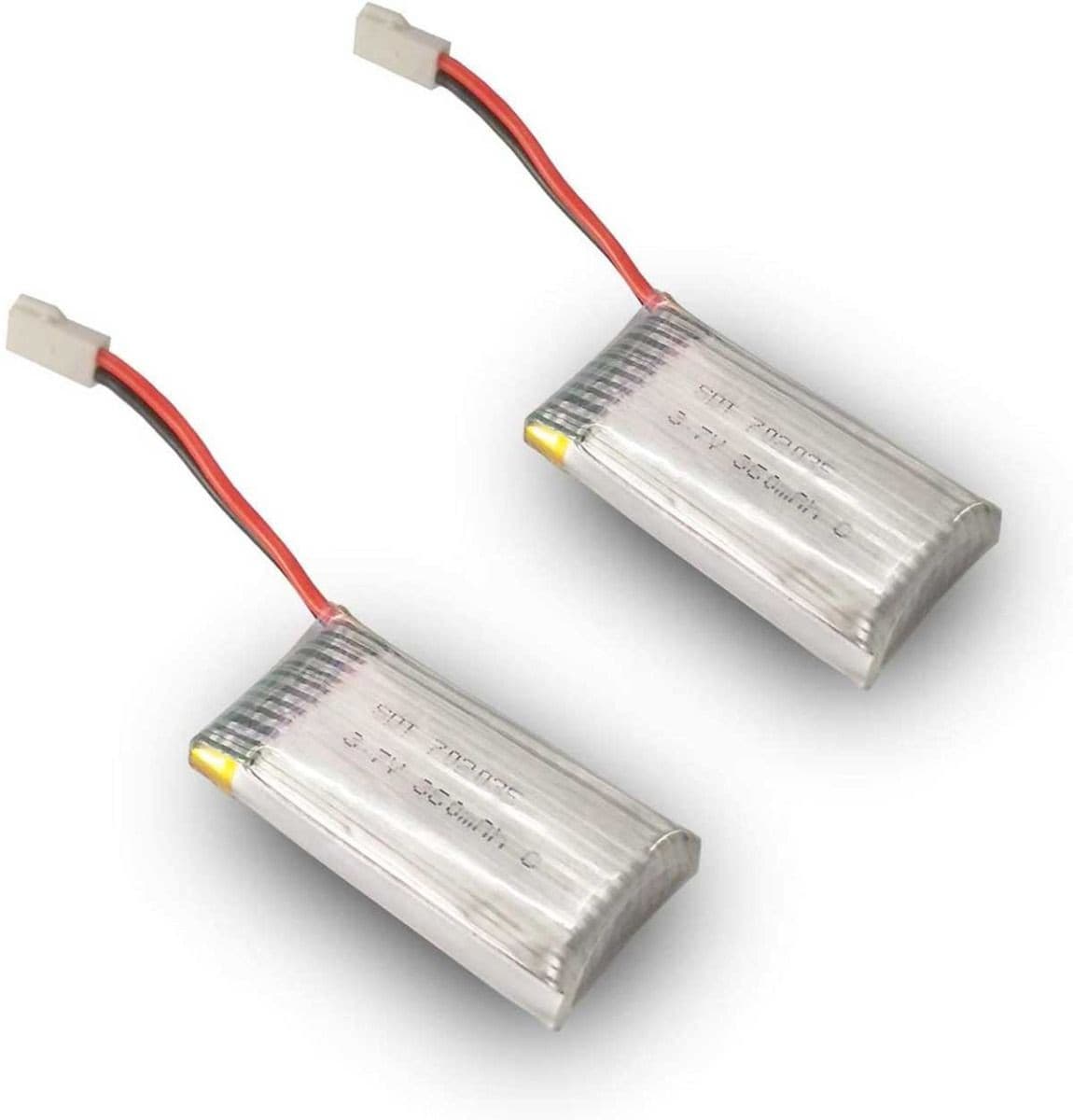
The type of battery you use significantly impacts its lifespan. Lithium Polymer (LiPo) batteries are popular among RC hobbyists due to their lightweight and high energy density.
However, they require careful handling to ensure longevity. Nickel Cadmium (NiCd) and Nickel Metal Hydride (NiMH) batteries are more robust but heavier, and they might not offer the same flight time as LiPo batteries.
Charge Cycles
Each battery has a limited number of charge cycles. The more you charge and discharge your battery, the shorter its lifespan becomes.
It’s like the human body; the more you push your limits, the quicker you wear out. Charging your battery correctly, using the correct charger, and avoiding overcharging can extend its life.
Usage Patterns
Your flying habits influence battery lifespan. Frequent high-speed flights drain batteries faster, while moderate-speed flights can help them last longer. Consider varying your flight style to see if your batteries last longer. It’s akin to how driving aggressively can burn fuel faster than cruising at a steady pace.
Storage Conditions
Proper storage can make a big difference. Batteries stored in extreme temperatures degrade quickly. Please keep them in a cool, dry place when not in use.
Have you ever left your phone in the sun, only to find the battery drained much faster? RC batteries react similarly to temperature extremes.
Maintenance Practices
Regular maintenance is key. Check your batteries for any physical damage or swelling. Clean the connectors to ensure optimal performance. It’s like keeping your car in good condition; regular check-ups prevent unexpected breakdowns.
Quality Of The Battery
Investing in high-quality batteries can be a game-changer. Cheaper batteries may cost less initially, but could require more frequent replacement. It’s worth considering whether spending a bit more upfront might save you money and hassle in the long run.
Environmental Factors
Where you fly your RC plane matters. Humidity, altitude, and air pressure can affect battery performance. Flying in a humid environment could shorten battery life, as moisture might seep into the battery casing.
User’s Experience And Handling
Your experience level plays a role, too. Beginners may inadvertently use batteries inefficiently, while seasoned pilots know how to squeeze out the maximum flight time. Reflect on your flying techniques and see where improvements can be made. Understanding these factors can help you make informed decisions about your RC plane batteries.
By paying attention to these aspects, you can prolong the life of your batteries and enjoy more flight time. What changes can you make to extend the lifespan of your RC plane batteries today?
Types Of RC Plane Batteries
RC plane batteries come in different types. Each type has unique characteristics. Choosing the correct battery is crucial for your plane’s performance. Understanding the differences helps in making an informed choice.
Lipo Batteries
LiPo batteries are popular among RC enthusiasts. They offer high energy density. This means more power in a smaller size. LiPo batteries are lightweight and efficient. They provide long flight times and high discharge rates. Careful handling is necessary to avoid damage.
Nimh Batteries
NiMH batteries are a common choice for beginners. They are safer than LiPo batteries. NiMH batteries are heavier and larger, but durable. They have moderate energy density. They are more affordable and easier to handle.
Li-ion Batteries
Li-Ion batteries are similar to LiPo batteries. They are stable and reliable. Li-Ion batteries offer a longer lifespan. They have a lower discharge rate compared to LiPo. Their energy density is suitable for long flights.
Nicd Batteries
NiCd batteries are the oldest type used in RC planes. They are robust and reliable. NiCd batteries can withstand rough use. They have a lower energy density than modern batteries. These batteries are not eco-friendly.
Understanding Battery Types
Understanding battery types is essential for optimal performance. Different batteries suit different needs. Consider flight duration and power requirements. Choose wisely for the best flying experience.
Proper Charging Techniques
Proper charging techniques can extend the life of RC plane batteries. Knowing how to charge them correctly is crucial. It prevents damage and ensures optimal performance. These techniques can seem simple, but make a big difference.
Charging RC plane batteries the right way can be easy. It involves understanding a few key points. Let’s delve into these techniques to help your batteries last longer.
Use The Right Charger
Using the correct charger is essential. Each battery type requires a specific charger. LiPo batteries need a charger with a balance function. NiMH batteries require a different kind. Using the wrong charger can damage your battery.
Avoid Overcharging
Overcharging can reduce battery life significantly. Continuously monitor the charging process. Use chargers with built-in timers or automatic shut-off features. This prevents overcharging and keeps your battery safe.
Charge At The Correct Rate
Charging at the correct rate is essential. Fast charging might save time, but can harm the battery. Always follow the recommended charging rate. It ensures the battery remains healthy and lasts longer.
Keep An Eye On the Temperature
Temperature affects battery charging. High temperatures can cause damage. Always charge your batteries in a cool, dry place. Avoid charging in direct sunlight or near heat sources.
Regularly Check Battery Condition
Regularly check your battery’s condition. Look for signs of swelling or damage. A damaged battery can be dangerous. Replace any battery that shows signs of wear or damage.

Credit: www.amazon.com
Storage Best Practices
RC plane batteries typically last between 10 and 15 minutes per flight, depending on usage and battery type. Proper storage extends battery life, ensuring optimal performance. Store in a cool, dry place and avoid overcharging to maximize longevity.
Proper storage of RC plane batteries is crucial for extending their lifespan and ensuring optimal performance. Neglecting these practices can lead to reduced battery efficiency and potential safety hazards.
Whether you’re a seasoned hobbyist or a beginner, knowing how to store your RC plane batteries correctly can save you time, money, and frustration in the long run.
Keep Batteries At The Right Temperature
Storing your RC plane batteries at the correct temperature is essential. Extreme temperatures, both hot and cold, can degrade battery performance. A
im for a cool, dry place, ideally around 15-25°C (59-77°F). Avoid direct sunlight or leaving them in a hot car.
Avoid Full Charges During Storage
Batteries should not be stored fully charged. A charge level of around 50-60% is optimal for long-term storage. This prevents the battery from stressing and helps maintain its capacity over time. Make it a habit to check your battery levels before putting them away.
Use A Battery Storage Container
Invest in a battery storage container to protect against accidental damage. These containers provide an extra layer of safety and organization. Fireproof bags or cases are excellent options to consider. They also help in case of any unforeseen battery malfunctions.
Regularly Inspect Your Batteries
Make it a routine to inspect your batteries for any signs of wear or damage. Look for swelling, leaks, or corrosion. If you spot any issues, it might be time to replace the battery. Safety should always be your top priority.
Consider A Battery Management System
A Battery Management System (BMS) can monitor the health of your batteries. It helps in balancing the charge and discharge cycles. Using a BMS ensures your battery is in good condition and can prevent potential failures. It’s a worthy investment for any RC plane enthusiast.
By following these storage best practices, you can prolong the life of your RC plane batteries and maintain their performance. Have you checked your batteries lately? It’s never too late to start implementing these practices.
Signs Of Battery Wear
Understanding the signs of battery wear is crucial for RC plane enthusiasts. It ensures your plane operates efficiently and safely. Recognizing these signs early can prevent unexpected mid-flight issues.
Regular monitoring helps maintain optimal performance and extends battery life. Below are key indicators of battery wear you should watch for.
1. Reduced Flight Time
Notice shorter flight durations with a fully charged battery? This is a sign of wear. Over time, batteries lose their ability to hold a charge. If your flights are consistently shorter, consider checking the battery’s health.
2. Slow Charging
Is your battery taking longer to charge than before? Slow charging indicates internal resistance build-up. This resistance affects the battery’s efficiency and can lead to further degradation.
3. Swollen Battery
A swollen battery is a serious concern. It indicates potential internal damage or overheating. Never ignore a swollen battery, as it poses safety risks. Always replace it promptly.
4. Inconsistent Power Output
Does your RC plane experience power fluctuations mid-flight? Inconsistent power output is a telltale sign. It suggests the battery can’t provide a steady voltage. This inconsistency can jeopardize flight stability.
5. Increased Heat Generation
Feel unusual warmth from the battery after use? Excessive heat generation points to inefficiency. It often stems from overuse or internal damage. Monitor the temperature to avoid overheating issues.
Maintenance Tips For Longevity
RC plane batteries typically last 10-15 minutes per flight. Proper care extends their lifespan significantly—store batteries in a cool, dry place. Charge them correctly to avoid overcharging. Regularly inspect for damage. Replace worn-out batteries promptly to ensure safety and performance.
Maintaining your RC plane batteries is crucial if you want them to last longer and perform better. Neglecting proper care can lead to decreased battery life and even unexpected crashes. By following a few simple tips, you can ensure your batteries stay in top condition, providing you with more flying time and less hassle.
Check Battery Voltage Regularly
Regular voltage checks can save you from surprises mid-flight. Use a voltmeter to measure your battery’s voltage before and after use. This helps you understand your battery’s health and avoid over-discharging.
Store Batteries Properly
Proper storage is key to longevity. Keep your batteries in a cool, dry place away from direct sunlight. Storing them at room temperature and about 50% charge can significantly extend their lifespan.
Balance Charge Your Batteries
Balance charging ensures all cells in the battery pack are equally charged. This prevents one cell from degrading faster than others. Use a balance charger to maintain your battery’s health and performance.
Avoid Overcharging And Over-discharging
Exceeding the recommended charge and discharge limits can damage your battery. Always use a charger that automatically stops when the battery is full. Ensure you land your RC plane before the battery is fully drained to avoid over-discharging.
Inspect For Physical Damage
Before each use, inspect your batteries for any signs of damage, such as swelling or leaks. Damaged batteries can be dangerous and should be disposed of properly. Regular inspections help prevent accidents and maintain safety.
Keep Your Batteries Clean
Dust and dirt can impact battery performance. Use a soft cloth to wipe down your batteries regularly. Keeping them clean ensures optimal connections and reduces the risk of short circuits.
Use A Battery Management System
A battery management system (BMS) can monitor the status of your batteries in real-time. It provides valuable insights into battery health, helping you make informed decisions. Investing in a BMS can be a game-changer for serious hobbyists. Have you ever thought about how much more fun flying could be if your battery lasted longer?
By implementing these maintenance tips, you can enjoy more time in the air and less time worrying about battery failure. So, take charge of your battery care and make your RC flying experience seamless and enjoyable.
Impact Of Flight Conditions
RC plane enthusiasts often wonder how long their batteries will last. Flight conditions play a crucial role in battery life. Understanding these conditions can help optimize your flying experience. Let’s explore how different factors can impact the longevity of your RC plane batteries.
Weather Conditions
Weather affects battery performance significantly. Cold temperatures drain batteries faster. Flying in strong winds demands more power. This leads to quicker battery depletion. Sunny days with mild breezes are ideal. They ensure longer flight times.
Flight Style
Your flying style impacts battery life. Aggressive maneuvers consume more energy. Smooth, steady flights use less power. Practice gentle flying techniques. This helps conserve battery life. Mastering control extends your flight duration.
Altitude Levels
Flying at higher altitudes affects battery drain. Higher altitudes require more energy. Engines work harder to maintain lift. Fly at moderate altitudes for better efficiency. Save energy by avoiding unnecessary climbs.
Load And Weight
Additional weight affects battery life. Heavier planes need more power to stay airborne. Remove unnecessary payloads. Keep your aircraft lightweight. This helps the battery last longer. Optimize your plane’s weight for extended flights.
Battery Care
Proper battery care enhances performance—store batteries at room temperature. Avoid overcharging or deep discharging. Regular maintenance ensures optimal battery health. Check battery condition before flights. A well-maintained battery lasts longer.
Credit: www.exhobby.com
Upgrading For Better Performance
RC plane batteries typically last 10 to 20 minutes per flight. Upgrading to higher-capacity batteries can extend this flight time. Proper charging and storage also help maintain battery life for consistent performance.
Upgrading your RC plane’s battery can significantly enhance performance, allowing for longer flights and more powerful maneuvers. But how do you know when it’s time to upgrade?
And what should you look for in a new battery? Understanding these aspects can make a big difference in your flying experience.
Understanding Battery Specifications
Before upgrading, familiarize yourself with battery specifications. Look for the voltage, capacity, and discharge rate. Higher voltage can boost speed, while increased capacity extends flight time.
But remember, a higher discharge rate means the battery can deliver more power quickly, which is crucial for acrobatic flying.
Choosing The Right Battery Type
Lithium Polymer (LiPo) batteries are popular for RC planes due to their lightweight and powerful performance. If you’re using older Nickel-Cadmium (NiCad) or Nickel-Metal Hydride (NiMH) batteries, consider switching to LiPo. This change can improve both flight time and power output, elevating your RC flying experience.
Evaluating Weight Vs. Performance
When upgrading, consider the weight of the new battery. A heavier battery might offer more power, but it can affect the plane’s balance and agility. Test different batteries to find the optimal balance for your specific model. Does the extra weight impact your flight style?
Compatibility Check
Ensure your plane’s electronics are compatible with the new battery. Check the connectors and verify the voltage range of your plane’s motor and ESC (Electronic Speed Controller). Upgrading components in harmony can prevent damage and improve overall performance.
Personal Experience With Upgrades
I once upgraded my RC plane’s battery without checking the weight difference. The plane struggled to maintain altitude, and I realized the added weight was the issue. By switching to a slightly lighter battery with a similar capacity, the aircraft performed better. Have you faced similar challenges when upgrading?
Budget Considerations
Battery upgrades can vary in price. Determine your budget, but don’t compromise on quality. Investing in a reputable brand can provide longevity and reliability. Is it worth saving a few dollars if it means risking your plane’s performance? Upgrading your RC plane battery can lead to longer, more exciting flights. By understanding battery specifications and ensuring compatibility, you can make informed choices that enhance your flying adventures. What improvements have you noticed after upgrading your battery?
Common Mistakes To Avoid
Flying RC planes is a fun and rewarding hobby. Yet, battery life can be a challenge. Many enthusiasts unknowingly shorten their battery lifespan. Avoiding common mistakes can help maximize flying time. Let’s explore some frequent errors.
1. Not Balancing The Batteries
Battery imbalance causes uneven wear. It reduces overall lifespan. Always use a balancing charger. This ensures each cell charges equally.
2. Overcharging The Batteries
Overcharging can damage the cells. It also poses safety risks. Use chargers with automatic shut-off features. They prevent overcharging and extend battery life.
3. Discharging The Batteries Too Much
Discharging below safe levels harms batteries. This reduces their efficiency. Always keep an eye on voltage levels. Stop flying when the battery gets low.
4. Storing Batteries Incorrectly
Proper storage is crucial. Avoid extreme temperatures. Store in cool, dry places. Charge them to storage voltage before putting them away.
5. Using Incompatible Chargers
Not all chargers fit all batteries. Using the wrong one can cause harm. Always match your charger to your battery type. Check compatibility before use.
6. Ignoring Battery Maintenance
Regular maintenance keeps batteries healthy. Check for swelling and damage. Clean the connectors regularly. Proper care prolongs battery life significantly.
7. Flying In Extreme Weather
Weather affects battery performance. Cold or hot conditions can drain power. Fly in moderate weather for best results. Protect your batteries from harsh elements.
Frequently Asked Questions about How Long Do Rc Plane Batteries Last
How Long Do RC Plane Batteries Typically Last?
RC plane batteries typically last between 10 and 20 minutes per flight. The duration depends on the battery type, capacity, and usage. High-performance RC planes may drain batteries faster. Proper maintenance and charging practices can extend battery life. Constantly monitor battery health for optimal performance and safety.
What Factors Affect RC Plane Battery Life?
Several factors affect RC plane battery life, including battery type, capacity, and usage. Flight conditions, such as wind and temperature, also play a role. Heavy throttle usage and aggressive flying can decrease battery life. Regular maintenance and proper storage can help maximize battery longevity.
How Can I Extend My RC Plane Battery Life?
To extend RC plane battery life, avoid over-discharging and overcharging. Store batteries at recommended temperatures and charge them using a quality charger. Balance charge LiPo batteries regularly and avoid storing them fully charged. Proper maintenance and mindful flying can significantly increase battery lifespan.
Are There Different Types Of RC Plane Batteries?
Yes, RC plane batteries come in various types, including LiPo, NiMH, and NiCd. LiPo batteries are popular due to their lightweight and high energy density. NiMH and NiCd are less ordinary but more durable. Each type has specific care and charging requirements for optimal performance and safety.
Conclusion
Understanding your RC plane battery life helps improve flying time. Regular checks and maintenance extend battery longevity. Always follow charging guidelines to avoid damage. Consider investing in quality batteries for better performance. Store them properly when not in use. A well-cared battery lasts longer, saving you money.
Keep an eye on flight duration to prevent overuse. This ensures safe and enjoyable flights every time. By knowing your battery’s limits, you can plan better. Happy flying with your RC plane!