How Many Channels Needed for Rc Plane: Essential Guide
Imagine the thrill of soaring through the sky with your very own remote control (RC) plane. Whether you’re a hobbyist or a beginner eager to take flight, understanding the technical aspects of your RC plane is crucial.
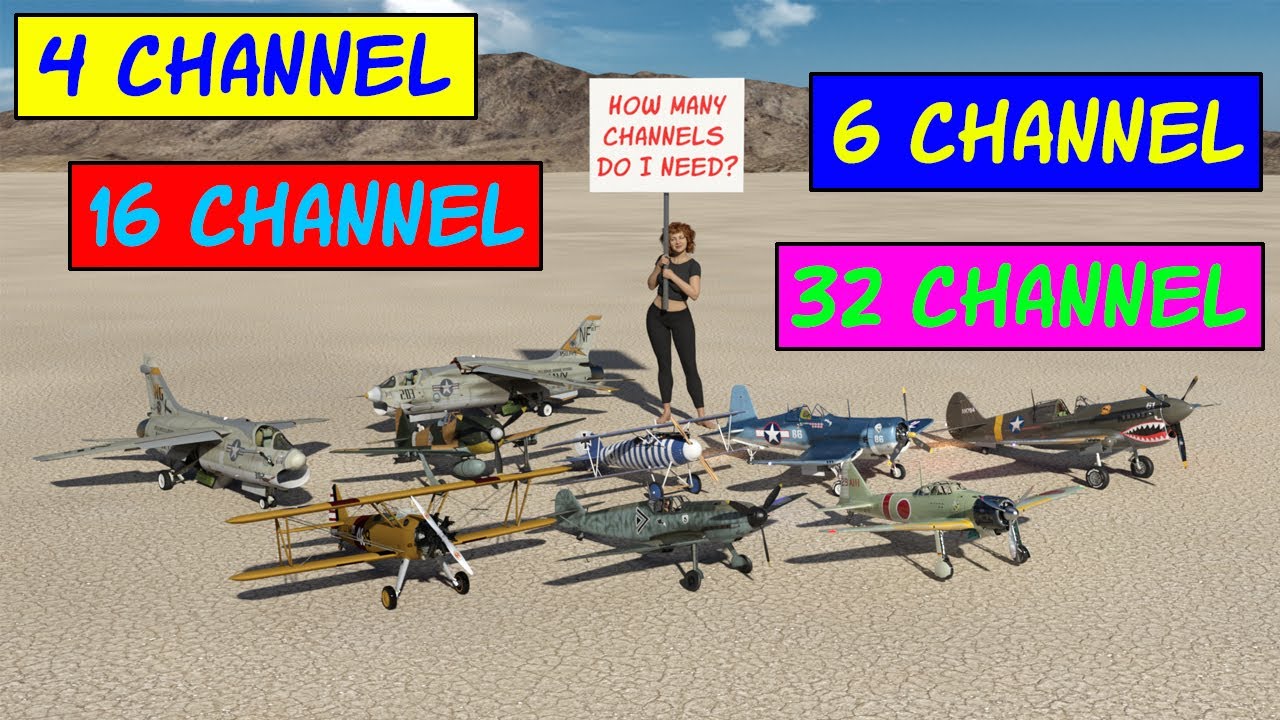
One question that often comes up is: How many channels do you need for your RC plane? The number of channels directly affects your flying experience and the plane’s capabilities. You’ll discover exactly what channels are, why they matter, and how to choose the right number for your specific needs.
This knowledge will empower you to make informed decisions, ensuring that your RC flying adventures are both exciting and successful. Ready to dive in and elevate your RC flying game? Let’s get started!
Basics Of Rc Plane Channels
Understanding the basics of RC plane channels is crucial for beginners. RC planes have different channels, each controlling a specific function. The number of channels impacts the plane’s maneuverability and performance. More channels offer greater control, enhancing the flying experience.
What Are Rc Plane Channels?
RC plane channels refer to control functions managed by the transmitter. Each channel corresponds to a specific movement or action of the plane. Commonly, planes have between three to six channels.
Understanding Basic Channel Functions
Every channel controls a different aspect of the RC plane. The throttle channel manages the plane’s speed. The ailerons control the roll of the plane. The elevator channel adjusts the pitch, and the rudder controls yaw.
Three-channel Rc Planes
Three-channel planes suit beginners. They usually have throttle, rudder, and elevator control. This setup simplifies flying for new pilots.
Four-channel Rc Planes
Four-channel planes add aileron control. This offers better maneuverability and precision. Ideal for those advancing their flying skills.
Advanced Channel Configurations
Some enthusiasts use planes with five or more channels. These may include flaps or retractable landing gear. Such configurations allow for more complex maneuvers.
Choosing The Right Number Of Channels
Beginners should start with fewer channels. It simplifies learning and control. As skills improve, pilots can explore more channels.
Understanding Channel Functions
Understanding channel functions is crucial for anyone interested in RC planes. Channels on an RC transmitter control different aspects of the plane’s movement. Knowing how many channels you need helps in choosing the right equipment for your flying style.
Understanding Basic Channels
Basic channels include throttle, rudder, elevator, and ailerons. The throttle controls speed. The rudder manages left and right turns. The elevator adjusts altitude by controlling the pitch. Ailerons help with rolling and banking turns.
Additional Channels For Advanced Control
Some models require additional channels. These include flaps and retracts. Flaps help in smooth landings and takeoffs. Retracts control landing gear for smoother flights.
Special Features Channels
Special features may need extra channels. These include bomb drops or camera controls. They add fun and functionality to flying.
Choosing The Right Number Of Channels
Beginner planes need fewer channels. Advanced planes require more for complex maneuvers. Match your skill level with your plane’s channel needs.
Balancing Complexity And Control
Too many channels can overwhelm beginners. Balance complexity with control. Start simple, then advance as skills improve.
Single-channel Rc Planes
Single-channel RC planes need just one control for basic flight. Most RC planes use 2-4 channels to manage different functions like throttle, rudder, and elevator. Beginners often start with fewer channels for easier handling.
Single-channel RC planes are a fantastic starting point for anyone new to the world of remote-controlled aviation. They offer simplicity and ease of use, making them ideal for beginners. If you’re curious about the mechanics and want to test the waters of RC flying, single-channel planes could be your best bet. But how do they really work, and what should you know before getting started?
Understanding Single-channel Control
Single-channel RC planes operate on a basic principle: controlling just one function, typically the rudder. This means you can steer the plane left or right, which is perfect for learning how to manage direction without overwhelming complexity. Think back to the first time you rode a bike. You probably focused on steering and balance before worrying about speed or gears. Single-channel planes offer that same simplicity, allowing you to master the basics of flight.
Why Choose A Single-channel Rc Plane?
Choosing a single-channel plane can be a wise decision if you’re just starting out. These planes are generally more affordable and straightforward to operate. You can focus on learning flight dynamics without the stress of managing multiple controls. Consider this: would you prefer a simple, less stressful learning experience, or jumping straight into complicated maneuvers? For many, starting simple leads to a more enjoyable and rewarding hobby.
Features To Look For
When selecting a single-channel RC plane, look for models that are durable and lightweight. Materials like foam can handle crashes better than heavier alternatives. Also, check if the plane has a decent battery life for longer flight sessions. A quick tip: check online reviews and forums to see what other beginners recommend. You might find some hidden gems or valuable insights from those who have already taken the plunge.
Getting The Most Out Of Your Single-channel Experience
Make the most of your single-channel plane by practicing regularly and experimenting with different conditions. Try flying in open spaces with minimal wind to gain confidence. As you become more comfortable, you’ll naturally start craving more features, which is when you might consider upgrading to a multi-channel plane. Are you ready to take the first step into the world of RC planes? Starting with a single-channel model could be the perfect way to ignite a passion for flying. What’s holding you back from taking off on this exciting journey?

Credit: www.exhobby.com
Two-channel Models
Two-channel models are perfect for beginners. They offer basic control and simplicity. These models are great for learning the fundamentals of RC flying. You focus on essential flying skills without overwhelming complexity. Two-channel models typically control the throttle and steering. This makes them easy to operate and understand.
Throttle Control
The throttle determines the speed of the RC plane. Mastering throttle control is crucial for smooth flights. It helps in taking off and landing safely. Beginners can practice adjusting speed with ease. This builds confidence for more advanced flying later.
Steering Control
Steering controls the direction of the plane. You can turn left or right while flying. This basic steering aids in navigating the skies. Simple turns teach beginners how to maneuver effectively. It’s an essential skill for all RC pilots.
Learning Curve
Two-channel models have a gentle learning curve. They reduce the complexity of RC flying. This allows newcomers to focus on basic controls. It’s a stepping stone to more advanced models. Beginners gain foundational skills crucial for future upgrades.
Cost-effective Option
These models are often budget-friendly. They offer a cost-effective entry into RC flying. Beginners can enjoy flying without heavy investments. It’s a practical choice for hobbyists starting out. Affordable yet fun, these models offer great value.
Durability
Two-channel planes are usually durable. They withstand beginner mishaps and crashes. Robust designs ensure longer-lasting enjoyment. Beginners can learn without fear of damage. These planes are built for many flights and adventures.
Three-channel Options
Understanding the number of channels needed for an RC plane is crucial. It affects the plane’s performance and your flying experience. Beginners often start with three-channel options. These provide a balance of control and simplicity. They allow you to master basic flying skills. Let’s explore the essential features of three-channel RC planes.
Understanding Three-channel Rc Planes
A three-channel RC plane uses three controls. These are throttle, rudder, and elevator. Throttle controls the speed of the plane. Rudder manages the left and right turns. Elevator adjusts the plane’s pitch. With three channels, you have basic, yet effective control. It’s perfect for beginners wanting to learn flying.
Benefits Of Three-channel Planes
Three-channel planes are less complex. They offer ease of use for new pilots. Fewer controls mean less confusion during flight. You can focus on mastering fundamental skills. These planes often have less weight. That makes them easier to handle and more forgiving of errors.
Choosing The Right Three-channel Plane
Selecting the right plane is crucial. Consider the type of flying surface. Choose a plane designed for your environment. Indoor and outdoor models differ. Check the material and durability. Lightweight materials improve performance. Ensure the plane fits your skill level. Some models are more beginner-friendly.
Three-channel Rc Plane Recommendations
Many manufacturers offer great three-channel options. Brands like HobbyZone and E-flite are popular. Each offers models with beginner-friendly features. Look for planes with durable materials. Easy assembly is also a plus. Reading reviews can help you decide. Choose a plane with good customer feedback.
Four-channel Configurations
Four-channel configurations are popular among RC plane enthusiasts. They offer more control and maneuverability. This setup includes control for throttle, ailerons, elevator, and rudder. Each function plays a crucial role in flying an RC plane smoothly and efficiently. Understanding these controls can enhance your flying experience.
Throttle Control
Throttle control adjusts the plane’s speed. Increasing throttle propels the plane forward. Decreasing it slows down the plane. It is essential for takeoff and landing.
Ailerons For Roll
Ailerons manage the roll of the plane. They are located on the wings. Moving them up or down tilts the plane’s wings. This helps in turning the plane left or right.
Elevator For Pitch
The elevator controls the pitch of the plane. It is located at the tail. Moving the elevator up makes the plane climb. Moving it down makes the plane descend.
Rudder For Yaw
The rudder controls the yaw movement. It is also located at the tail. The rudder steers the plane left or right. It is crucial for making smooth turns.
Advanced Channel Systems
Advanced channel systems in RC planes enhance control and precision. These systems use multiple channels to manage different functions. Pilots can perform complex maneuvers with ease. Understanding these systems is key for advanced flying.
What Are Advanced Channel Systems?
Advanced channel systems go beyond basic controls. They allow pilots to control various aspects of the plane. Each channel corresponds to a specific function. This includes throttle, rudder, and ailerons. More channels mean more control options.
Benefits Of Multi-channel Systems
Multi-channel systems provide greater flight precision. They enable detailed control over each plane movement. Pilots can achieve smoother turns and accurate landings. Each channel adds a layer of control.
Typical Channel Configurations
Advanced RC planes often use six or more channels. Standard channels cover basic functions. Additional channels manage lights or cameras. This configuration allows for diverse flying experiences.
Choosing The Right Channel System
Choosing the right system depends on your flying goals. Beginners may start with fewer channels. Advanced pilots benefit from more channels. Consider your skill level and plane type before deciding.

Credit: www.reddit.com
Choosing The Right Channel Count
Choosing the right channel count for your RC plane is crucial. It determines how much control you have over your aircraft. Different planes require different channels for optimal performance. Understanding the basics helps you make an informed decision. Below, we explore essential factors to consider.
Understanding Channels
RC channels control various functions of your plane. Each channel corresponds to a specific action. For instance, throttle, rudder, and ailerons each need a channel. More channels mean greater control.
Basic Channel Requirements
Beginner planes typically need fewer channels. A basic trainer might need just 3 or 4. These cover throttle, rudder, and elevator functions. Ideal for learning the basics of flight.
Intermediate And Advanced Needs
As skills improve, more channels become essential. Intermediate planes often use 5 or 6 channels. Advanced models can require 7 or more. They support complex maneuvers and added features.
Considering Plane Complexity
Complex planes need more channels for additional functions. Retractable landing gear and flaps require extra channels. Understand your plane’s complexity to choose wisely.
Future-proofing Your Setup
Consider future needs when choosing channels. More channels allow room to grow. They support future upgrades and modifications. Investing now can save you later.
Budget Considerations
More channels often mean higher costs. Balance your budget with your needs. Ensure you get the best value for your investment. Choose wisely based on your current and future plans.
Common Mistakes To Avoid
Flying an RC plane is thrilling. But beginners often make mistakes with channels. Knowing the right number of channels is crucial for smooth flying. Let’s explore some common mistakes to avoid.
1. Overlooking the Plane’s Requirements
Each RC plane has unique channel needs. Some planes need only three channels. Others require more for advanced maneuvers. Always check your plane’s manual. Ensure you understand its specific channel requirements. Ignoring this can lead to poor performance.
2. Choosing Too Few Channels
Beginners often choose fewer channels. It limits the plane’s capabilities. Basic planes might work with three channels. But advanced planes need four or more. Consider your plane’s features. Select the appropriate number of channels.
3. Ignoring Future Upgrades
Think ahead. You might upgrade your plane later. Choose a transmitter with more channels. This way, future upgrades won’t require new equipment. It saves money and time.
4. Not Understanding Channel Functions
Each channel has a specific function. They control different parts of the plane. Know what each channel does. It helps in troubleshooting and flying efficiently.
5. Neglecting Receiver Compatibility
Your receiver must match the transmitter’s channels. Mismatched channels can cause errors. Always ensure compatibility. Double-check before flying.
6. Skipping Practice
Practice is essential. Learn to manage all channels effectively. Spend time on simulators. They help in mastering channel control without risking damage.

Credit: www.exhobby.com
Frequently Asked Questions
How Many Channels Does An Rc Plane Need?
An RC plane typically requires at least 3 to 4 channels. These channels control throttle, rudder, elevator, and ailerons. More advanced models might use additional channels for flaps or landing gear. Beginners should start with fewer channels for ease of control.
Why Are More Channels Better For Rc Planes?
More channels offer greater control and maneuverability. They allow the pilot to operate additional features like flaps, landing gear, or lights. This enhances the flying experience and allows for more complex maneuvers. However, more channels can be challenging for beginners.
Can A Beginner Start With A 6-channel Rc Plane?
Beginners can start with a 6-channel RC plane, but it might be overwhelming. A 4-channel plane is often recommended. It provides basic controls without complexity. As skills improve, transitioning to a 6-channel plane can enhance the flying experience.
What Happens With Fewer Rc Plane Channels?
With fewer channels, the plane has limited control. Basic maneuvers like turning and climbing are possible. However, advanced features like flaps or retractable landing gear aren’t available. Beginners benefit from simpler controls, reducing the risk of crashes.
Conclusion
Choosing channels for your RC plane depends on its features. Basic planes need three channels for control. More complex models require four or more channels. This allows better maneuvering and performance. Remember, more channels mean more control. But they also add complexity.
For beginners, fewer channels are easier to manage. Advanced pilots prefer more channels for precise flying. Evaluate your skill level and plane type. This helps in deciding the right number of channels. Always consider your goals and flying style. Happy flying!